
Newly installed LED technology can look spectacular in the first few minutes: vibrant color, strong contrast, and immediate visual impact. The real test begins after hours of continuous operation, when flicker, signal drops, brightness inconsistencies, or failed modules can expose weaknesses that a short demo never reveals.
Reliable LED video walls depend on more than image quality. Long-term stability comes from three hardware systems working together: the display surface, the signal and control infrastructure, and the structural and power architecture.
This guide looks beyond size, resolution, and upfront price. Understanding these three systems helps buyers evaluate the full installation, reduce avoidable downtime, and protect performance over the life of the equipment.
Why LED Display Stability Goes Beyond Image Quality
When a Great First Impression Is Not Enough
A viewer rarely thinks about what is happening behind custom LED displays when everything works correctly. A bright image may create an excellent first impression, but a few minutes of flawless playback cannot prove long-term reliability.
Real-world use is more demanding. Long operating hours, dynamic content, changing ambient light, and high-traffic environments all stress professional LED displays. Consistent performance under those conditions matters more than showroom impact alone.
The Cost of an Unstable Display
Choosing LED screens primarily by price or resolution can create expensive problems later. Signal interruptions, uneven brightness, color shifts, frequent repairs, and unplanned downtime can affect live events, corporate presentations, broadcasts, retail environments, and other customer-facing applications.
These failures do more than interrupt content. They can shorten component life, increase service costs, and create a poor impression for clients or audiences. Well-engineered LED panels are designed to reduce these risks. Stability is therefore both a technical requirement and a business consideration.
Three Systems Working as One
No professional installation operates as a collection of isolated parts. Stable LED walls rely on three coordinated systems:
- Display system: cabinets, modules, and protective hardware that form the visual surface.
- Control and processing system: processors, sending and receiving cards, cabling, and software that distribute and synchronize the signal.
- Structural and power system: mounting, power distribution, ventilation, and service access that keep the installation secure and maintainable.
System One: The LED Screen Architecture
Building a Consistent Visual Surface
The first system is the visible surface, built from cabinets, modules, and internal electronics. LED display panels should not be judged only by specification sheets. Their real quality is visible in alignment, uniformity, and consistency across the complete image.
Well-built LED panels create a seamless canvas with minimal visible gaps, balanced color, and consistent brightness from section to section. Precise cabinet tolerances and reliable components help preserve that uniform appearance over time.
Performance Under Real Viewing Conditions
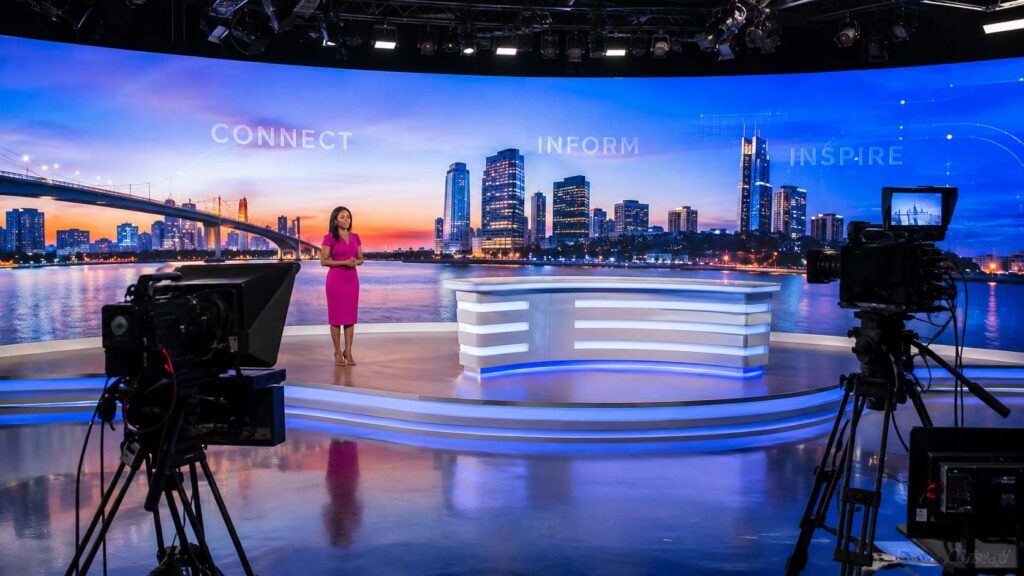
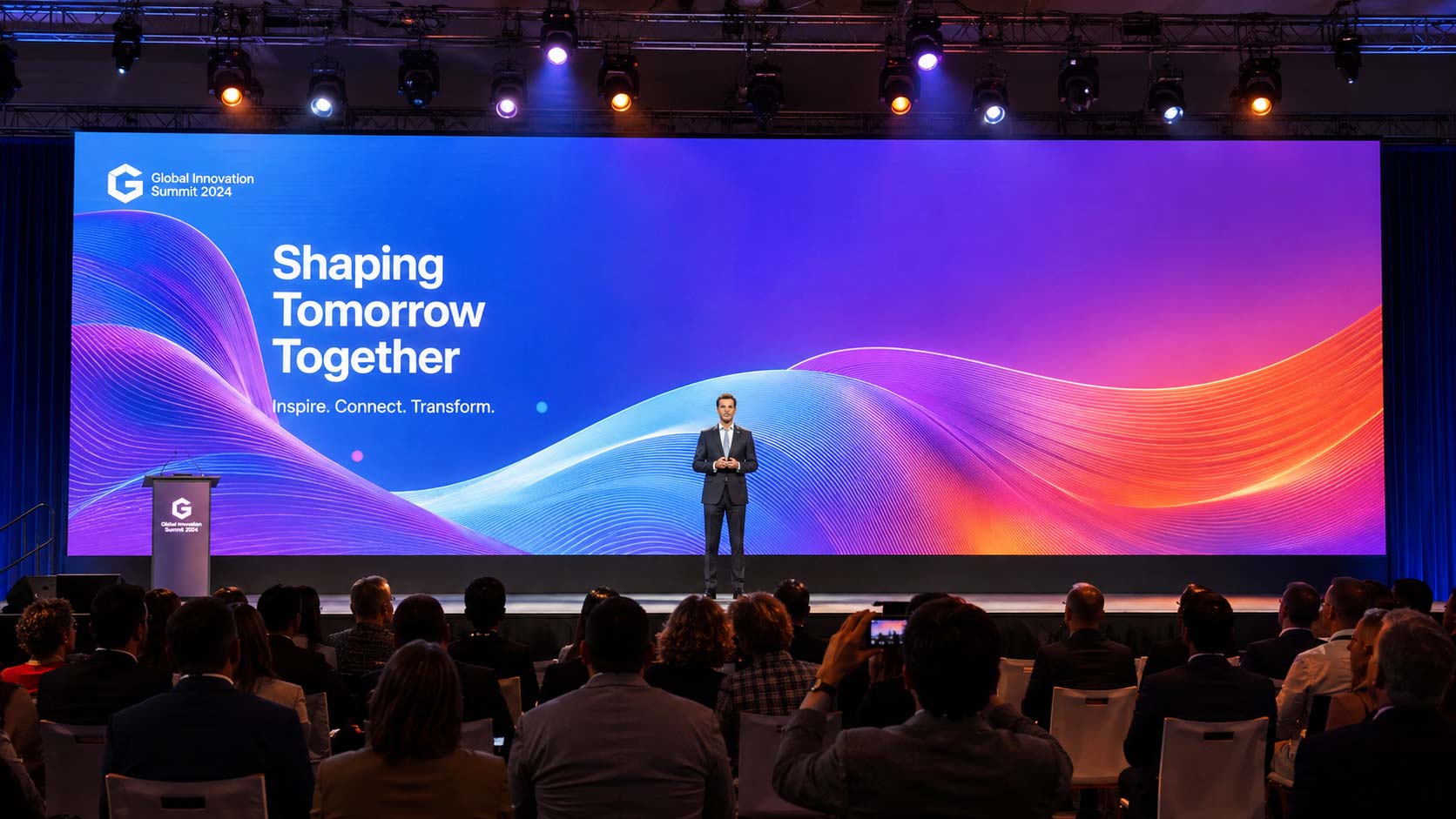
For example, professional LED displays for TV studios must perform consistently in the environment where they will actually be used. Automatic or carefully configured brightness control can prevent the image from appearing too dim in bright conditions or excessively intense in darker rooms. The goal is visibility without sacrificing viewer comfort.
Refresh rate is equally important, especially for cameras. In many professional applications, 3,840 Hz or higher helps reduce visible flicker during photography and video capture while supporting smoother motion. This becomes especially valuable in broadcast, event, and content-production environments.
A wide viewing angle also helps maintain consistent color and brightness for people seated away from the center. Good visual performance should extend across the audience, not just to the best seat in the room.
Protection That Matches the Environment
Durability must match the installation environment. The IP rating indicates resistance to solids and water, so the correct rating should be selected according to actual exposure rather than as a marketing number.
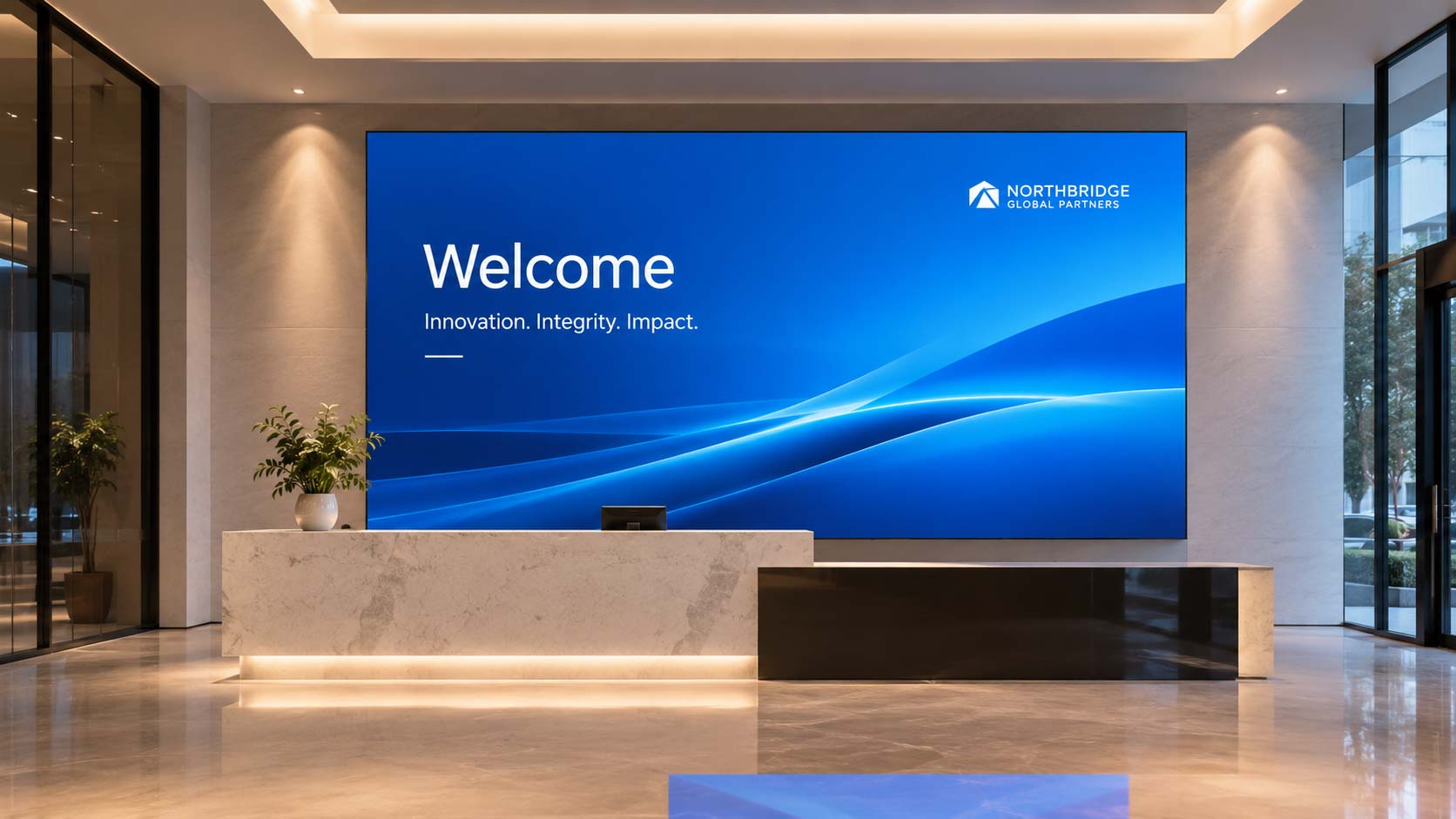
Indoor LED screens in controlled spaces may require less environmental protection than outdoor systems. In commercial interiors, auditoriums, boardrooms, or studios, the enclosure should still protect internal components from routine contact, debris, and incidental moisture appropriate to the installation.
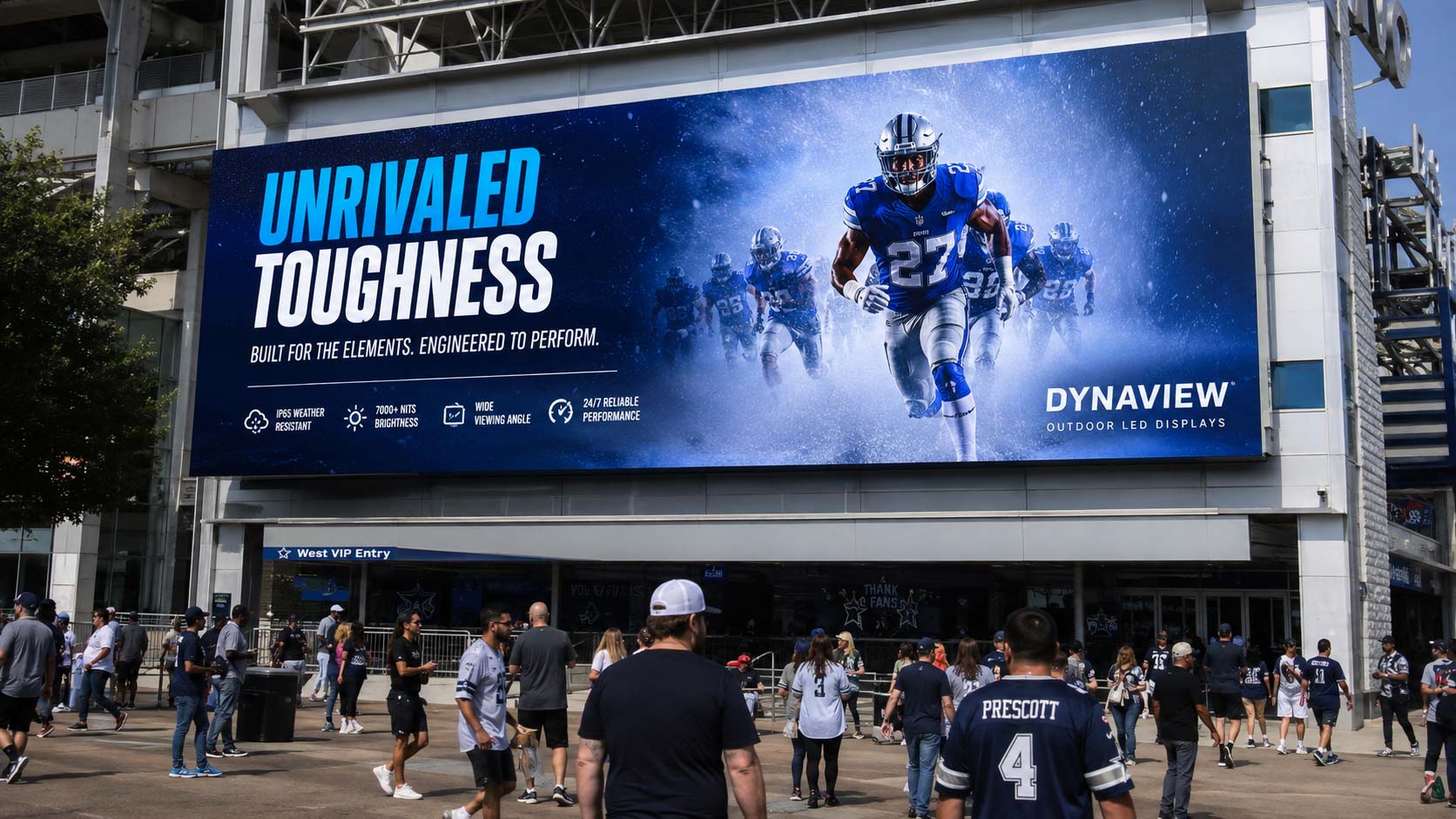
Outdoor LED video walls require stronger protection against rain, dust, and changing weather conditions, and exposed LED display panels should be specified accordingly. Ratings such as IP65 are commonly used for outdoor applications. Proper environmental protection helps reduce corrosion, electrical problems, and premature component failure.
System Two: The Signal and Control Infrastructure
From Content Source to LED Screen
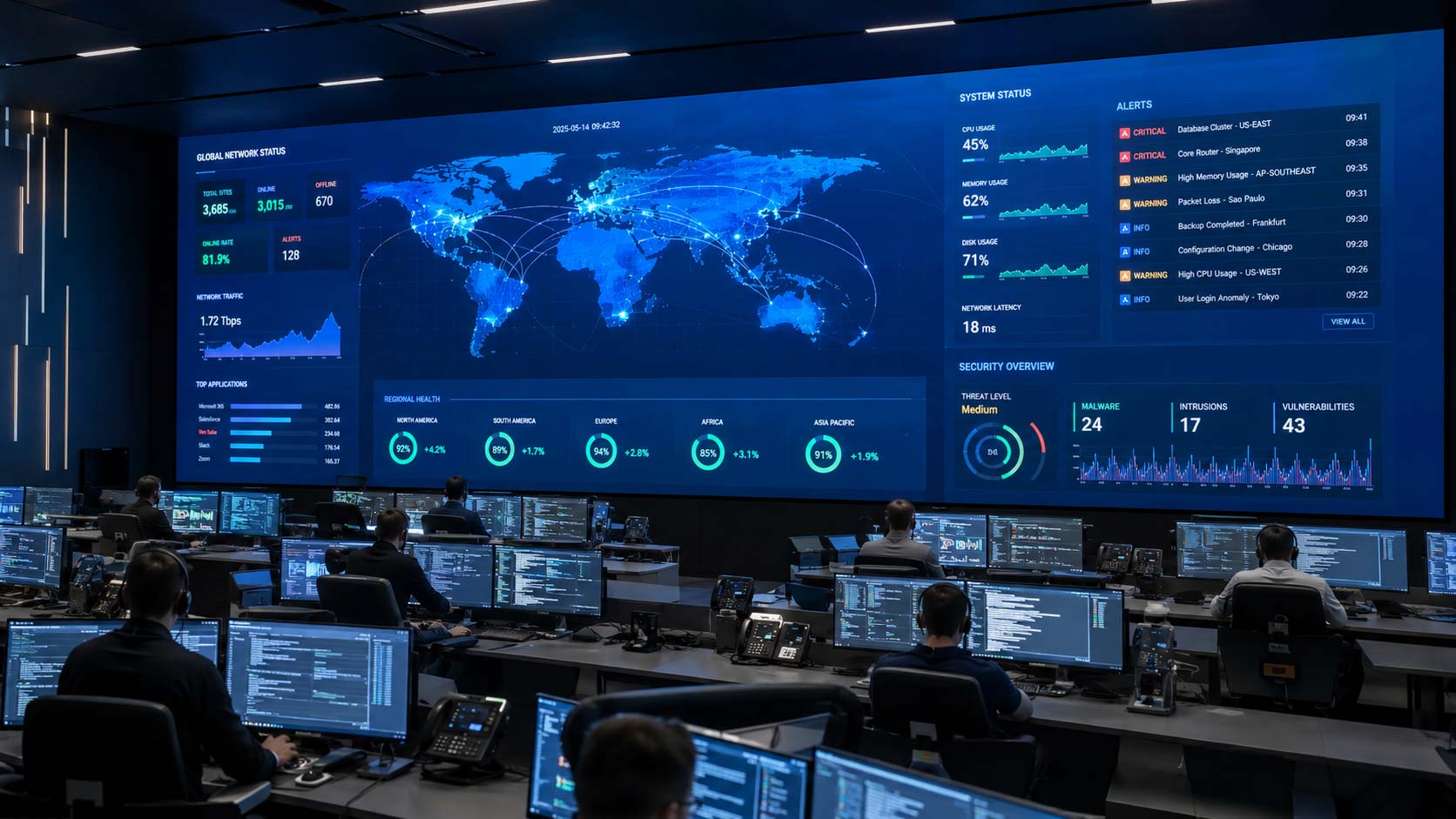
The control system determines how content moves from a source to the visual surface. Its job is to process, distribute, and synchronize data accurately and with minimal delay.
A video processor receives content from computers, cameras, media players, or other sources and scales or adjusts it to the required canvas. The sending hardware then packages that signal for transmission, while receiving cards inside the cabinets distribute data to the individual modules. Each stage must remain synchronized for stable playback.
Control software allows operators to map pixels, manage brightness and color, configure redundancy, and monitor system status. Platforms such as NovaStar combine processing hardware and software tools for professional installations. The value of the platform lies in reliable signal management, not simply in the brand name.
Choosing the Right Playback Workflow
The right control workflow depends on how LED walls for sports and entertainment will be used. Synchronous systems mirror a live source in real time, making them well suited to concerts, control rooms, broadcasts, and events where low latency and immediate content changes are essential.
Asynchronous systems store and play scheduled content without requiring a continuously connected computer. They are often used for signage, marquees, information displays, and other applications where reliable scheduled playback matters more than live switching.
Neither approach is universally better. The strongest system is the one designed around the actual operating workflow.
Connecting Today’s Content Ecosystem
Modern LED technology must integrate with the surrounding production environment. A stable system should support the sources, formats, and control methods the venue uses every day.
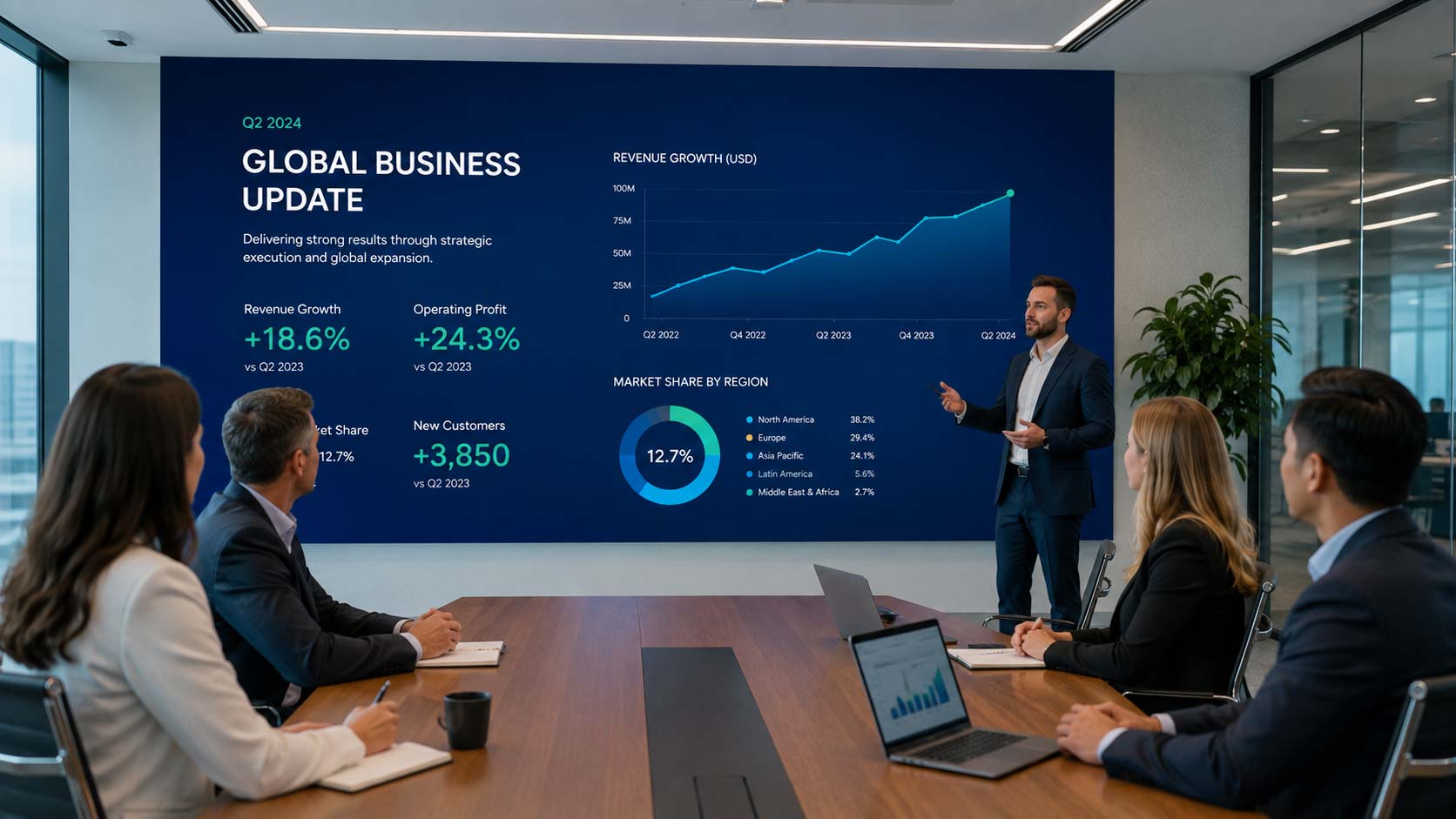
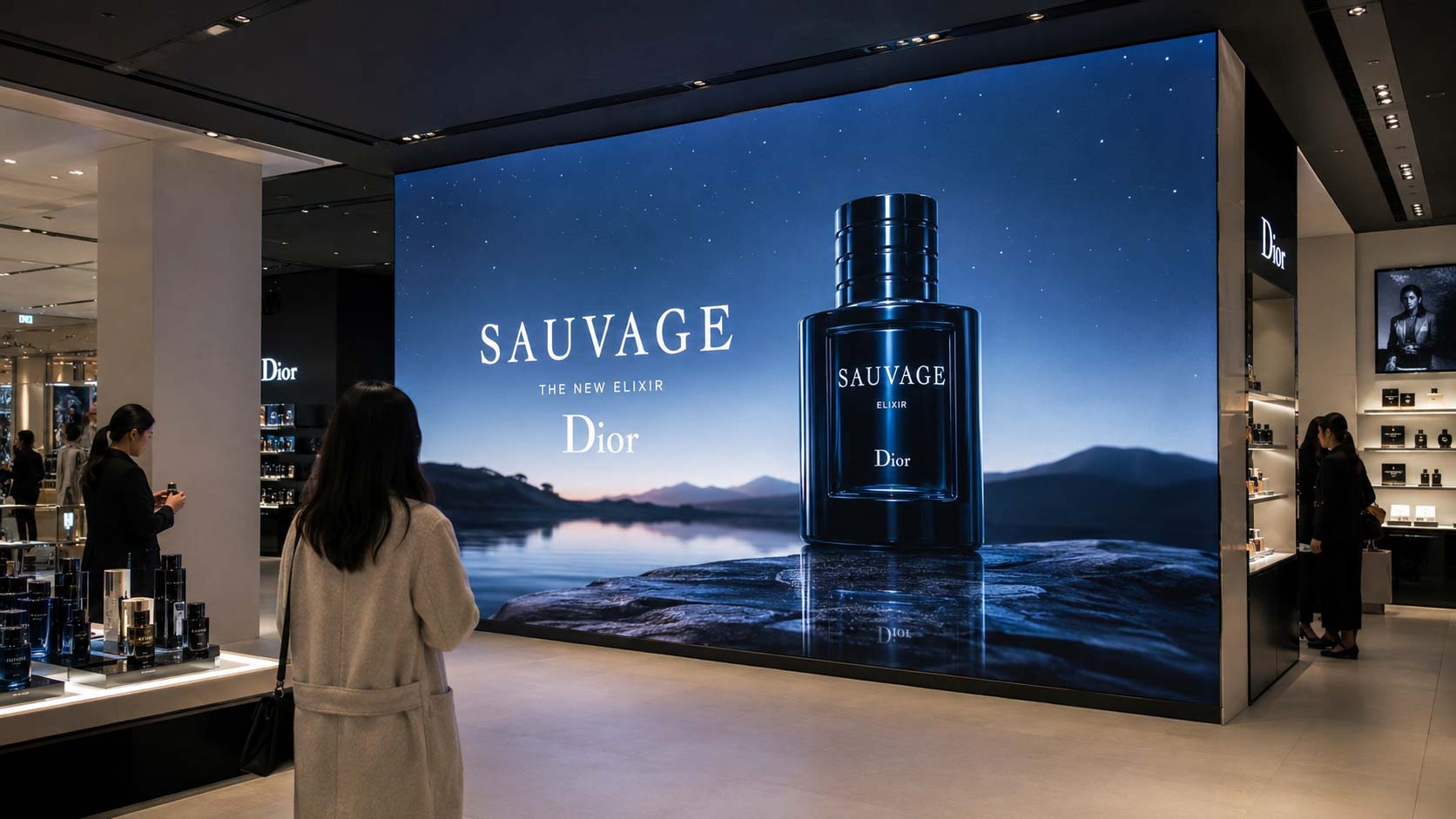
That may include HDMI or SDI feeds from cameras and broadcast equipment, computers and media players for presentations, CMS platforms for digital signage, or synchronized audio and lighting systems for live production. Corporate environments may also require smooth switching between laptops, conferencing systems, and remote video feeds. Good integration keeps LED screens easier to operate across changing workflows.
Flexible connectivity reduces unnecessary adapters, conversion points, and troubleshooting. The fewer weak links in the signal path, the easier the system is to operate and support.
System Three: The Structural and Service Design
Stability Starts Behind the Screen
Audiences see the image, but the structure behind LED video walls determines alignment, safety, airflow, and serviceability. A strong mounting system protects both visual performance and the physical investment.
Floor-mounted systems are useful for temporary events, touring productions, and stages where the installation must remain self-supporting. Wall-mounted systems are common in lobbies, retail spaces, control rooms, and houses of worship where space efficiency and a clean finish are priorities.
Suspended systems are often used in auditoriums, stadiums, and convention venues where equipment must be flown from truss or engineered overhead structures. The mounting method should always reflect load requirements, venue conditions, and access needs.
Designing for Fast Maintenance
Even high-quality LED devices need periodic inspection and occasional component replacement. Service access can determine whether maintenance takes minutes or becomes a major operational interruption.
Front-service LED display panels allow modules and internal components to be accessed from the viewing side, making them useful when the installation sits close to a wall or inside a recessed structure. This design can eliminate the need for a rear service corridor.
Rear-service LED panels are better suited to installations with a dedicated service corridor or sufficient space behind the system. Choosing the correct access method during design can significantly reduce future labor and downtime.
Installation Is Part of the Hardware Strategy
Mounting should never be treated as an afterthought. Even premium LED screens can show visible seams or alignment problems if the supporting frame flexes, shifts, or is installed unevenly. A few millimeters of structural error can become obvious across a large canvas.
Poor structural design can also restrict airflow or make power supplies and receiving hardware difficult to reach. Quality LED panels still depend on a properly engineered support system. Planning the frame, ventilation, cabling, and service access together creates a safer and more maintainable installation.
How to Evaluate a Stable LED Panel Investment
Compare Complete Systems, Not Isolated Specifications
Pixel pitch, brightness, and resolution matter, but they do not tell the whole story. Two sets of LED display panels can look similar on paper and perform very differently once installed. The difference is often found in engineering quality, integration, and long-term support.
When comparing LED solutions, evaluate the full system:
- Cabinet construction and protection: rigidity, alignment, finish, and the appropriate environmental rating.
- Real-world image performance: contrast, refresh rate, viewing angle, and consistency under expected lighting.
- Control compatibility: reliable processing of the required sources and formats.
- Mounting design: structural rigidity, safety, ventilation, and long-term alignment.
- Service access: practical front or rear maintenance.
- Support and spare parts: access to compatible components and knowledgeable technical assistance.
A complete evaluation reduces the risk of buying impressive specifications attached to an under-engineered system.
Plan for the Next Five Years
LED walls are long-term assets, so buyers should consider how the equipment will perform several years after installation. As LED displays age, content formats, source equipment, and operating demands can change, while certain components will naturally require service. A good system should be designed to accommodate those realities.
For LED walls, a five-year warranty can add meaningful protection, but coverage is only part of the equation. Documentation, responsive support, compatible spare parts, and modular serviceability are equally important. The best warranty is one backed by an organization that can actually help keep the system running.
Stability Creates Better Long-Term ROI
Stable LED video walls create value by reducing downtime, simplifying maintenance, and allowing content to run confidently across events, presentations, broadcasts, and commercial campaigns. Reliability turns the display from a visual purchase into a dependable business asset.
Long-term performance depends on how the visual surface, control infrastructure, and structural design work together. At Mirackle, we approach LED solutions as complete systems, combining professional hardware, advanced control, flexible installation options, and long-term technical support. The objective is simple: dependable performance today and easier ownership over time.
Because for LED video walls, success isn’t judged the day they turn on. It’s judged every day they keep performing without becoming a problem.