
Common Cathode LED Displays: Why Manufacturers Are Prioritizing Energy Efficiency
In the digital signage industry, many buyers still evaluate LED video walls based only on pixel pitch, brightness, or upfront price. But one factor often appears later, when the first utility bill arrives: energy consumption. That is why common cathode technology is gaining attention. This architecture controls the voltage for red, green, and blue diodes more precisely, reducing wasted energy and limiting excess heat.
For manufacturers, the advantage is clear: a more efficient panel is often a more reliable panel. Lower operating temperatures help reduce thermal stress, protect internal components, and support a longer service life. For businesses investing in LED walls, energy efficiency is not just a technical benefit; it is a smarter way to improve long-term ROI.

Why Common Cathode Technology Is Gaining Attention in LED Manufacturing
A Smarter Way to Power LED Displays
Traditional LED screens typically use a common anode structure, supplying the same voltage across all diodes and losing part of that energy as heat. Common cathode technology uses more precise power distribution, sending optimized voltage to each color channel separately. This helps the cabinet run cooler, improves stability, and supports more consistent performance over time.
From High Brightness to High Efficiency
For years, the industry focused heavily on brightness, pixel pitch, and resolution. Today, leading manufacturers are looking at the full picture: visual quality, durability, refresh rate, and operating cost. Features such as auto-adjustable brightness also help LED display panels respond to ambient light in real time, maintaining visibility while reducing unnecessary power use.
Why Energy Efficiency Is Relevant for Large-Scale Installations
In large-scale projects, efficiency is no longer a minor technical detail. It becomes a financial and operational priority, especially in environments where LED screens run for long hours every day:
Airports and terminals, where signage must remain clear and dependable 24/7.
Shopping centers and retail spaces, where multiple LED panels compete for attention and add heat to the environment.
Stadiums and exterior facades, where powering big LED display panels can significantly affect operating costs.
Auditoriums and churches, where systems need stable performance during live events.
For these installations, efficient engineering can reduce the need for external cooling, improve signal stability, and make LED solutions more practical for long-term use.
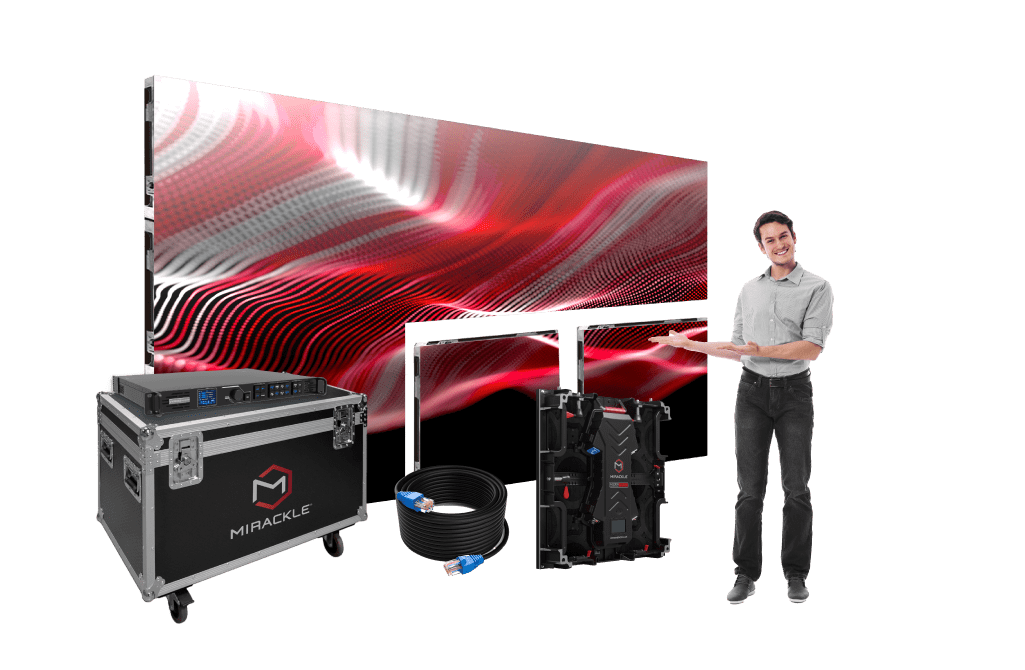
How Energy-Efficient Manufacturing Changes Long-Term Performance
Lower Heat, Better Stability
Heat is one of the biggest threats to electronic performance. In large-format visual systems, excessive temperature can affect brightness, color consistency, and component life. By reducing energy waste, common cathode technology helps maintain a cooler and more stable system.
This stability also supports demanding indoor and outdoor environments. Protection standards such as IP45 for indoor LED screen applications and IP65 for outdoor LED wall installations help preserve performance where dust, moisture, or weather exposure may be a concern. The result is a more dependable system across real-world conditions.
Reduced Stress on Components
Efficiency-focused manufacturing is not only about lower electricity use. It also reflects stronger engineering. In well-designed custom LED display panels, reduced heat places less strain on diodes, power supplies, and internal circuitry. That means the system can operate longer with fewer performance issues.
For 24/7 use, this creates practical benefits: steadier visuals, fewer interruptions, lower corrective maintenance costs, and better brightness retention over time. It also supports the kind of reliability clients expect from professional-grade LED display panels backed by a 5-year warranty.
A Better Fit for Sustainable Business Goals
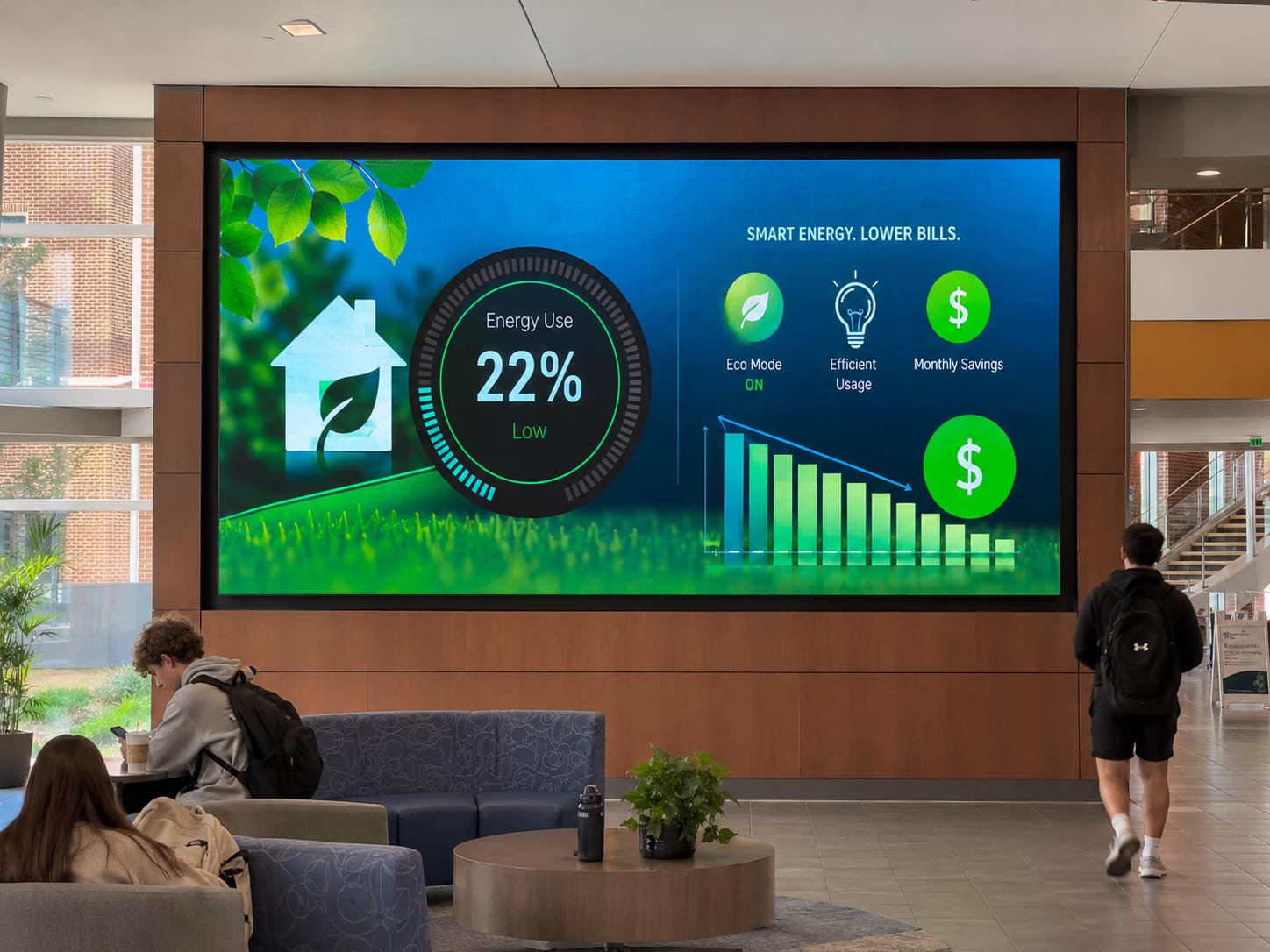
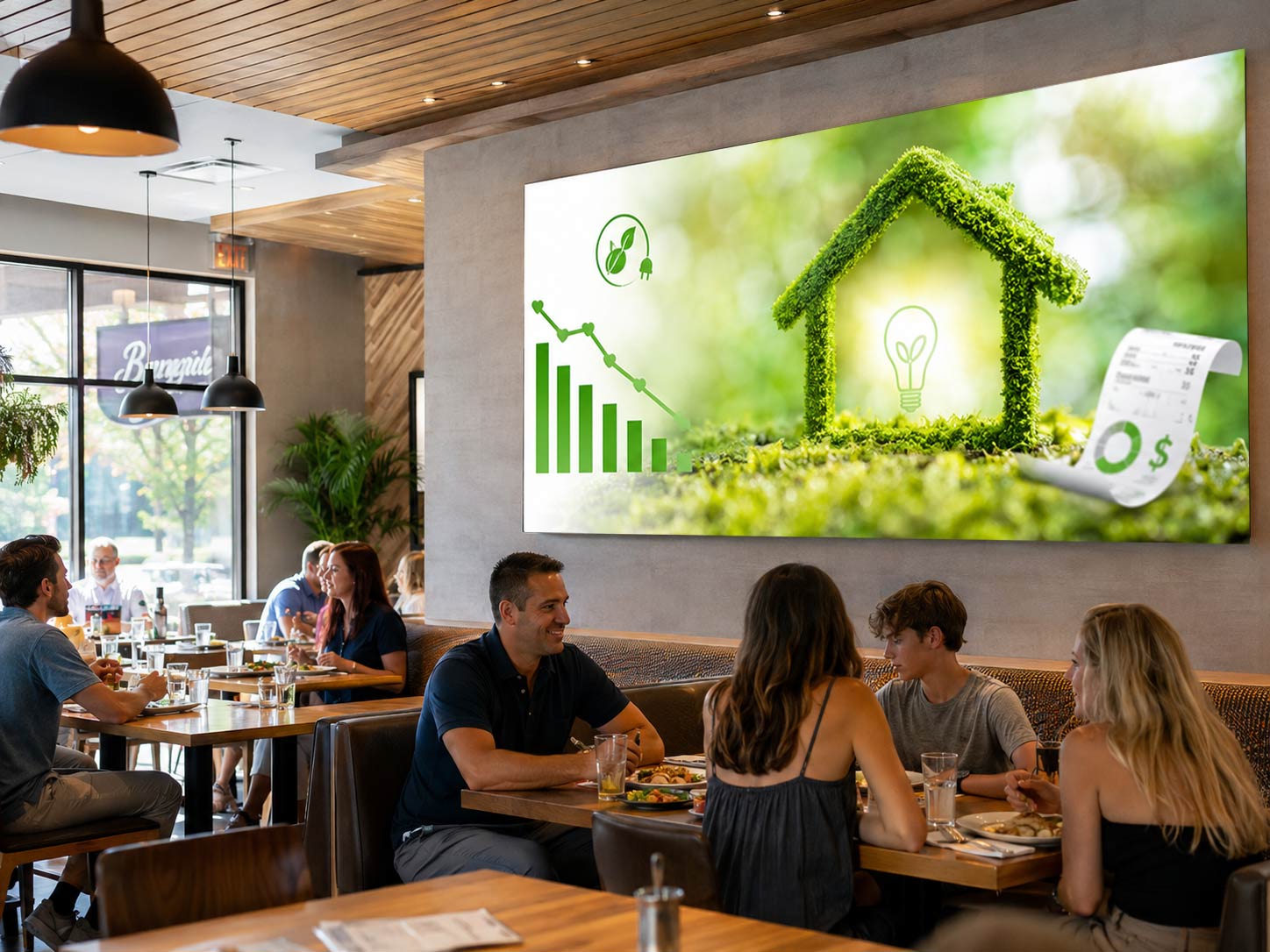
Beyond performance, common cathode LED screens support a more responsible approach to modernization. Businesses want visual systems that look impressive without creating unnecessary waste or excessive energy demand. Efficient LED panels help reduce power consumption and lower the heat load on building HVAC systems.
This makes energy-efficient purchasing both practical and strategic. Companies can improve visual communication while aligning with sustainability goals and smarter resource management.
The Business Case Behind Common Cathode LED Walls
Looking Beyond the Initial Price
The initial purchase price is only one part of the investment. A system that seems affordable at first can become expensive if it consumes too much power or requires frequent service. True ROI depends on how efficiently the display performs year after year.
For that reason, energy-efficient LED panels can deliver stronger long-term value. Lower operating costs, reduced heat, and better reliability all contribute to profitability. The smartest investment is not always the cheapest one; it is the one that keeps performing.
When Efficiency Becomes a Competitive Advantage
For retailers, casinos, luxury hotels, corporate centers, and entertainment venues, visual communication is part of the business experience. LED video walls that can stay on longer without driving up operating costs give teams more freedom to promote, inform, and engage. Efficiency allows content to work harder without making every hour of use feel expensive.
That advantage matters in spaces where visibility influences customer attention and brand perception. A more efficient system gives businesses the flexibility to use their LED screens strategically, not cautiously.
Energy Savings at Scale
The impact of efficiency grows quickly in large installations or multi-screen networks. Across event centers, retail environments, and public venues, even a moderate reduction in energy use per square foot can create significant savings over time. Scale turns efficiency into a measurable business advantage.
Final energy consumption depends on display size, content type, brightness levels, ambient conditions, hours of use, and processing quality. A well-built system uses energy where it is needed, when it is needed, without unnecessary waste.
Why Manufacturers Are Shaping the Future of Efficient LED Solutions
In a market filled with generic options, Mirackle stands out as both a manufacturer and supplier of professional display systems. By controlling the process from technical design to final production, the company can deliver LED devices built for real-world performance, not just basic specifications. That control helps ensure stronger consistency, better quality, and more practical long-term value.
Better Control Over Product Quality
Working directly with a manufacturer offers a clear advantage. Mirackle understands the internal architecture of its products, making it possible to integrate advancements such as common cathode technology from the start. This reduces the limitations often found in equipment assembled from disconnected components.
That level of control also helps ensure each project receives hardware aligned with its purpose, whether the goal is broadcast clarity, retail visibility, outdoor durability, or premium indoor presentation. Better engineering leads to better outcomes.
More Practical Guidance for Each Project
Every environment has different requirements. A film production studio, a luxury showroom, a church, and an outdoor venue all demand different performance priorities. Mirackle helps clients evaluate pixel pitch, brightness, white balance, viewing distance, and installation format with practical guidance. The goal is to match the system to the space, not force a one-size-fits-all solution.
This consultative approach makes LED technology easier to plan and easier to trust. Clients receive recommendations based on how the system will actually be used.
Long-Term Value, Not Just Hardware
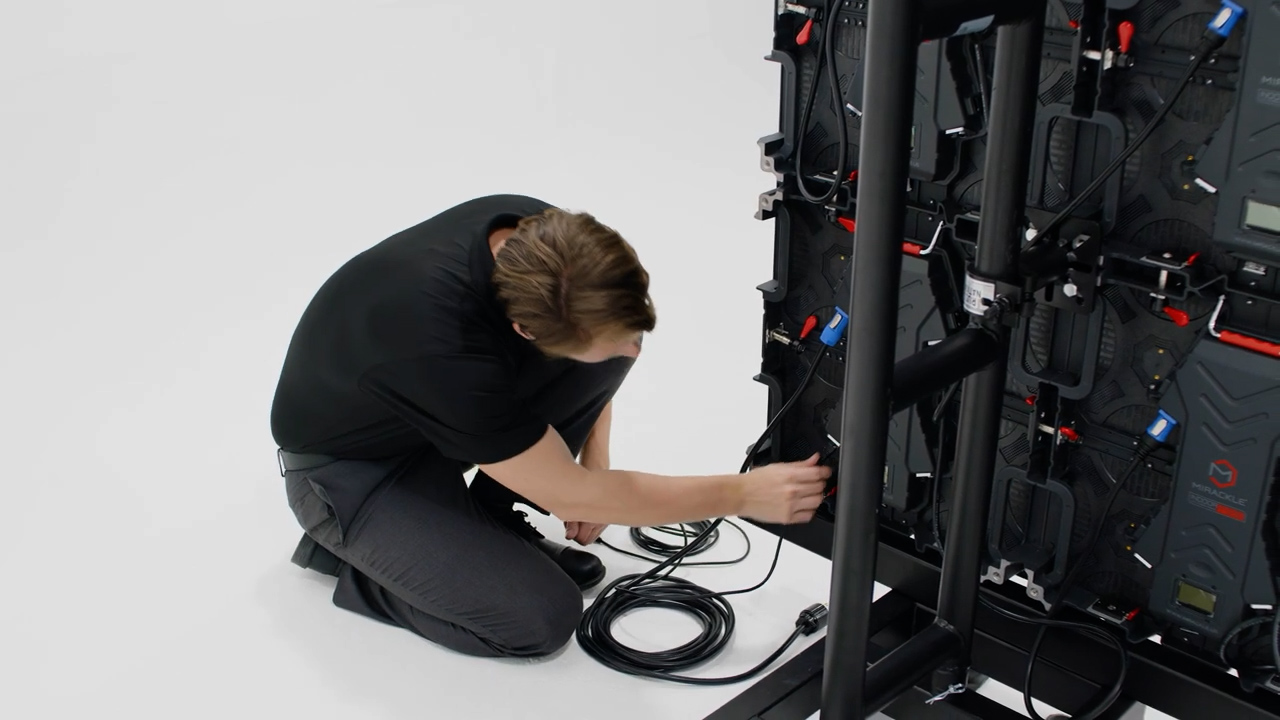
A digital signage investment does not end at installation; that is where performance expectations begin. Mirackle supports LED solutions with strong integration, scalable planning, and expert technical support. The focus is long-term reliability, not just hardware delivery.
That includes control systems such as NovaStar for smooth image management, flexible video input compatibility, intuitive software options, and a 5-year warranty. Choosing Mirackle means choosing a partner that understands efficiency, visual quality, and dependable support as part of the same investment.
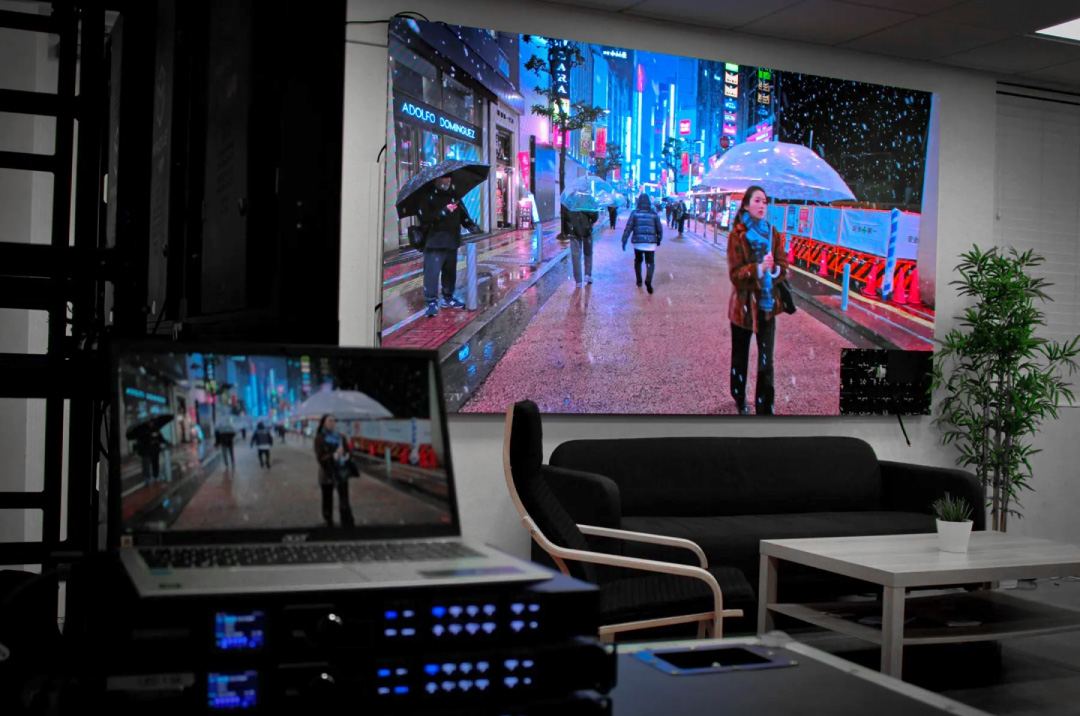
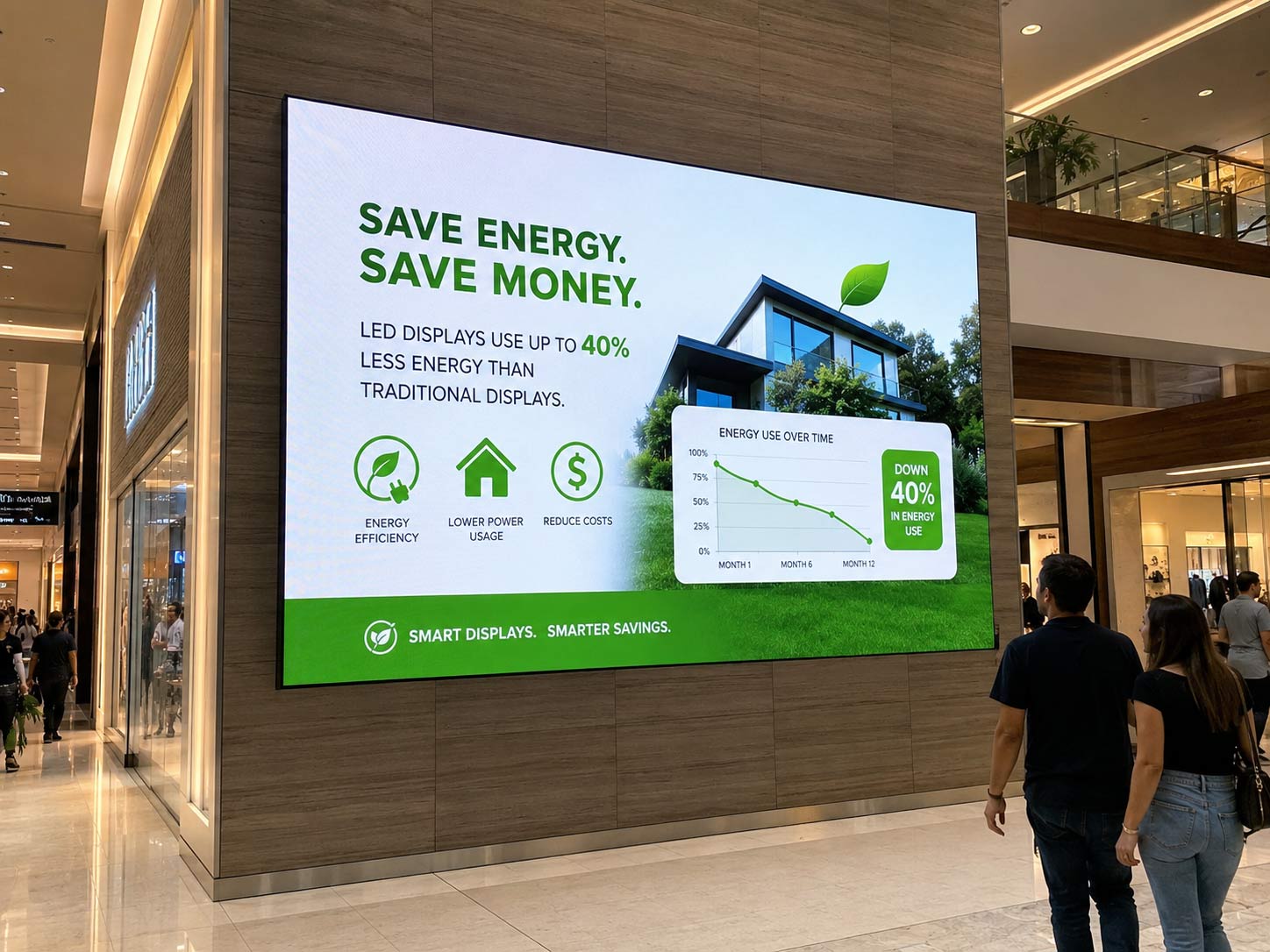
Because for LED video walls, success isn’t judged the day they turn on. It’s judged every day they keep performing without becoming a problem.