
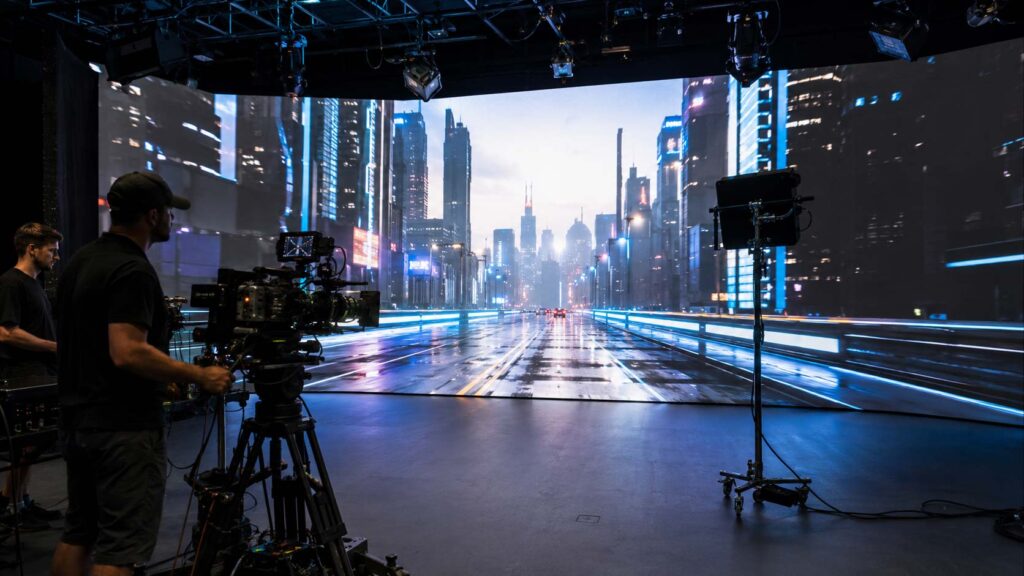
Not every flaw in an LED video wall is obvious at first glance. The image may have excellent resolution, strong color, and polished content, yet a faint line, uneven reflection, or visible seam can still break the illusion of one continuous surface. These issues are easiest to spot on white backgrounds, solid colors, broad areas of even lighting, or fast camera movement. In many cases, the problem is not the content or calibration—it is the physical surface displaying the image.
Buyers often focus on pixel pitch, resolution, and color accuracy when evaluating custom LED screens. Those factors matter, but seamless performance starts with precise mechanical alignment. Every cabinet and module must sit on the same plane so the image reads as one uninterrupted canvas. Before adjusting software, it makes sense to inspect the foundation first: cabinet quality, module placement, mounting accuracy, and the structure supporting the system.
How Flat LED Panels Create One Continuous Canvas
Keeping Every Pixel on the Same Plane
Think of a mural painted on a perfectly smooth wall. The image feels continuous because the surface never changes depth. LED video walls aim for the same effect, even though they are assembled from multiple cabinets and modules. When every component sits at the same depth, the pixels behave like part of one surface.
Even a small level difference between neighboring LED display panels can create a shadow, reflection, or brightness shift. The eye is especially sensitive to these changes on bright or uniform content, so excellent resolution alone cannot compensate for poor flatness.
Better Uniformity Across Wider Viewing Angles
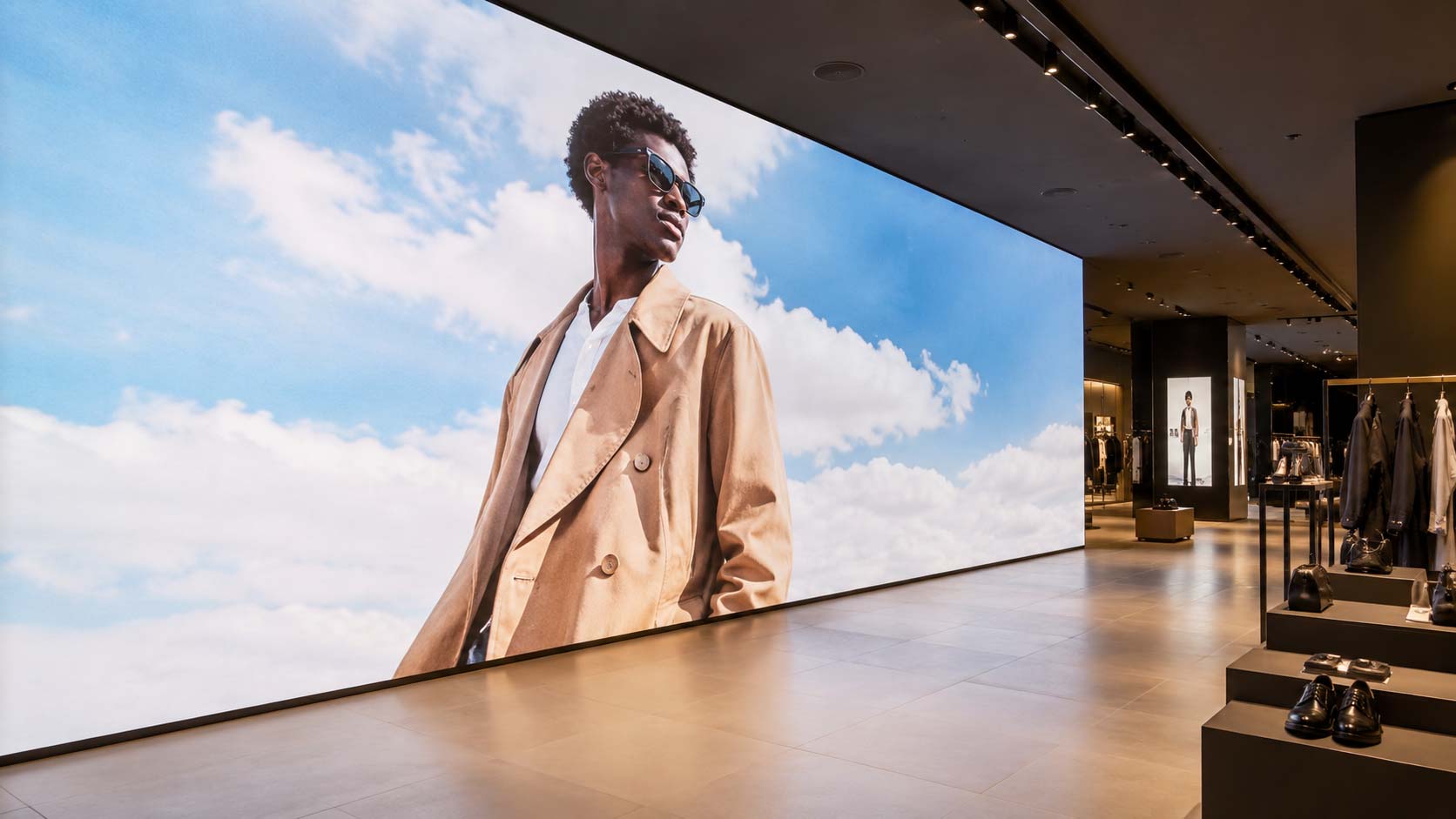
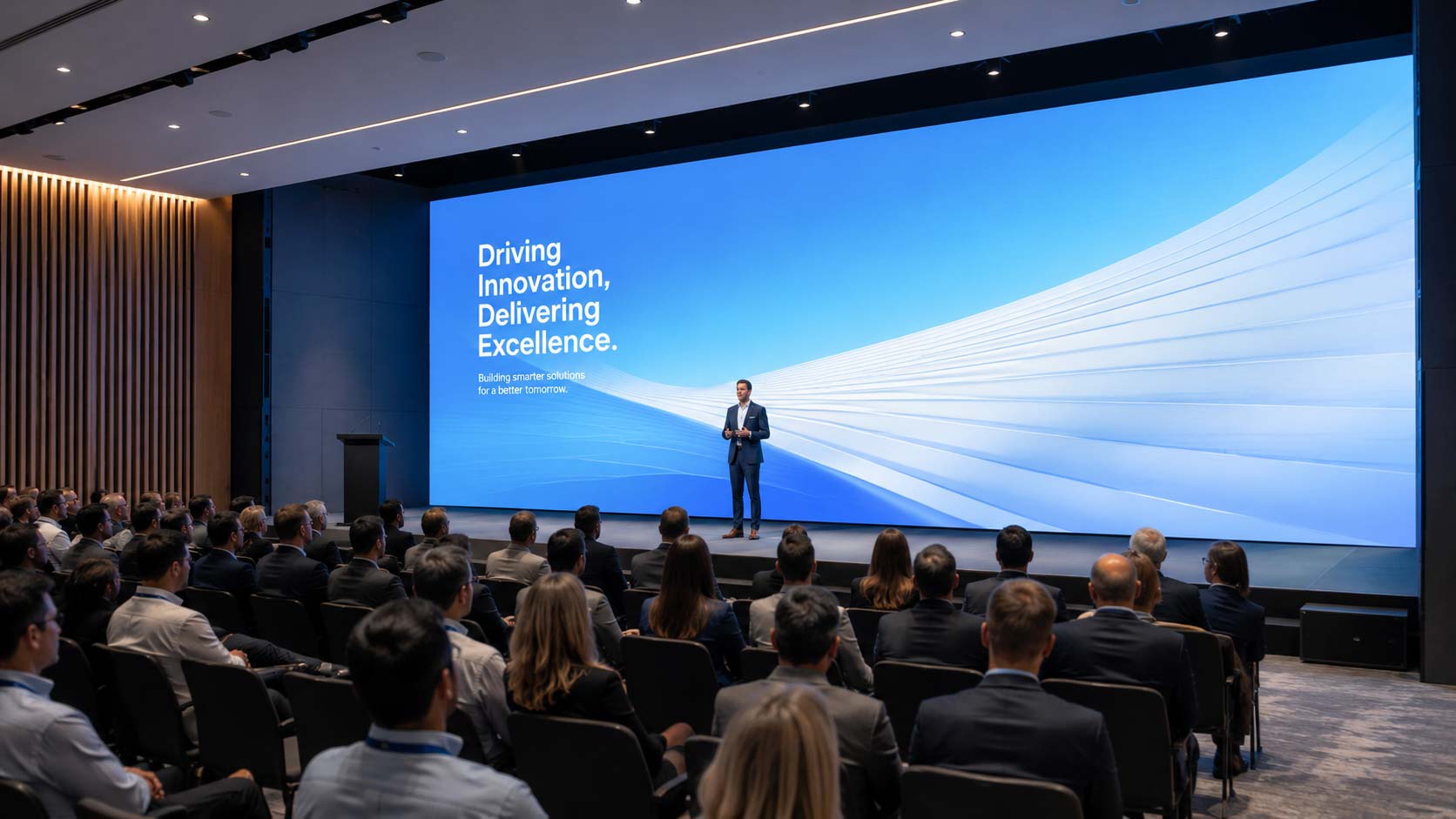
Installations are often judged from the center of a room, but audiences rarely stay in one place. In lobbies, churches, auditoriums, retail spaces, and control rooms, people view LED displays from different positions and angles. A surface that looks clean head-on may reveal misalignment from the side.
Slight tilts between LED panels change how light reaches the viewer, making seams or brightness differences easier to notice. Proper flatness helps preserve consistency across a wider field of view, not just from the ideal viewing position.
For LED walls for churches, or spaces with distributed audiences, uniformity becomes part of the overall experience. The more consistent the physical surface, the more natural the image appears throughout the room.
A Cleaner Result for Cameras and Virtual Production
Small imperfections become much more visible when a camera is involved. Camera sensors can reveal reflections, module shadows, and surface variations that a person might overlook from several feet away. What seems minor in person can become distracting on screen.
For studios, broadcast environments, and virtual production, LED walls need to maintain a clean physical plane so backgrounds and graphics stay visually continuous. Flatness supports the work of refresh rate, calibration, and image processing rather than replacing them.
The cabinet provides the physical base for that performance. When LED screens are mechanically aligned, technical adjustments can do their job without fighting visible seams or uneven reflections.
Where LED Screen Flatness Is Won or Lost
Cabinet Construction Sets the Starting Point
A seamless result begins with cabinets that hold their shape. Rigid, well-built, warp-resistant construction gives LED displays a stable base for accurate module alignment and long-term visual consistency.
This is especially important for rental systems and temporary installations. Lightweight cabinets make transport and setup easier, but low weight only helps when structural rigidity is preserved through repeated handling, relocation, and extended use.
The Supporting Structure Shapes the Final Wall
An LED wall can only be as flat as the structure supporting it. Even high-quality LED display panels may show seams if the wall is uneven, the frame flexes, or the first row is not leveled correctly. Mounting accuracy affects the entire finished surface.
For LED walls, wall-mounted, ground-supported, and flown configurations introduce different variables. A rigid wall must be level, a ground support system must remain stable, and a flown system depends on a consistent upper structure. In every case, the support system is part of the visual result.
Module Placement Can Create Localized Defects
A system can be aligned overall and still show one visible defect. If a single module is not seated correctly, a small step, line, or reflection change can interrupt an otherwise seamless image.
Magnetic modules and full front service make LED panels easier to maintain, replace, and service. That convenience also makes careful reseating after every intervention essential.
After maintenance, each module should return to its exact position. On LED video walls where visual continuity is critical, even a slight height difference can become noticeable once the content is running.
Heat and Repeated Handling Matter Over Time
Flatness is not guaranteed forever by a good initial installation. Temperature changes, vibration, transport, and repeated service can gradually alter alignment. Systems that are frequently assembled and disassembled need closer mechanical attention over time.
For outdoor LED screens, IP65 protection helps defend against rain, dust, and demanding environmental conditions. Indoor LED wall systems may use ratings such as IP45, depending on the product, but protection ratings do not replace stable construction, ventilation, and routine inspection.
Long-term continuity depends on more than installation day. A durable seamless surface comes from precise construction, a stable support system, and maintenance that preserves alignment as the equipment ages.
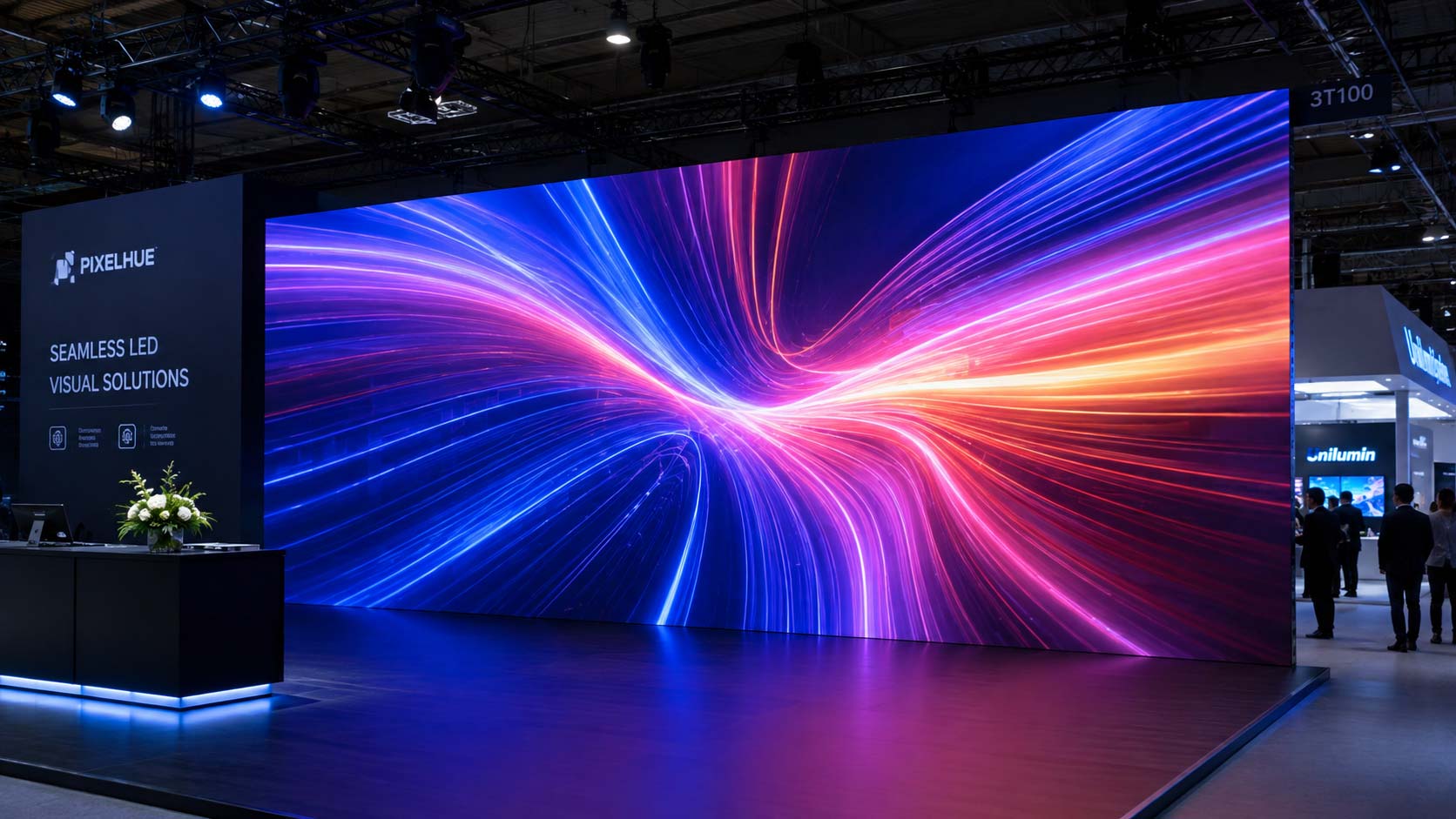
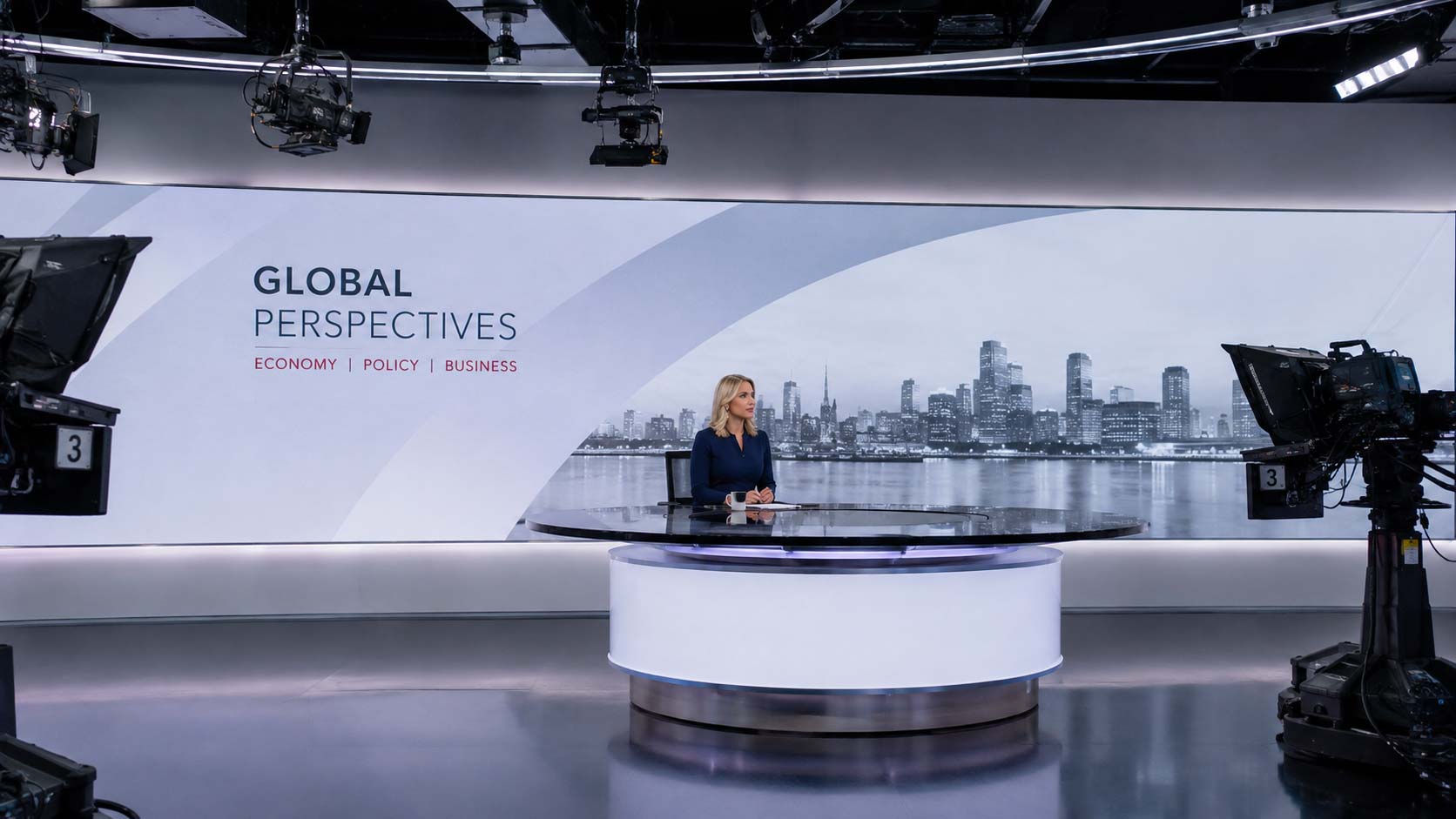
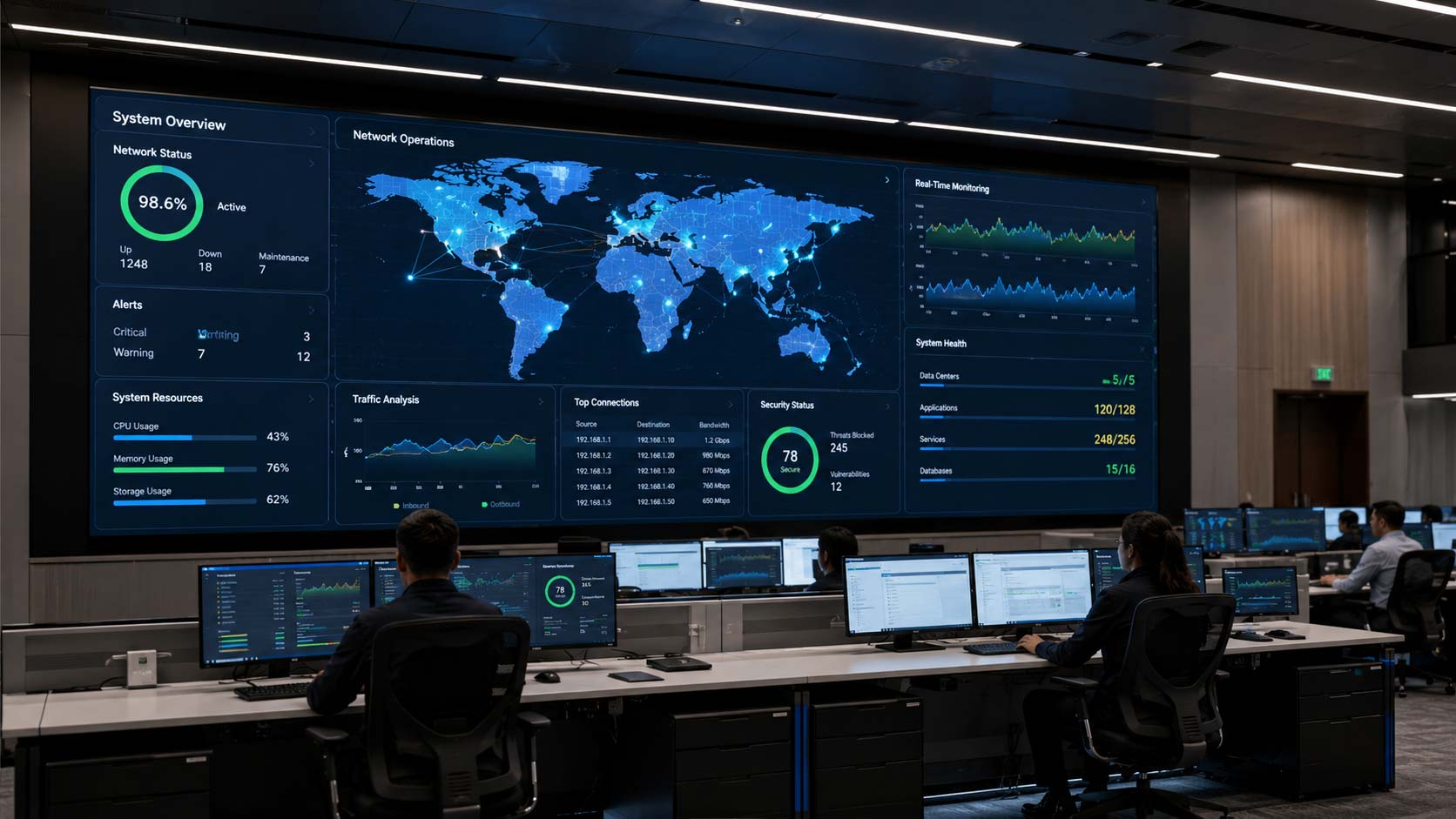
How Installers Correct an Uneven LED Display
Start With the Structure, Not the Software
When one section of an LED wall looks different, the first instinct is often to change brightness, color, or display settings. Those adjustments are useful for image tuning, but software cannot correct a cabinet that sits a few millimeters out of plane.
A better diagnosis starts with the structure. Installers check anchor points, cabinet depth, latches, joining hardware, and module seating before returning to calibration. This sequence separates mechanical problems from image-processing problems and prevents unnecessary adjustments.
Alignment also works cumulatively. On large LED displays, a small error in the first cabinet can grow into a visible seam farther across the surface. Establishing a stable reference point at the beginning saves correction work later.
The first row or mounting point therefore sets the standard for everything that follows. Consistent tolerances from the start are one of the simplest ways to protect final image quality.
Test With Content That Exposes Imperfections
Fast-moving video can hide physical defects, so testing should include content designed to reveal them. Solid colors, gradients, fine lines, small text, close-up faces, and slower motion are especially useful. These patterns expose depth changes, reflection shifts, and seams more clearly.
Testing LED display panels from multiple viewing positions is equally important. A screen that looks perfect from the center may behave differently from an angle, especially in wider rooms.
If LED panels remain uniform under demanding test content, they are far more likely to maintain a seamless appearance during everyday use.
Recheck the Wall After Service
Maintenance should not end when a repaired module powers back on. For LED displays, every intervention can slightly change the surface, so LED screens should be checked again from several angles and with test content. Fast front-service access is valuable, but it should never replace a final alignment check.
Choosing a Seamless LED Wall That Stays Seamless
Well-designed LED walls can look flawless on installation day and still lose precision if repeated use, service, or movement are not considered. Long-term performance depends on how well the system protects alignment after the project is complete.
Before comparing price or resolution, buyers should ask how cabinets connect within LED video walls, how movement between panels is controlled, how modules are removed, how flatness is verified after service, and what technical support is available. Those questions reveal more about long-term usability than a specification sheet alone.
Warranty coverage also matters. A five-year warranty is more valuable when it includes practical access to spare parts, technical support, and service procedures that do not require dismantling large sections of LED display panels. Good support protects both uptime and the original visual quality of the installation.
Mirackle approaches projects as complete LED solutions, coordinating cabinets, control systems, structure, service access, and installation methods for studios, broadcast, virtual production, events, churches, and commercial spaces. Its LED technology is selected to support consistent performance, practical maintenance, and long-term visual continuity, while compatible LED devices are planned as part of the same system rather than treated as isolated components.
Because for LED video walls, success isn’t judged the day they turn on. It’s judged every day they keep performing without becoming a problem.