
LED Display Scan Rate Explained: 1/8, 1/16, 1/32 and What It Changes
Two LED video walls can share the same size, resolution, and advertised refresh rate yet perform differently. One specification that helps explain those differences is scan rate, a factor that affects how rows of pixels are driven and how the system balances brightness, efficiency, and image stability.
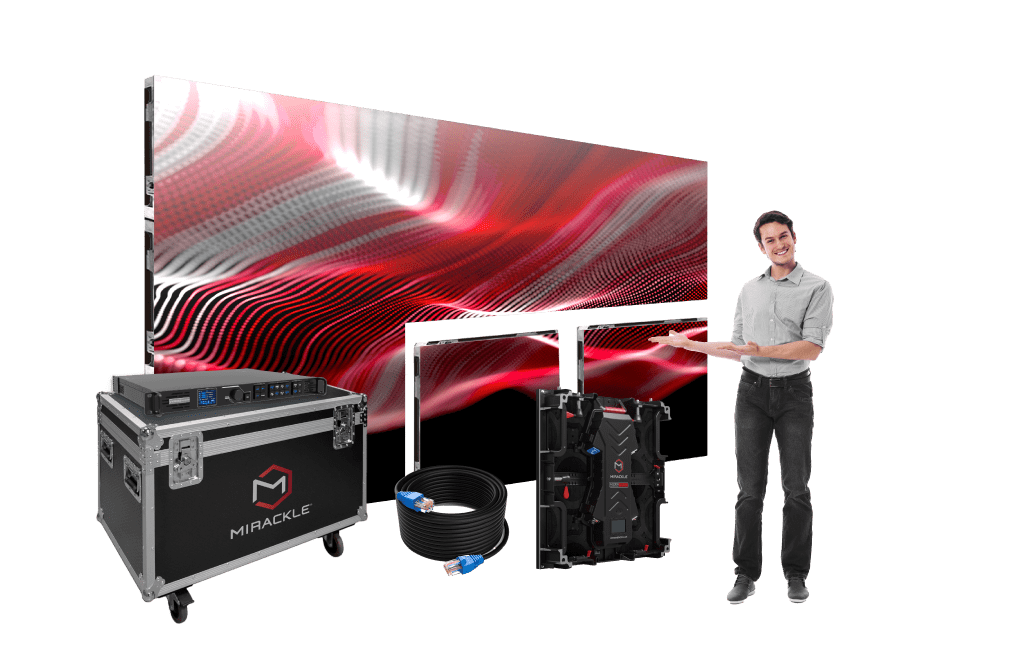
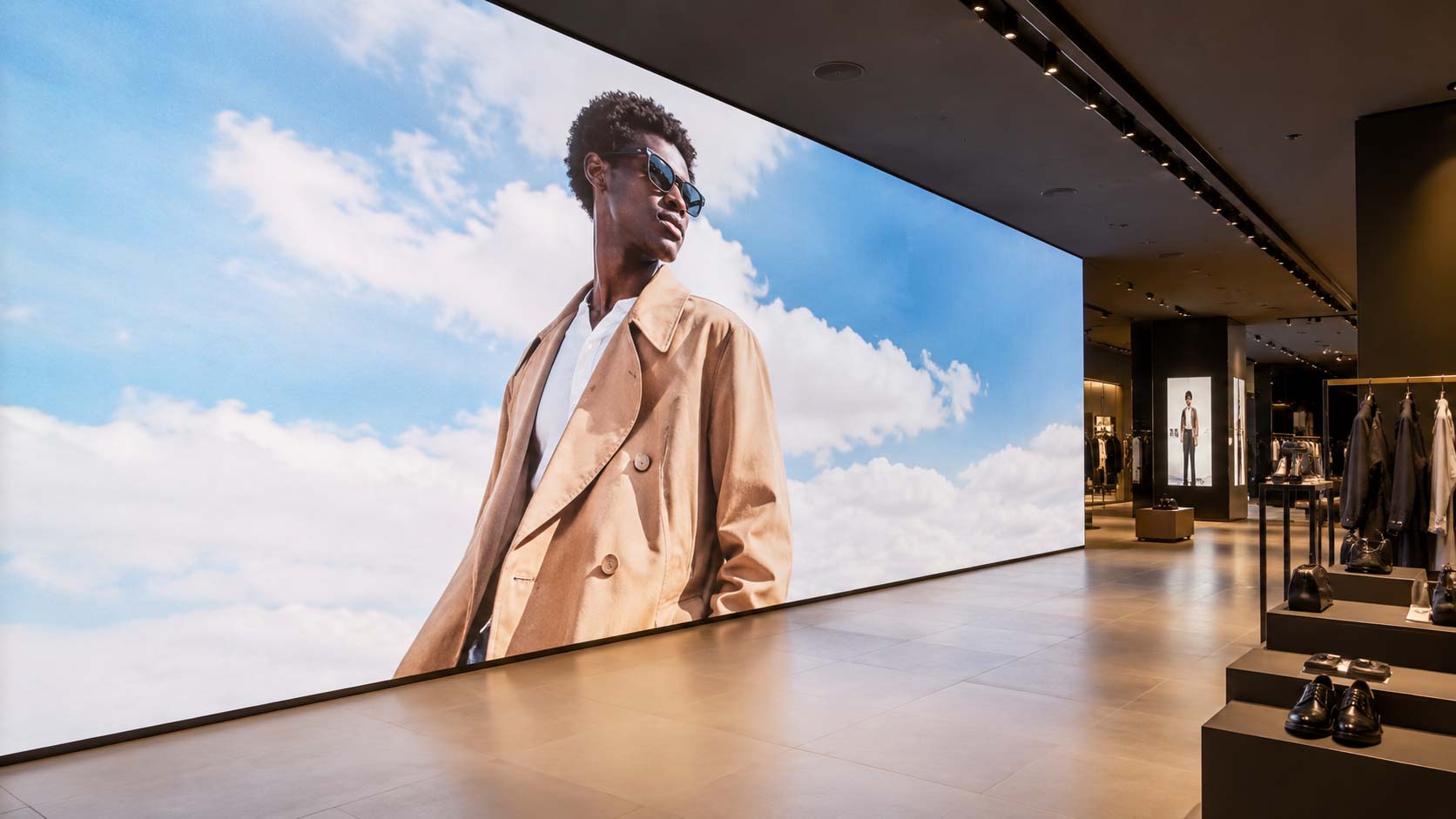
Scan rate is easy to overlook because it receives less attention than pixel pitch or refresh rate. Still, it can influence practical performance, especially in high-brightness environments, low-light scenes, or applications where cameras are involved. Understanding the difference between 1/8, 1/16, and 1/32 helps buyers compare custom LED displays without treating a larger denominator as an automatic upgrade.
In simple terms, scan rate describes how many row groups are driven in sequence. With 1/8 scan, one of eight row groups is active at a time; with 1/32 scan, one of 32 groups is active. The switching happens so quickly that viewers perceive a continuous image rather than individual cycles.
That architecture matters because scan rate interacts with driver ICs, duty cycle, brightness, grayscale performance, and refresh behavior. The goal is not to chase the highest number, but to choose LED panels whose overall design fits the installation, content, and viewing conditions.
What 1/8, 1/16, and 1/32 Scan Actually Mean for LED Technology
The Switching Your Eyes Never See
Imagine a flashlight moving between several points so quickly that they appear illuminated at the same time. That is the basic idea behind multiplexed scanning in LED screens.
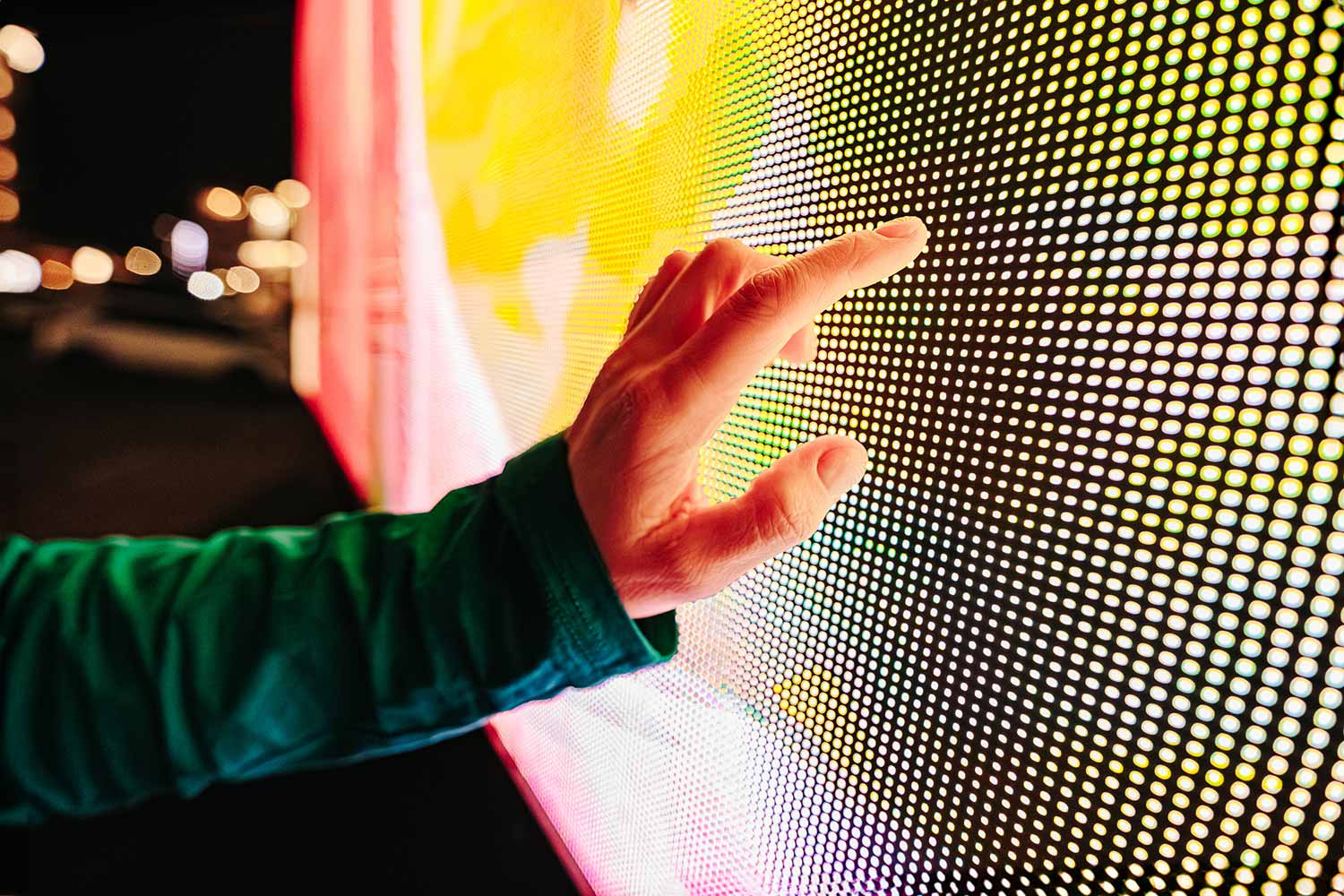
The diodes in a module are not necessarily driven continuously. Driver ICs activate groups of rows in rapid sequence, and the visual system blends those cycles into a stable image. A 1/16 scan configuration divides the relevant rows into 16 groups, energizing one group at a time before repeating the cycle.
This approach helps manufacturers balance component density, power requirements, thermal behavior, and physical PCB space. Scan rate is therefore part of the display architecture, not a stand-alone measure of picture quality.
Why the Bigger Number Is Not Automatically Better
It is tempting to assume that 1/32 must be better than 1/16 because the number is larger. That logic does not apply here. A higher denominator means that more row groups share the driving cycle; it does not automatically mean sharper images, richer color, or better reliability.
Lower scan ratios such as 1/8 or 1/16 generally provide a higher duty cycle than 1/32 or 1/64 designs. Depending on the LEDs, driver ICs, current settings, and thermal limits, they can support stronger brightness output. This is one reason lower scan ratios are common in products built for demanding ambient light.
Higher scan ratios can be useful where space is limited, and pixel density is high. Fine-pitch LED display panels often rely on more aggressive multiplexing because dense layouts leave less room for supporting electronics. The tradeoff must be managed with capable drivers and proper calibration.
Scan Rate and Refresh Rate Are Not the Same Thing
These specifications are related to display timing, but they describe different parts of system behavior. Scan rate refers to how pixel rows are multiplexed, while refresh rate describes how frequently the display updates or repeats its output over time.
Commercial LED walls commonly advertise refresh rates such as 1,920 Hz, 3,840 Hz, or 7,680 Hz. Higher refresh capability can improve camera performance, but it is not the only factor behind clean footage. Camera shutter speed, frame rate, grayscale behavior, synchronization, driver IC quality, and processing all matter.
A 1/32 scan design can still perform very well on camera when paired with advanced drivers and control hardware. Conversely, a lower scan ratio does not guarantee perfect capture. The complete signal-and-driver chain matters more than either specification in isolation.
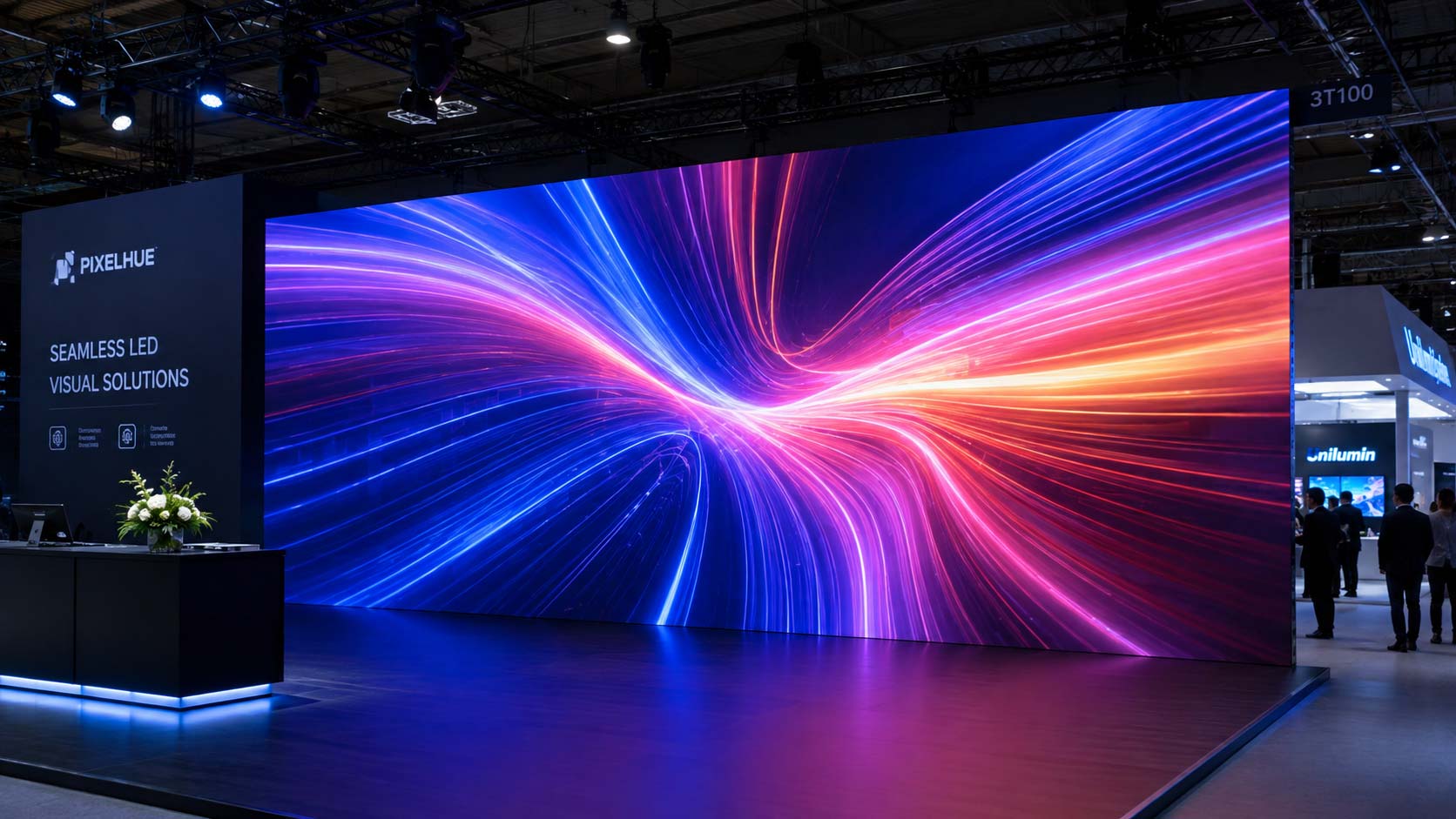
When Scan Rate Becomes Visible in LED Walls
Bright Rooms, Dark Rooms, and Changing Light
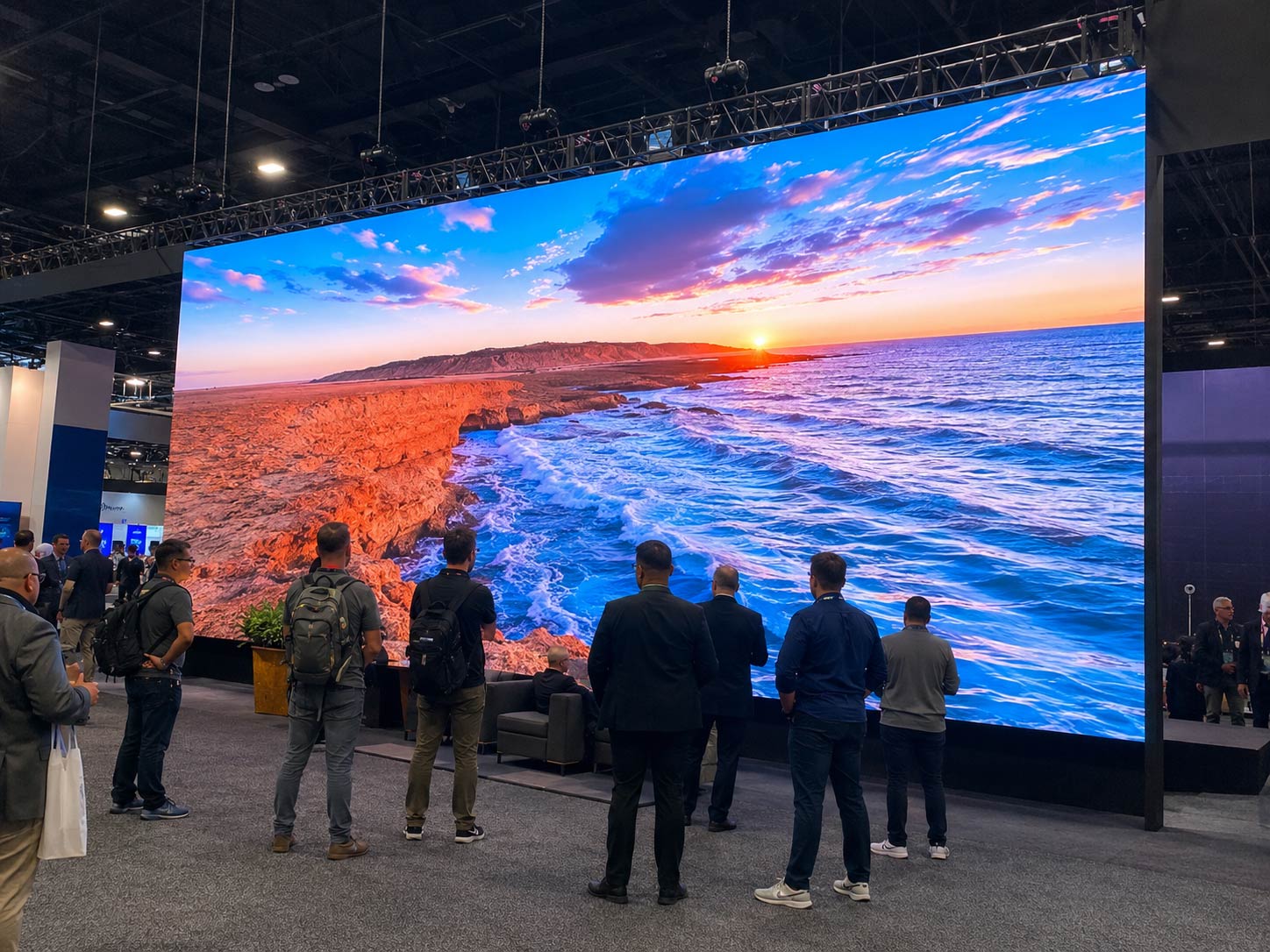
Ambient light changes what matters most. In a bright lobby, storefront, stage, or sunlit venue, usable brightness and contrast become critical. Designs with a higher duty cycle may have an advantage, although final luminance still depends on the LED package, current, thermal design, and calibration.
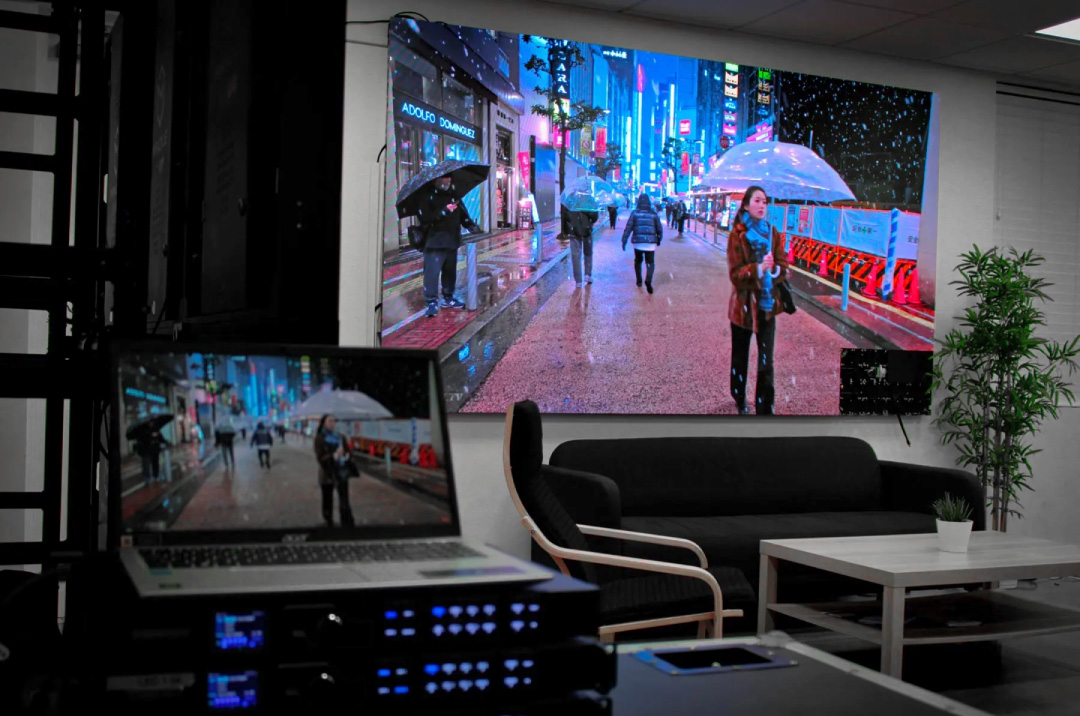
Indoor LED video walls operate under more controlled lighting and often prioritize comfortable brightness, fine detail, and accurate low-level color. When output is reduced for dark scenes, driver quality and grayscale handling become especially important because poor electronics can reveal flicker, banding, or uneven tonal transitions.
What Happens When a Camera Enters the Room
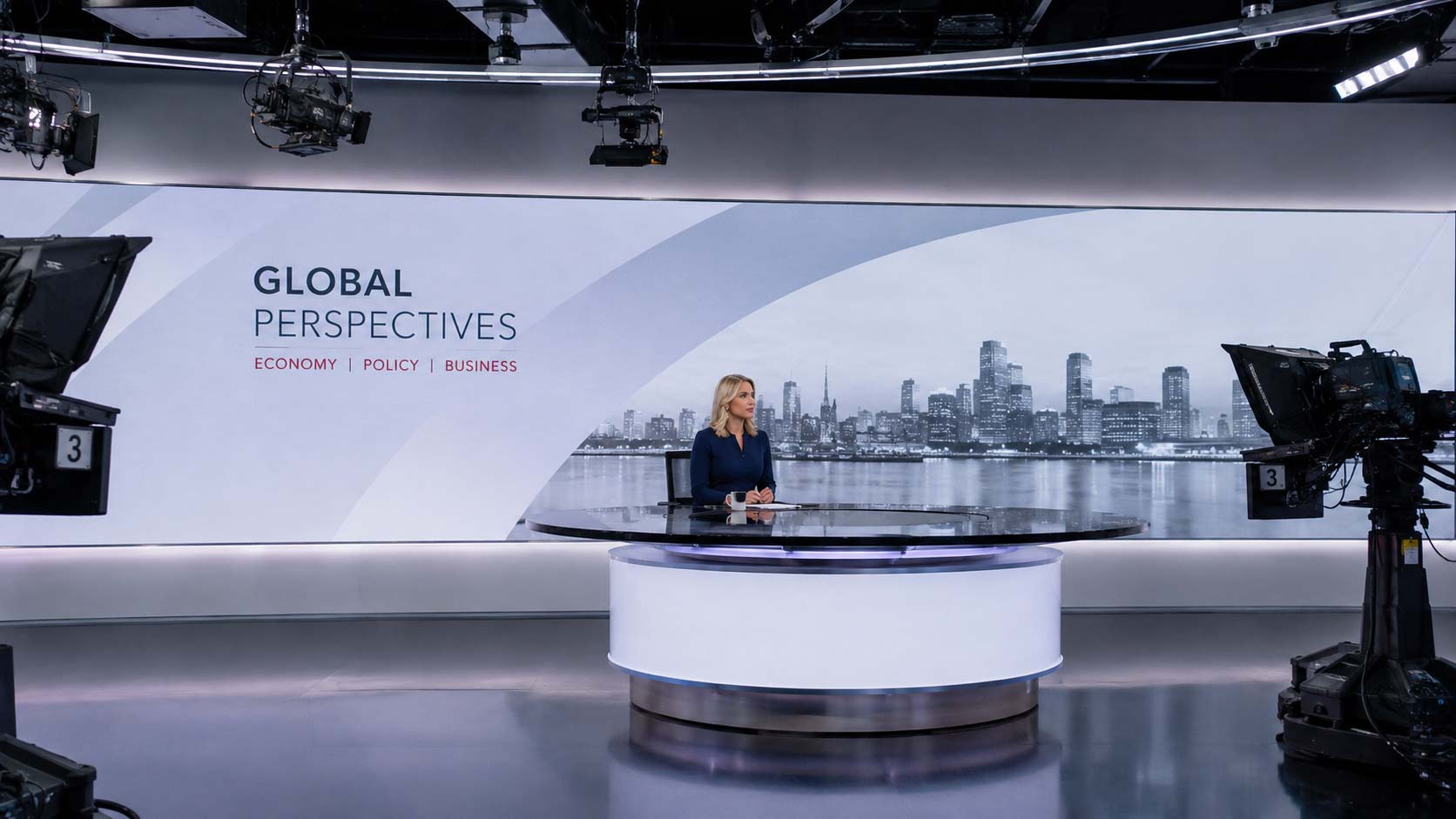
Cameras expose weaknesses that the eye may never notice. Shutter timing, frame rate, refresh behavior, scan timing, and synchronization can interact and create banding, scan lines, flicker, or unstable low-gray areas.
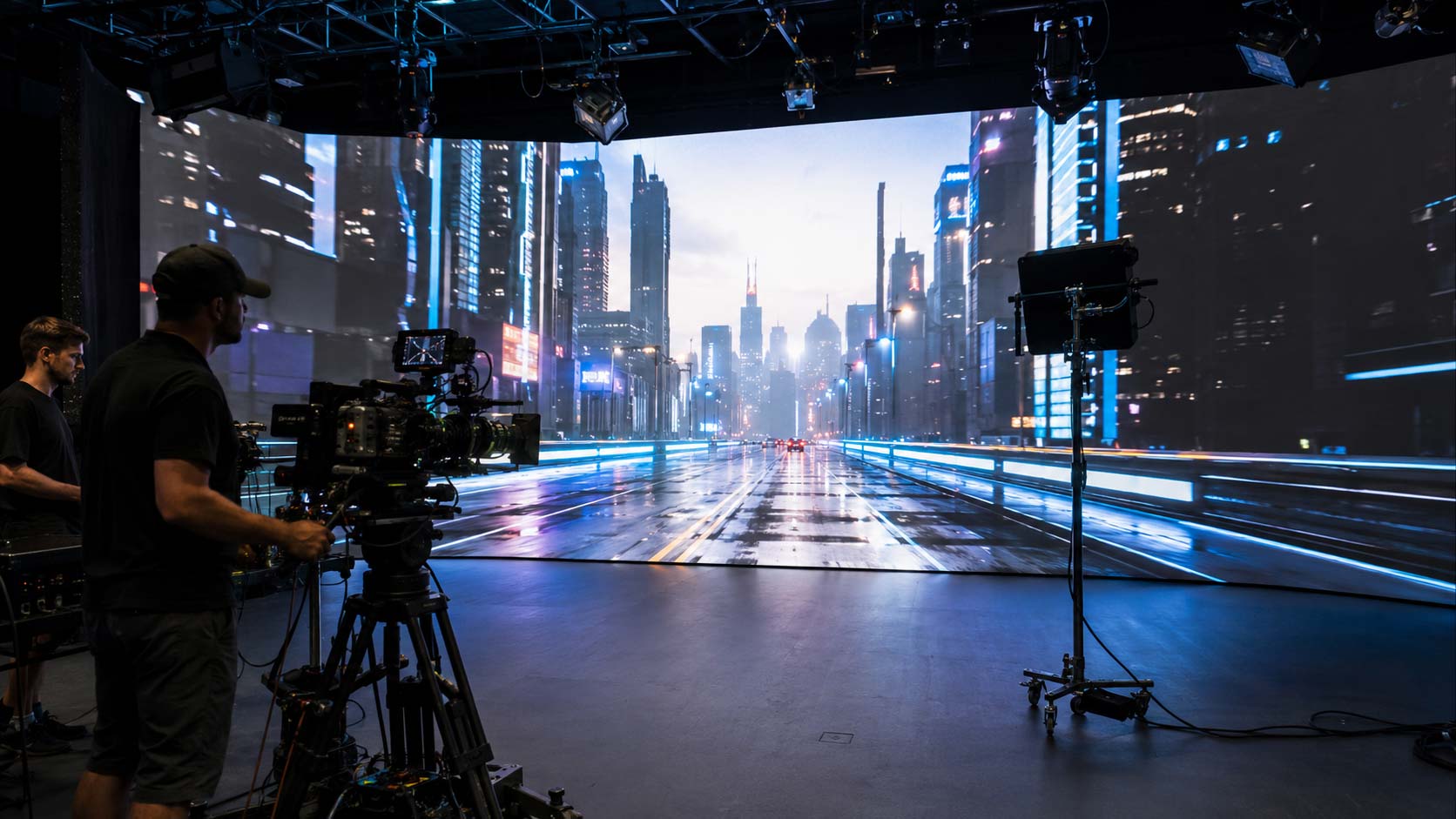
This is especially important for broadcast studios, churches, corporate events, and virtual production. Displays intended for frequent filming should be tested under realistic camera settings instead of judged by a single number on the specification sheet. A high advertised refresh rate alone does not guarantee artifact-free footage.
Viewing Distance Changes What Matters Most
Scan rate has little value when separated from pixel pitch and viewing distance. At close range, pixel density, grayscale quality, uniformity, and calibration usually matter more because viewers can see finer details and surface inconsistencies.
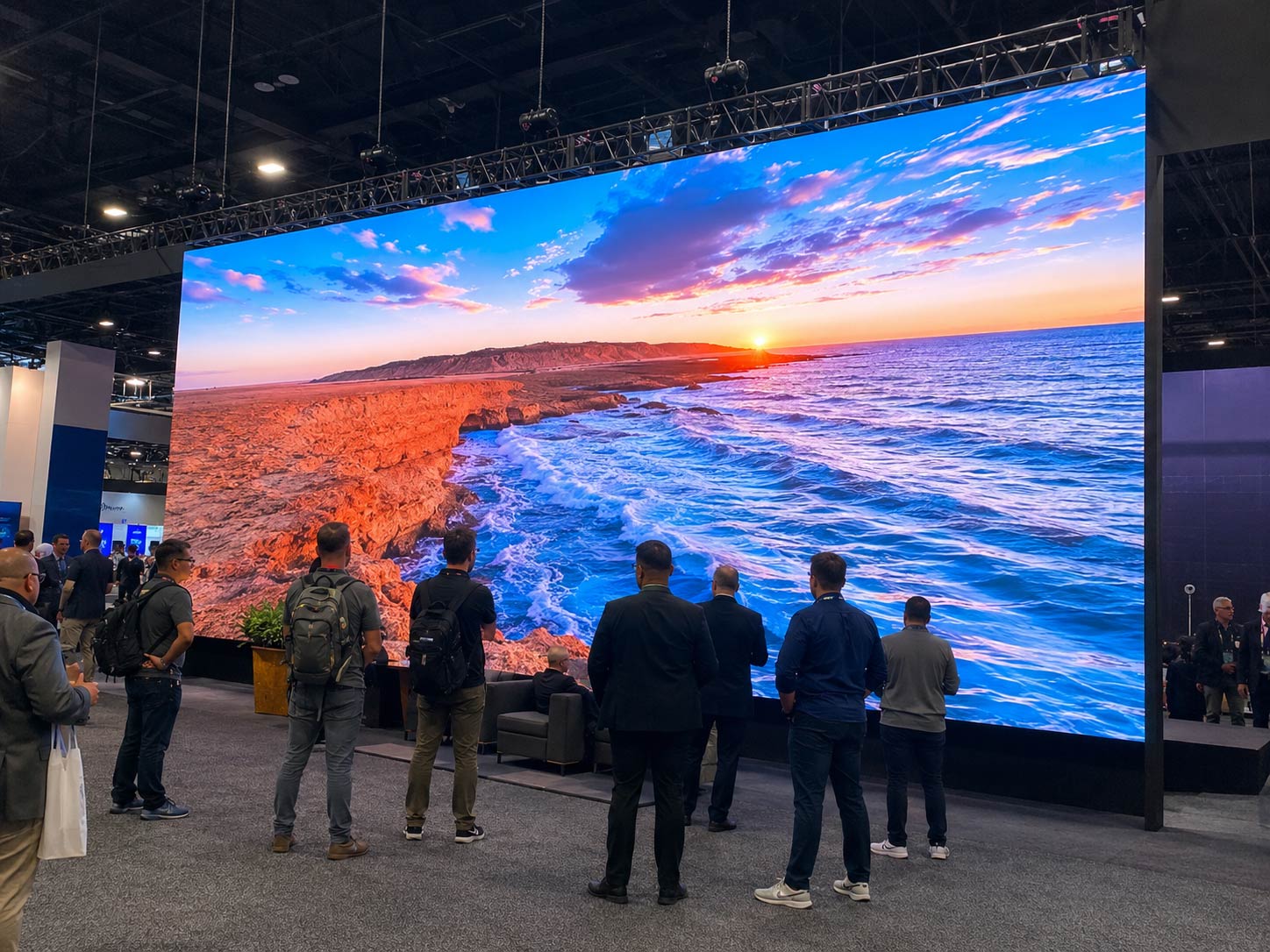
At longer distances, brightness, contrast, and overall visual impact become more important. LED displays designed for outdoor advertising or large venues may therefore use a different scanning architecture than fine-pitch products intended for boardrooms or studios. The correct choice follows the application, not a universal hierarchy of scan ratios.
The Right Scan Rate Depends on Where the LED Display Will Live
Indoor Spaces Have Different Priorities
Indoor applications usually emphasize detail, viewing comfort, and controlled brightness. Fine-pitch LED panels used in control rooms, studios, and executive spaces may use higher scan ratios as part of a dense module design. The important question is whether the complete system preserves smooth grayscale and stable performance.
Churches, schools, and corporate venues often need a balance between direct viewing and live-stream capture. Here, scan rate should be evaluated alongside refresh rate, brightness control, and processing. Reliable on-camera performance is more valuable than an impressive isolated specification.
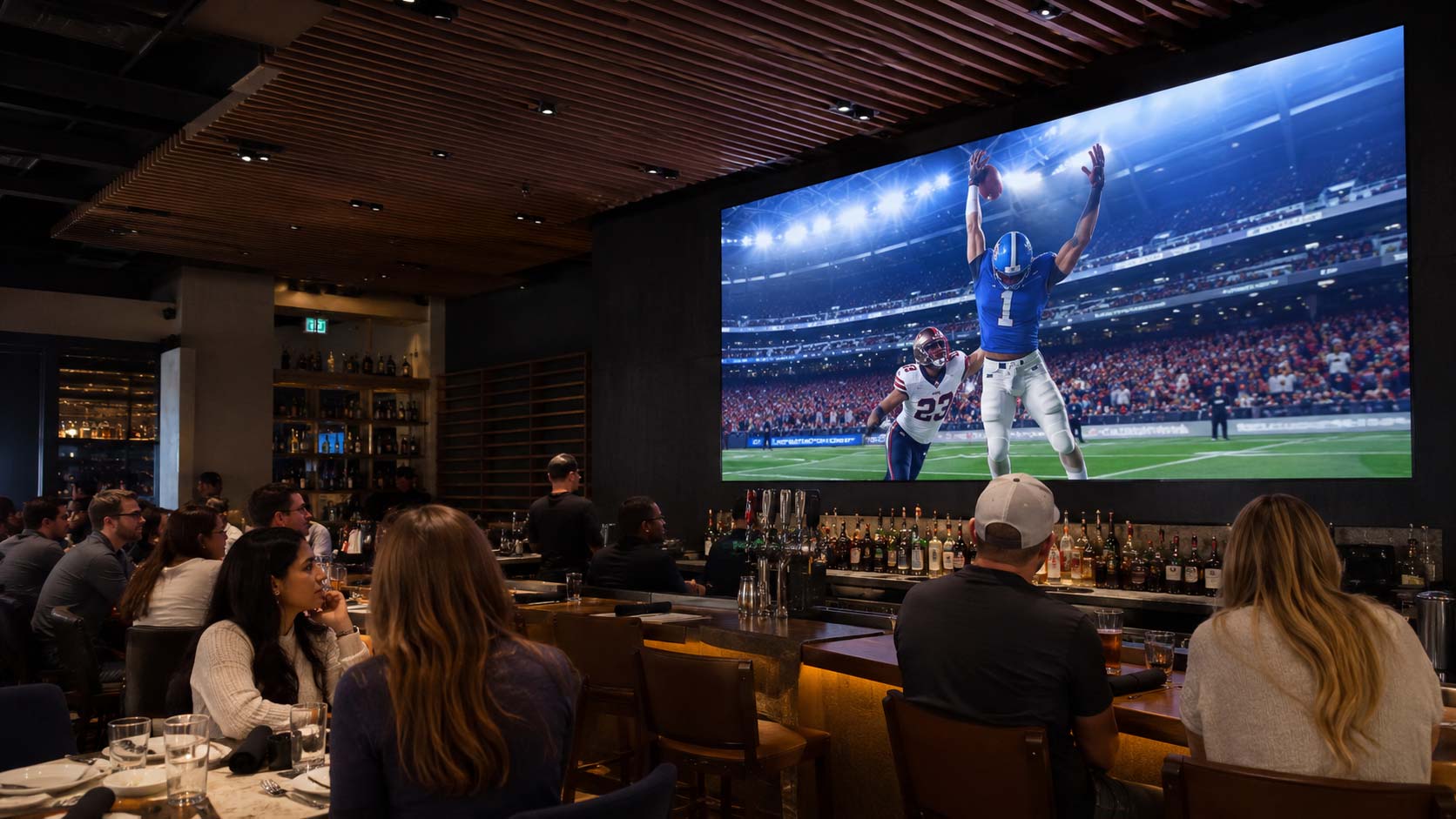
Retail and hospitality environments usually prioritize visual impact, operating cost, and dependable daily use. LED display panels in these spaces rarely need broadcast-grade electronics unless cameras are part of the experience. Matching the hardware to the actual workload helps control cost without sacrificing quality.
Outdoor Displays Play by Different Rules
Outdoor LED screens must remain visible in strong ambient light while handling heat, rain, dust, and long operating hours. Brightness, weather protection, thermal management, and serviceability are the primary concerns.
Lower scan ratios are often used in high-brightness outdoor designs because their higher duty cycle can support greater light output, but scan rate alone does not determine luminance. LED package efficiency, drive current, cabinet ventilation, power design, and calibration also matter. A balanced specification is more useful than a single aggressive number.
For permanent outdoor installations, buyers should also review ingress protection and access for maintenance. Equipment exposed to changing weather needs a cabinet and electrical design built for the environment, not simply a bright module.
Permanent Installation or Event Setup?
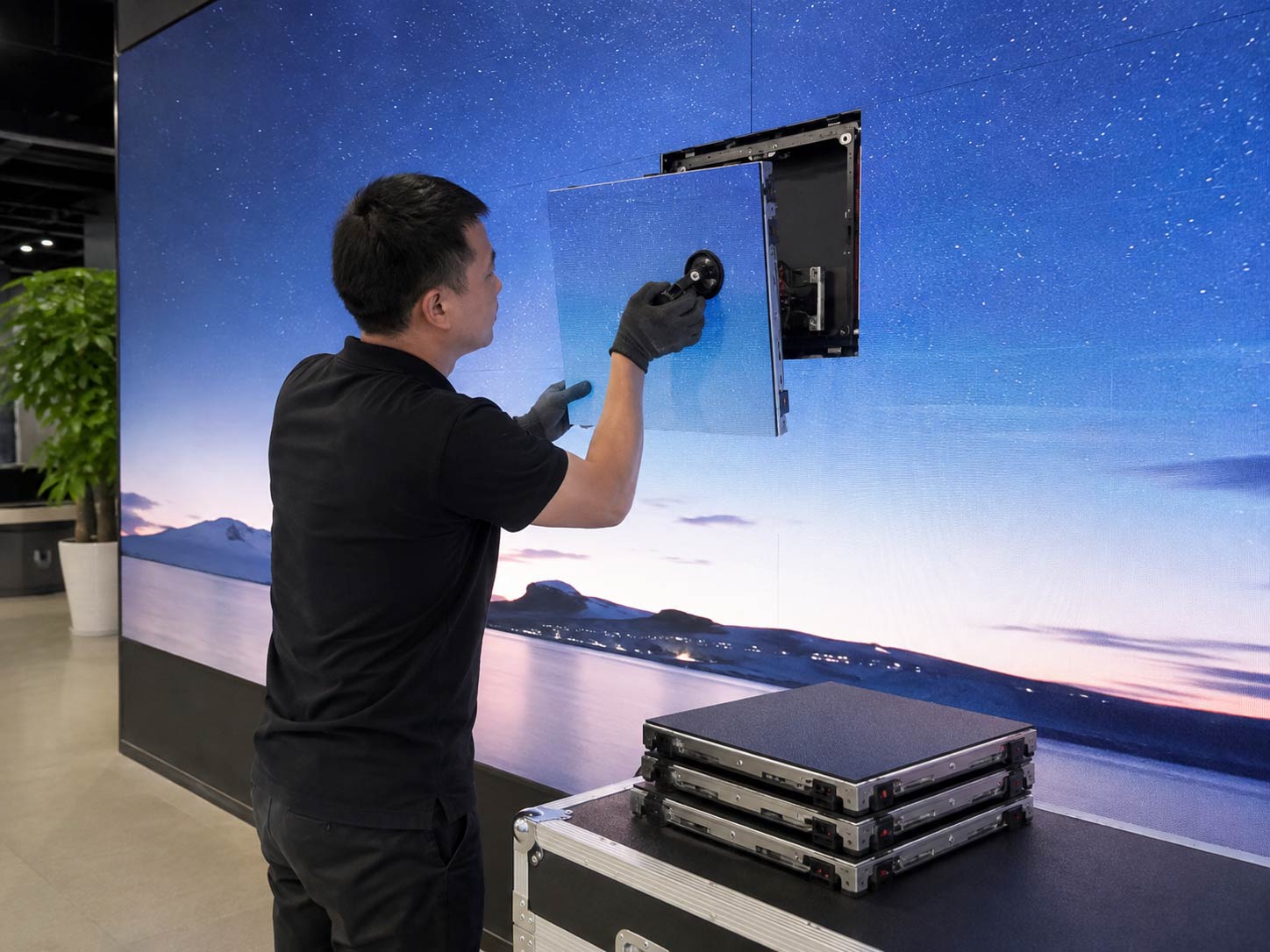
Mounting method affects priorities as well. Wall-mounted LED video walls often benefit from slim cabinets, front service, clean cable management, and efficient heat control. Service access can matter more over the life of the system than a small difference in scan ratio.
Rental and event LED panels face repeated assembly, transport, and handling. Quick locks, durable frames, replaceable modules, dependable connectors, and consistent calibration are essential. A touring product must survive real-world use while maintaining predictable visual performance.
For flown or ground-supported LED walls, brightness and camera compatibility may also need to coexist with fast setup. That is why rental-grade LED devices should be evaluated as complete systems rather than selected from one line of a spec sheet. Mechanical design and electronic performance are equally important.
How to Choose Without Overbuying Based on the Spec Sheet
Scan rate should be treated as one part of the decision, not the decision itself. Before comparing LED displays, define the viewing distance, ambient light, camera use, content type, installation method, and service requirements. Those conditions determine which specifications deserve the most weight.
For fixed installations, front-access service can reduce downtime and simplify maintenance. For production environments, low-gray performance and camera synchronization may matter more. For outdoor projects, brightness and environmental protection move higher on the list. The right priorities change with the application.
The same principle applies to LED display panels, processors, power systems, and receiving hardware: they should work together. A well-designed product balances scan architecture with thermal management, calibration, serviceability, and long-term reliability. Performance comes from the system, not from one headline specification.
Choosing LED screens based only on the largest denominator can lead to unnecessary cost or the wrong product. Instead, compare the complete package and ask how it performs under the conditions that matter to your project. That is the difference between buying a specification and investing in a solution.
At Mirackle, we evaluate lighting conditions, viewing distance, camera requirements, mounting type, and operating demands before recommending LED solutions. The objective is to match the equipment to the application, avoiding unnecessary features while protecting image quality and long-term value.
We also consider how scan rate, refresh behavior, color processing, service access, and expected operating life work together. This helps ensure that the equipment supports both the initial investment and the day-to-day demands of the installation. A carefully matched system delivers better value from day one.
Because for LED video walls, success isn’t judged the day they turn on. It’s judged every day they keep performing without becoming a problem.