
When viewers stand close to a custom LED wall, small construction details become much easier to notice. A few years ago, buyers mainly compared pixel pitch, resolution, and brightness. Today, packaging architecture matters just as much, especially as pixels become smaller and visual expectations rise.
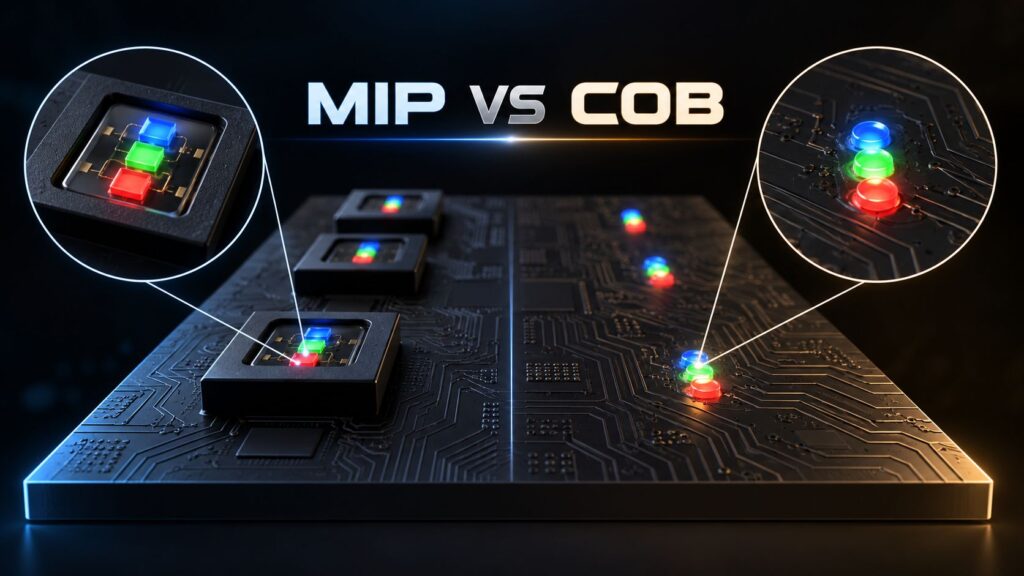
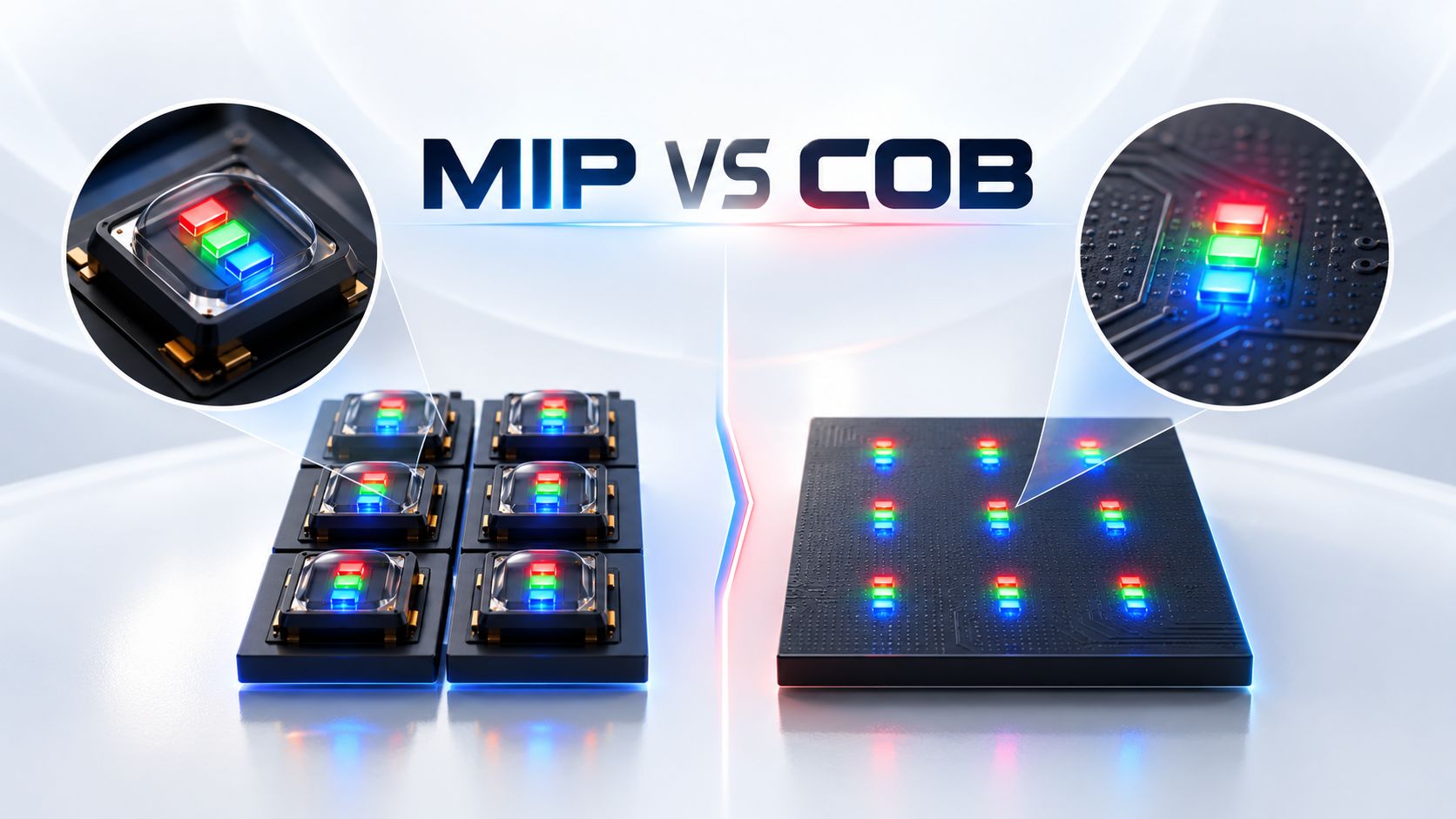
MIP and COB take different approaches to the same goal: creating high-density, durable visual surfaces with consistent image quality. MIP packages microscopic RGB chips as individual components, while COB mounts chips directly onto the printed circuit board and seals them under a protective layer. For buyers evaluating LED screens, the practical question is simple: how do these differences affect image quality, durability, maintenance, and long-term performance once the system is installed?
When Pixels Get Smaller, the Rules Start to Change
Fine Pitch Changes What Viewers Can Notice
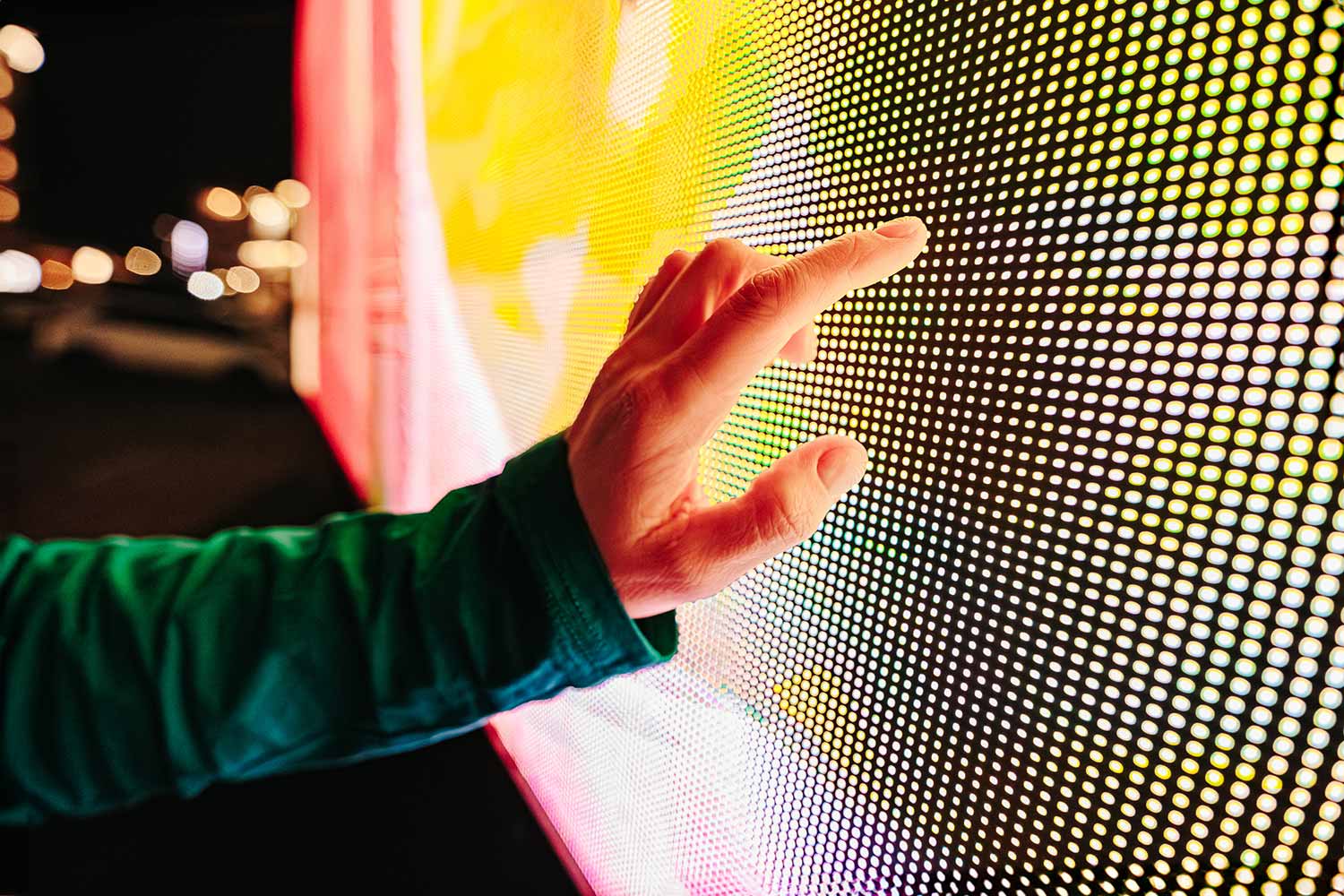
A smaller pixel pitch increases pixel density and allows LED displays to remain sharp at close viewing distances. The tradeoff is that minor inconsistencies become easier to see, from module alignment to diode uniformity and cabinet flatness.
The Spec Sheet No Longer Tells the Whole Story
Two LED video walls can share similar resolution, brightness, and refresh-rate specifications yet perform differently in real environments. Encapsulation influences color consistency, physical protection, serviceability, and optical stability, so specification sheets alone rarely tell the full story.
Close Viewing Raises the Standard
In boardrooms, broadcast studios, control rooms, luxury retail, and other close-viewing spaces, LED display panels for virtual productions must deliver clean detail without visible distractions. At these distances, uniformity and surface quality are no longer premium extras; they directly affect viewing comfort and perceived quality.
Two Different Ways to Build a Tiny Pixel
COB Builds the Display From the Board Up
COB, or Chip-on-Board, mounts microscopic chips directly onto the PCB and covers them with a protective resin or polymer layer. This creates a smooth, highly integrated surface that can improve resistance to impact, dust, and repeated handling in demanding LED walls and LED solutions.
MIP Makes the Pixel a Component First
MIP, or Micro LED in Package, packages RGB chips as standardized micro-components before final assembly. This allows manufacturers to test and sort components earlier in production, providing greater manufacturing flexibility and tighter quality control across LED panels and other fine-pitch assemblies.
Manufacturing Choices Eventually Reach the Customer
The customer may never see the manufacturing process, but its effects become clear over time. Packaging choices influence serviceability, consistency, and durability, which is why the right architecture should match the project rather than follow a one-size-fits-all approach to LED technology.
What Actually Makes a Fine-Pitch LED Wall Look Premium?
Dark Scenes Can Be More Revealing Than Bright Ones
Bright, saturated content can make almost any system look impressive. Dark scenes, subtle gradients, and solid backgrounds are more revealing because they expose weak black levels, uneven calibration, or color inconsistencies across LED walls.
Motion Is Another Test Entirely
Static content does not show everything. Live video, fast motion, and camera capture place additional demands on refresh rate, grayscale performance, and image processing. Smooth transitions and flicker-free output are especially important for LED screens used in broadcast, live production, and presentation environments.
The Room Changes the Screen
Ambient light, windows, spotlights, and changing conditions throughout the day all affect how LED video walls are perceived. Proper brightness management improves readability and viewing comfort while helping avoid unnecessary power use and component stress.
The Real Comparison Starts After the LED Panel Is Installed
What Happens When One Pixel Fails?
Long-term ownership depends on what happens after installation. If a localized issue appears, service access becomes critical. Front-service designs and modular LED panels can simplify maintenance, particularly when LED display panels are mounted directly against a wall and rear access is limited.
Installation Is Part of the Technology Decision
Two LED video walls can share similar resolution, brightness, and refresh-rate specifications yet perform differently in real environments. Encapsulation influences color consistency, physical protection, serviceability, and optical stability, so specification sheets alone rarely tell the full story.
Protection Depends on Where the Display Lives
Environmental conditions should guide the protection level. Appropriate ingress protection, such as IP45 for indoor LED screens or IP65 for outdoor LED walls when required, helps safeguard LED panels against dust, moisture, and daily wear. A strong manufacturer warranty also adds long-term value by supporting the complete system, not just individual LED devices.
Compare Lifetime Value, Not Just Pixel Technology
A useful comparison should go beyond the packaging method itself. For LED walls and LED screens alike, lifetime value depends on the complete system, including:
- Image consistency and color performance
- Installation requirements and structural complexity
- Maintenance access and serviceability
- Long-term reliability and operating stability
- Control infrastructure and processing
- Expected lifespan and energy costs
For LED video walls, LED display panels, and LED displays, the best choice depends on the environment, viewing distance, service requirements, and performance goals. Mirackle helps match the technology to the application, with a focus on reliable performance, practical maintenance, and long-term return on investment.
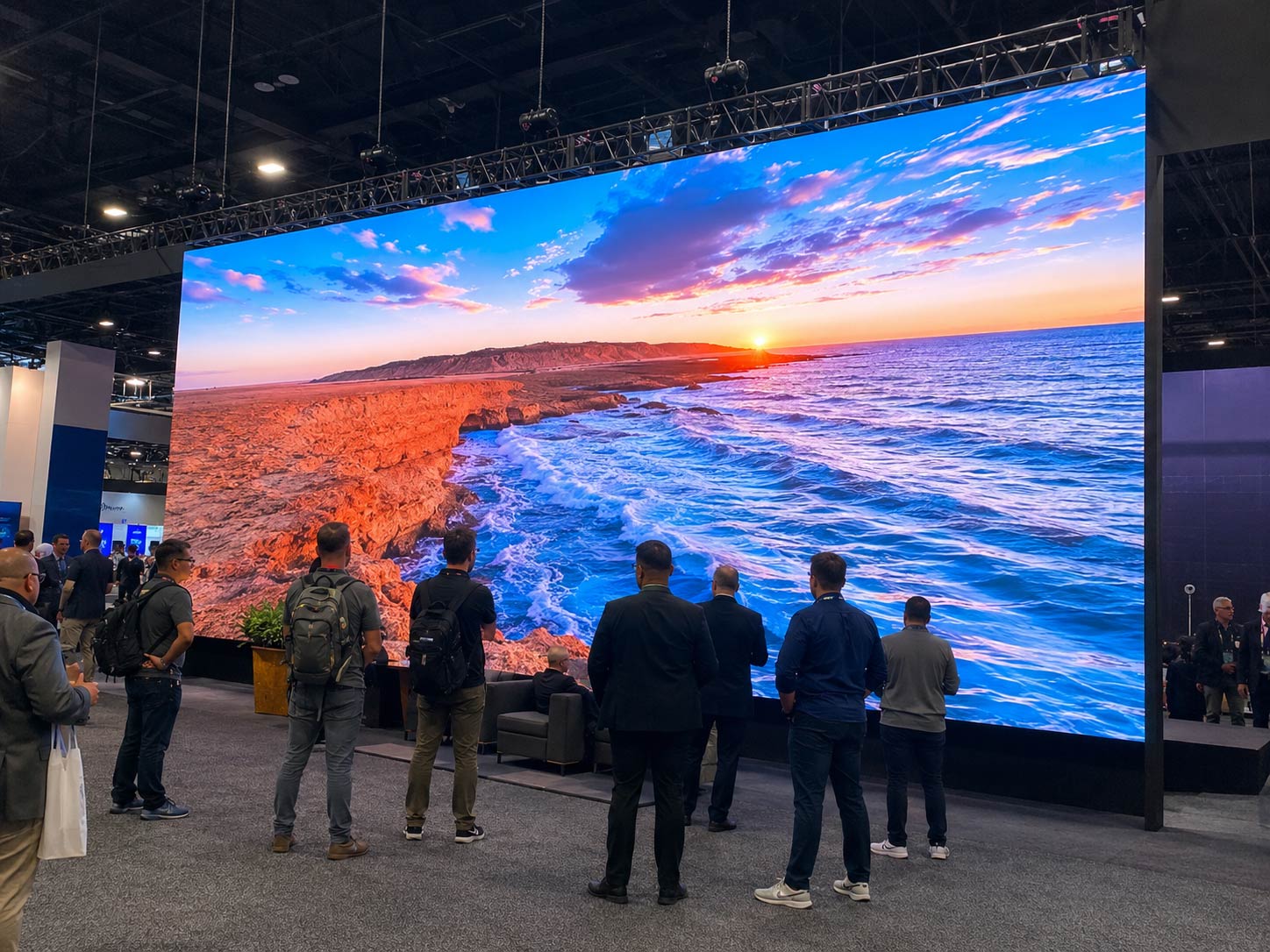
Because for LED video walls, success isn’t judged the day they turn on. It’s judged every day they keep performing without becoming a problem.