
The Science of Pixel Pitch: How Manufacturers Design Displays for Every Viewing Distance
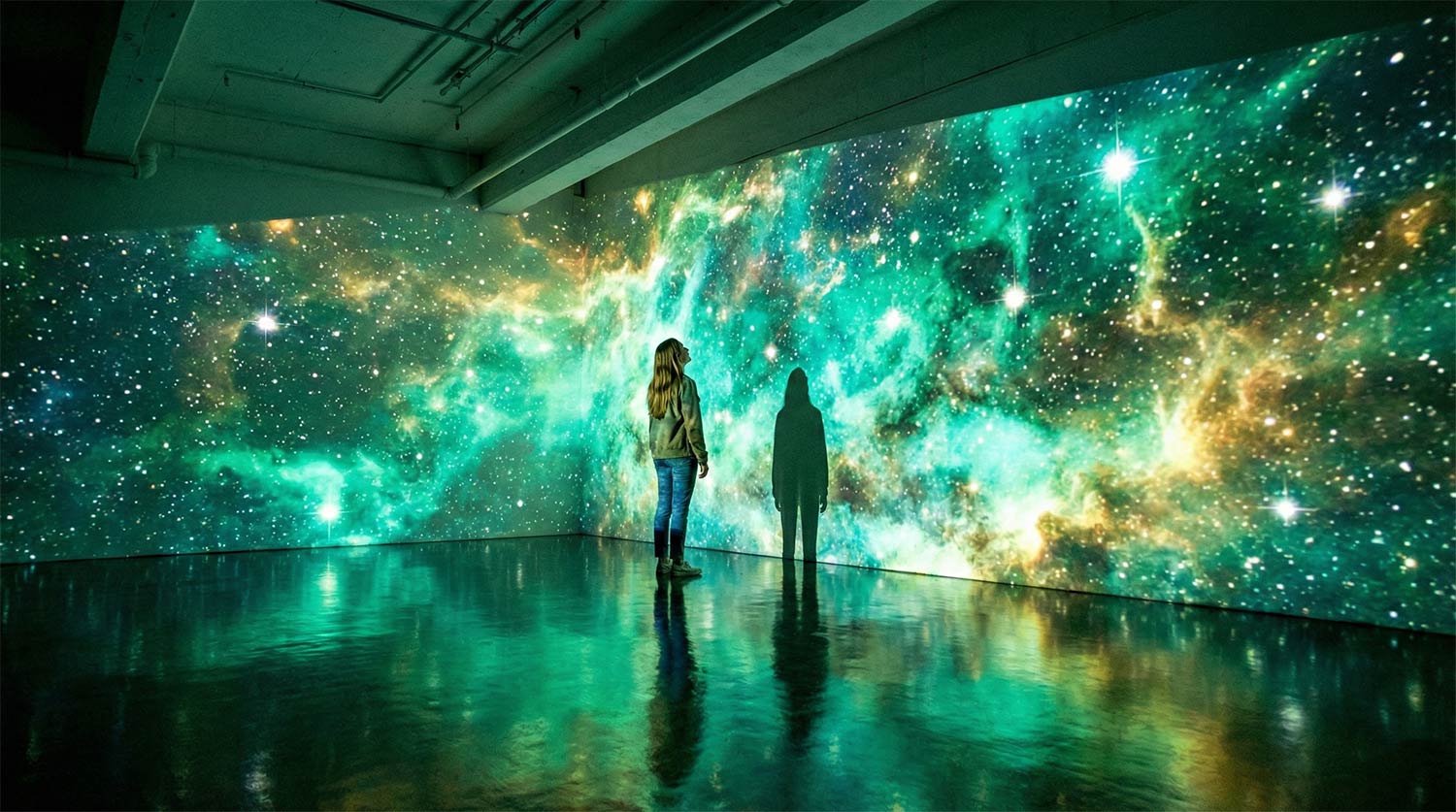
When you enter a room and see a state-of-the-art LED wall, the immediate reaction is usually one of awe. You may notice the size of the screen, the richness of the colors, or the brightness that fills the space. But the detail that decides whether that experience feels crisp, premium, and professional is often less obvious: pixel pitch.
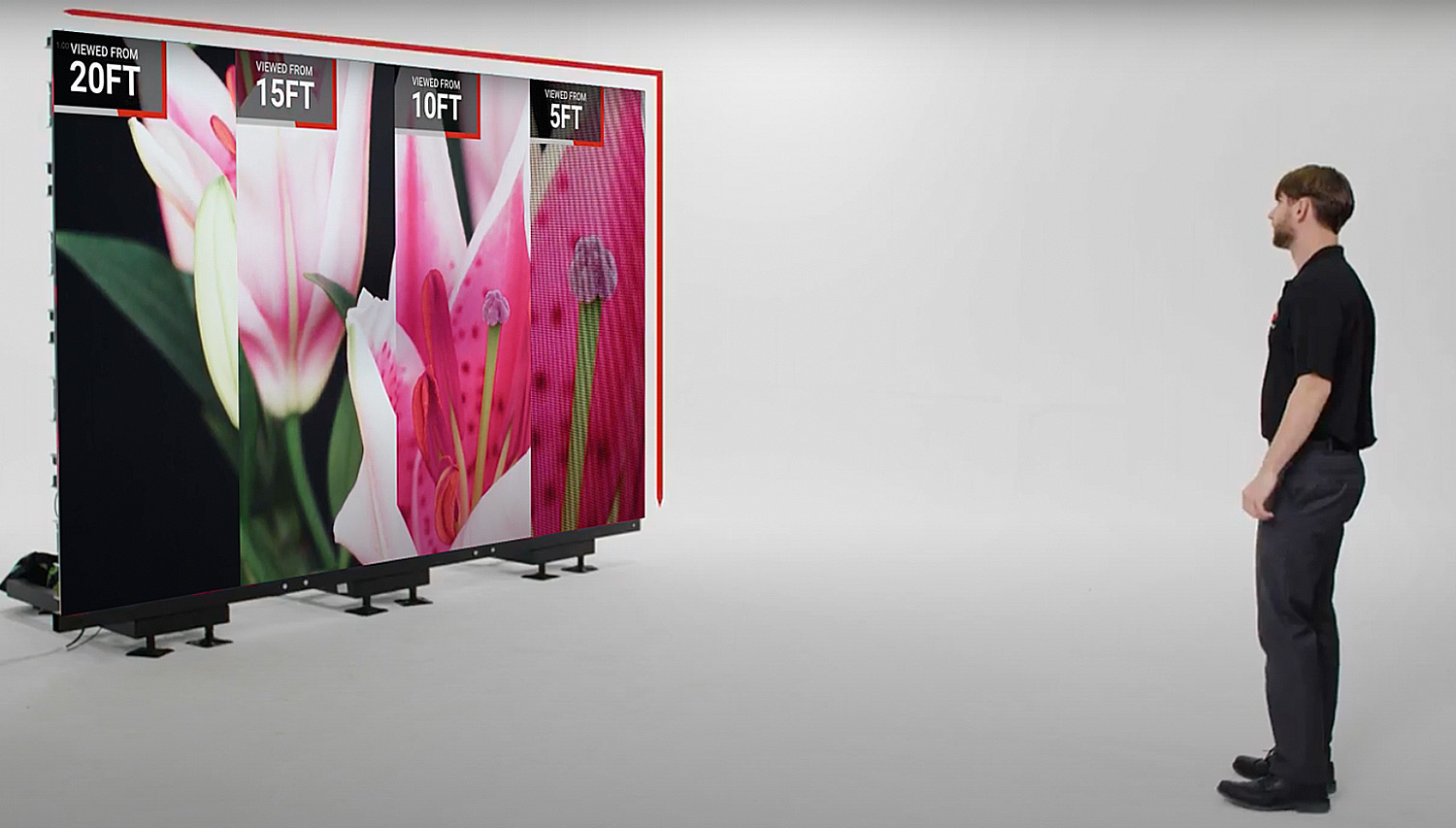
Pixel pitch is more than a technical specification. It is the distance between the centers of two adjacent pixels, and it defines how close viewers can be before the image begins to lose smoothness. When the pitch matches the environment, LED video walls feel sharp and natural. When it does not, viewers may see gaps, grain, or a visible grid instead of a seamless image.
From control rooms that require close-up precision to stadiums where visuals must carry across long distances, manufacturers design every display with viewing distance in mind. Understanding pixel pitch helps buyers choose the right balance of clarity, scale, and long-term value.

Why Pixel Pitch Matters More Than Most Buyers Realize
The first thing viewers notice is not the specification sheet.
People do not experience a screen as a list of numbers. They experience it through comfort, clarity, and visual impact. Pixel pitch shapes that reaction by controlling image density: the smaller the pitch, the more visual detail fits into the same surface area.
This matters because premium quality has a technical foundation. If the pitch is too wide for the viewing distance, the image can appear broken or pixelated. If it is properly matched, custom LED walls deliver a cleaner, more continuous image that supports the message instead of distracting from it.
How manufacturers think about distance before they think about size
For a manufacturer, the design process starts with one question: Where will the closest viewer be? A monitoring center may need a fine pitch under 1.5 mm because operators sit close to critical information. A church, event hall, or large venue may perform beautifully with a wider pitch because the audience is farther away.
A common rule of thumb is simple: a 2.5 mm pitch is generally best viewed from about 2.5 meters or farther. This is not the only factor, but it helps explain why size alone cannot determine quality. A large screen can look impressive from across the room and still feel wrong up close if the pitch does not match the space.
Why the same display can look perfect in one space and wrong in another
Context changes everything. A configuration designed for a luxury showroom would not make sense on a high-rise exterior facade, while a stadium-sized setup would look rough inside a TV studio.
In a stadium, viewers are usually far away, so an ultra-fine pitch may add cost without adding visible value. In a studio, the camera sits close and captures detail aggressively, so a wider pitch can create moiré, blur, or visible pixel structure. The best manufacturers do not simply recommend the most expensive option; they recommend the right tool for the viewing distance, content, and environment.
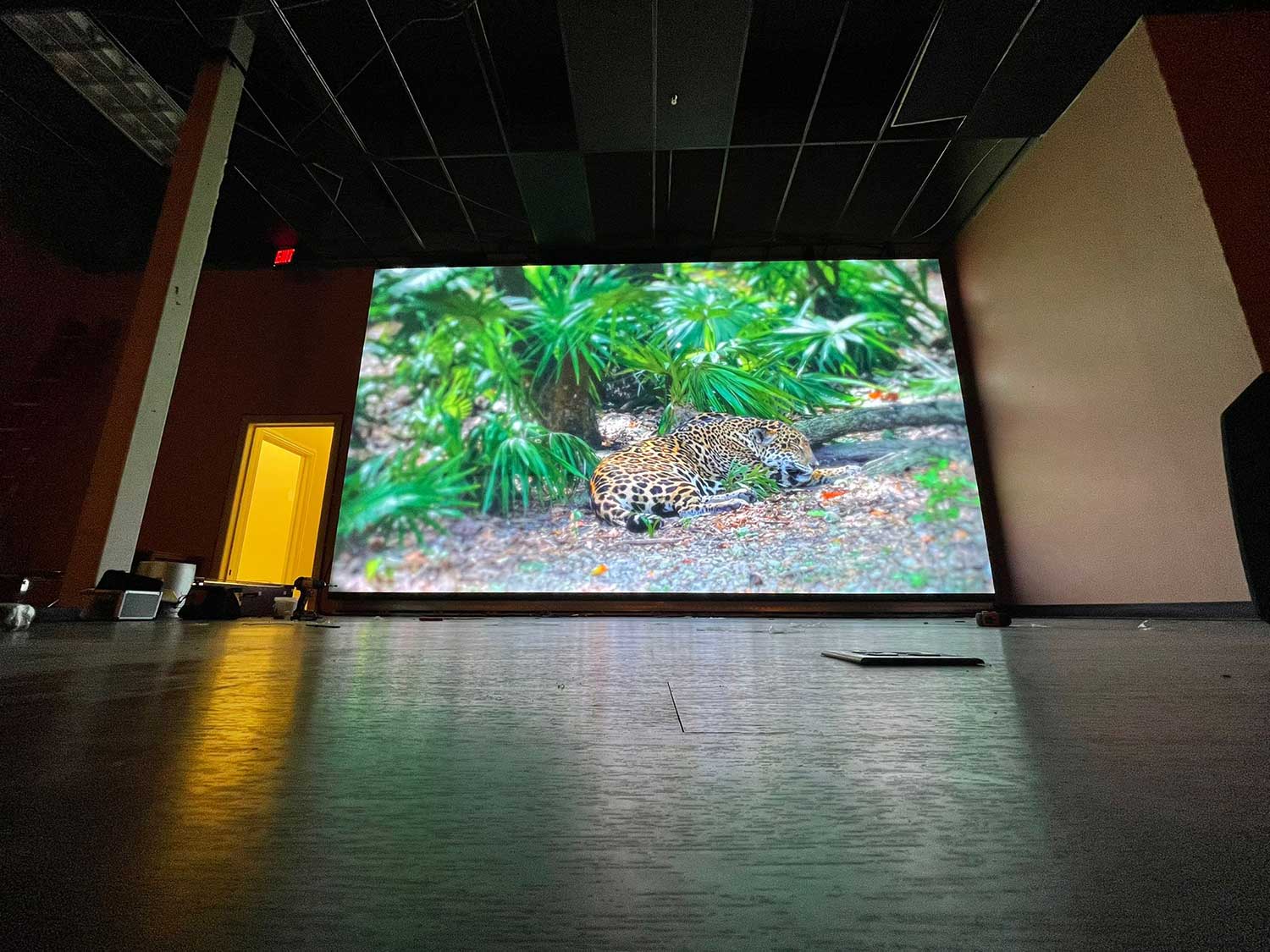
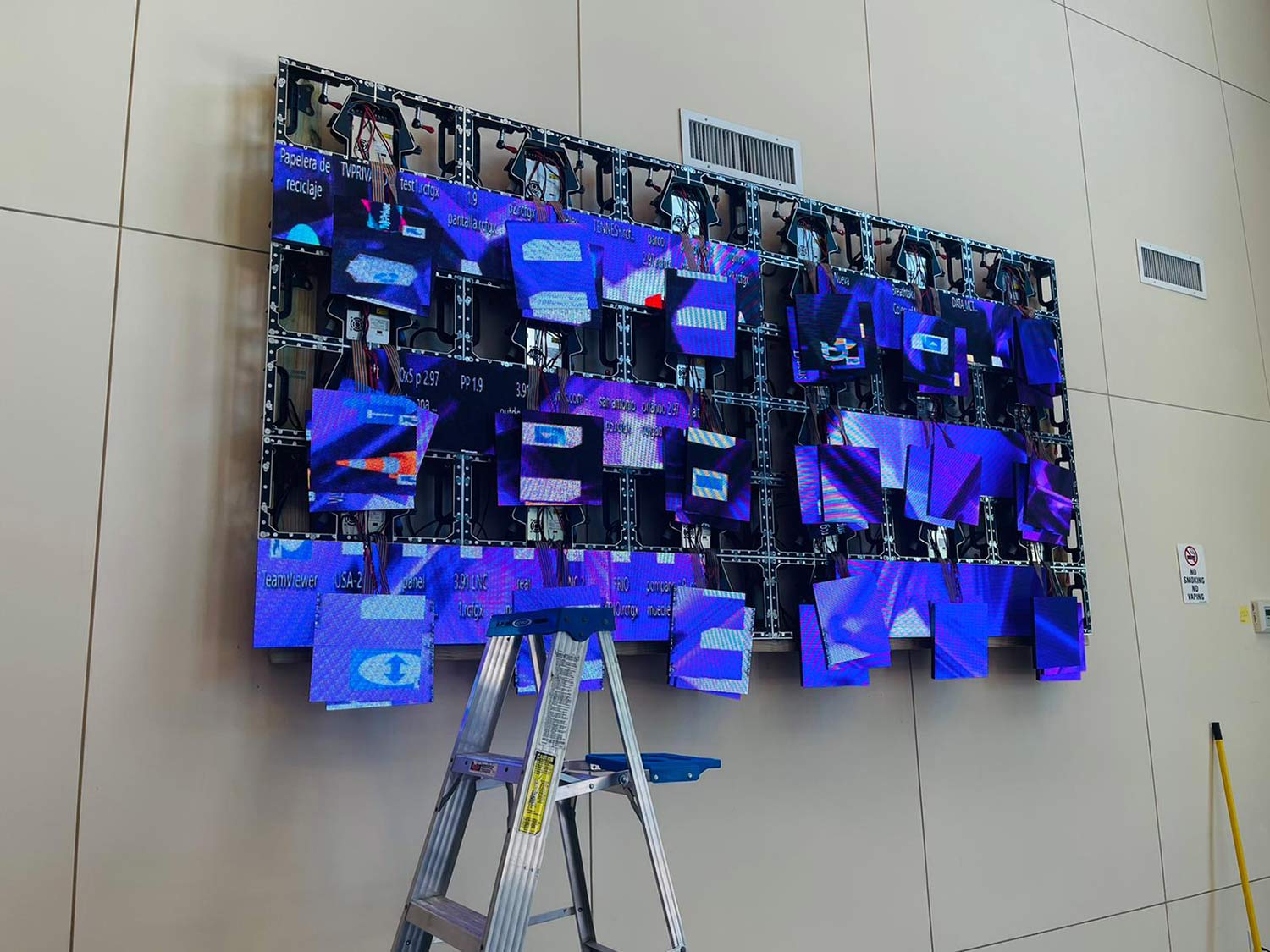
Designing LED Video Walls Starts With Context
Indoor environments demand precision at closer viewing ranges.
Indoors, details matter. Corporate lobbies, control rooms, retail interiors, studios, and houses of worship often need a finer pitch because viewers interact with the content at closer range. In these spaces, LED display panels below 2.5 mm can help text, graphics, and video appear smooth and polished.
Refresh rate also matters, especially in studios, live events, and camera-facing environments. A strong refresh rate reduces flicker and helps motion look natural, which protects the quality of the brand on camera and in person.
Outdoor screens are engineered for scale, light, and durability.
Outdoors, the priorities change. Viewing distances are longer, sunlight is stronger, and the equipment must resist weather. Wider pitches, often from 3.9 mm to 10 mm or more, can still deliver clear messaging because the audience is usually across a street, in a vehicle, or seated far from the structure.
Outdoor LED panels are typically built with weather-resistant protection, high brightness, and automatic brightness adjustment. That combination keeps the image visible during the day while reducing glare at night. The goal is not maximum resolution at any cost; it is the right resolution for the real viewing conditions.
Matching pixel pitch to audience: better results, better ROI
Choosing pixel pitch is also a financial decision. Overspending on a pitch the audience cannot appreciate is common, especially when buyers focus only on specifications instead of distance.
If a 4 mm pitch looks as clear as a 2 mm pitch from the actual viewing area, the smarter choice may be to invest the savings in a larger format, stronger processing, better installation, or additional support. Strong ROI comes from balance: enough detail to communicate clearly, enough durability to last, and no unnecessary cost hidden in resolution the human eye cannot perceive.
Pixel Pitch Also Shapes the Technology Behind the LED Screen
Visual performance depends on more than dot spacing
Pixel pitch is central to clarity, but it works alongside other components. Calibration keeps color and brightness uniform across modules. Refresh rate supports smooth motion. Grayscale performance helps darker scenes retain depth instead of looking flat.
The LED mask and viewing angle also influence how the image looks from the sides, which is especially important in wide rooms, retail spaces, and event venues. This is why manufacturers evaluate the complete system, not only the distance between pixels.
Control systems help unlock the full potential
Strong hardware needs a reliable control system. Platforms such as NovaStar help turn pixel density into a stable, synchronized image by managing signal flow, processing, mapping, and real-time playback.
For live broadcasts, low latency and consistent synchronization are essential. For scheduled content, an asynchronous setup may be enough. Either way, the processor and sending equipment must support the scale and resolution of the project so LED displays perform without lag, signal errors, or visible inconsistencies.
Modern LED walls, multiple platforms, and hardware setups
Modern LED displays are often part of a larger digital ecosystem. They may connect to laptops, media servers, professional switchers, cameras, scheduling tools, and remote management software.
That flexibility is valuable because daily operation should feel simple, even when the system behind it is advanced. Whether the project is built for a showroom, stage, worship space, or broadcast environment, integration determines how easily teams can manage content after installation.
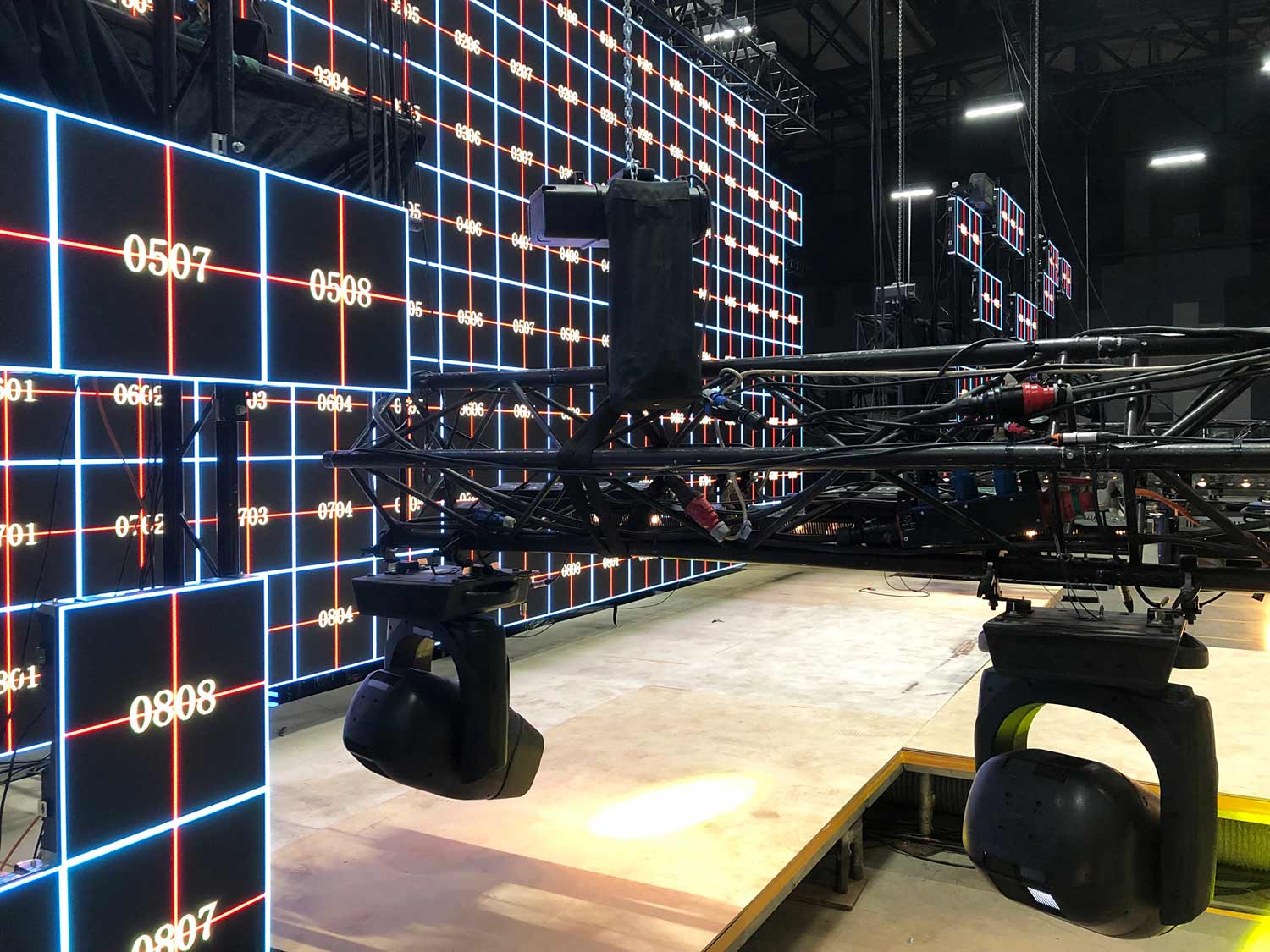
Different Pixel Pitch Ranges Serve Different Industries
Fine pixel pitch for close-up environments
Fine pixel pitch is ideal for environments where viewers or cameras are close to the image. Premium retail, corporate rooms, TV studios, virtual production, and close-range worship spaces often require pitches around 1.2 mm to 1.8 mm.
At this range, small text is easier to read, image edges look smoother, and camera-facing content can appear more refined. The Mirackle Fine-Pitch LED series is a strong fit for projects that need high visual precision without losing the scale and impact of LED technology.
Mid-range options for versatile commercial spaces
Mid-range pitches, typically from 2.5 mm to 3.9 mm, offer a practical balance between image quality and budget. They work well in auditoriums, showrooms, hospitality spaces, schools, churches, and event venues where audiences usually view the content from a moderate distance.
This category is often the most flexible because it supports presentations, video, branding, and live content without over-specifying the system. For example, a Mirackle P2.9 Indoor setup can provide crisp visuals for worship services, corporate presentations, or stage content while keeping the investment efficient.
Larger pitch solutions for outdoor visibility
For advertising, sports venues, roadside signage, and building facades, wider pitches are often the smartest option. The goal is visibility at scale, especially when viewers are far away or moving.
In these cases, brightness, weather resistance, and reliability matter as much as resolution, and LED display panels must be engineered for constant exposure. A solution such as the Mirackle P5mm Outdoor can support large-format messages with strong visibility, efficient performance, and the durability required for exterior use.
Better Partner, Smarter LED Display Design
The difference between a standard product and a strategic solution is application-driven design. Manufacturers that understand real viewing conditions can match pixel pitch, brightness, refresh rate, service access, and control systems to the purpose of the project.
Mirackle stands out through a consultative approach that connects product engineering with business goals. Instead of treating every project the same, the team considers the audience, installation type, content, lighting, and long-term maintenance needs. That makes it easier to select LED screens that look professional on day one and remain practical over time.
A smarter approach to pixel pitch leads to better buying decisions. Buyers avoid paying for unnecessary resolution, protect image quality where it matters, and choose components that support the expected life of the project.
Choosing the right LED solutions requires more than comparing model numbers. It requires a partner that understands how distance, content, and environment shape the final experience. With Mirackle, organizations can invest in LED screens and LED devices designed to make every message feel clear, polished, and built for the space.
Because for LED video walls, success isn’t judged the day they turn on. It’s judged every day they keep performing without becoming a problem.