
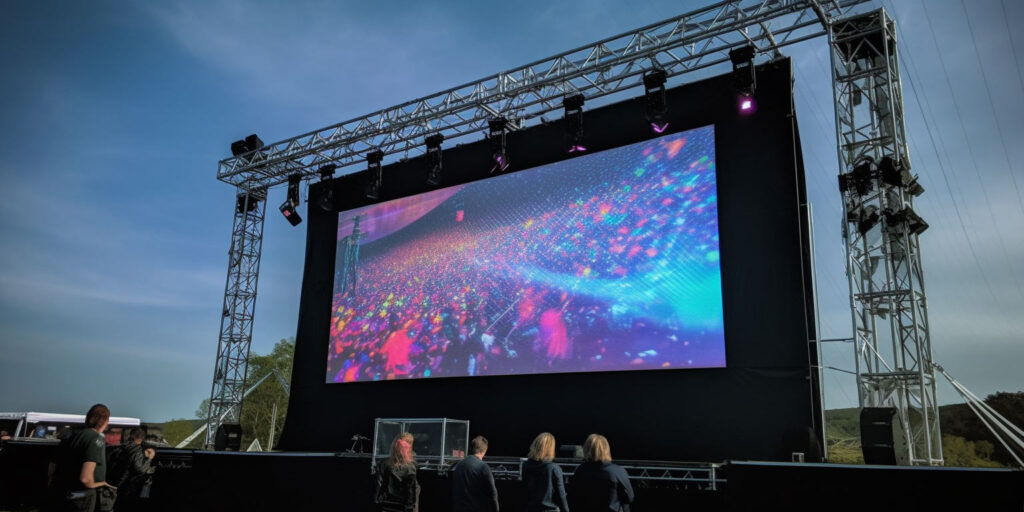
Outdoor screens have to do much more than look bright on the day they are installed. In real conditions, they face heat, rain, dust, shifting daylight, long operating hours, and constant exposure to public spaces. That is why outdoor durability is never about one feature alone. It comes from how the entire system performs over time.
A reliable outdoor LED video wall has to balance visibility, protection, installation strategy, service access, control, and cost. Pixel Pitch matters, but so do view angle, Refresh Rate, Resolution, and Autoadjustable brightness. The control setup matters too, whether the system uses a video processor, a Novastar sending card, or synchronous and asynchronous control depending on the application. Even practical details like full front service, magnetic modules, lightweight cabinet design, and the installation method affect long-term results.
For venue owners, municipalities, advertisers, sports facilities, event organizers, and integrators, the real concern goes beyond weather resistance. The question is whether the screen will keep performing, stay manageable to maintain, and continue delivering ROI over the years.
Why Outdoor LED Displays Need More Than Just Brightness
At first, many outdoor projects can seem similar. A large screen may look like a straightforward purchase. In reality, that assumption often leads to poor decisions. Outdoor environments vary widely, and two projects that appear similar on paper can require completely different engineering once location, content, and operating conditions are taken seriously.
A roadside billboard, a stadium display, a shopping center installation, and a live event backdrop all face different combinations of sunlight, moisture, wind, viewing distance, and audience behavior. Some need clear readability from far away. Others need to handle motion graphics, live video, or content that changes throughout the day. Durability starts with understanding the environment, not simply choosing a screen size.
That is also why brightness alone is not enough. It may be the first thing buyers ask about, and it certainly matters, but long-term performance depends on much more. Image consistency, response to changing ambient light, cabinet design, structural stability, and serviceability all play a role in whether an outdoor screen remains dependable or becomes expensive to manage.
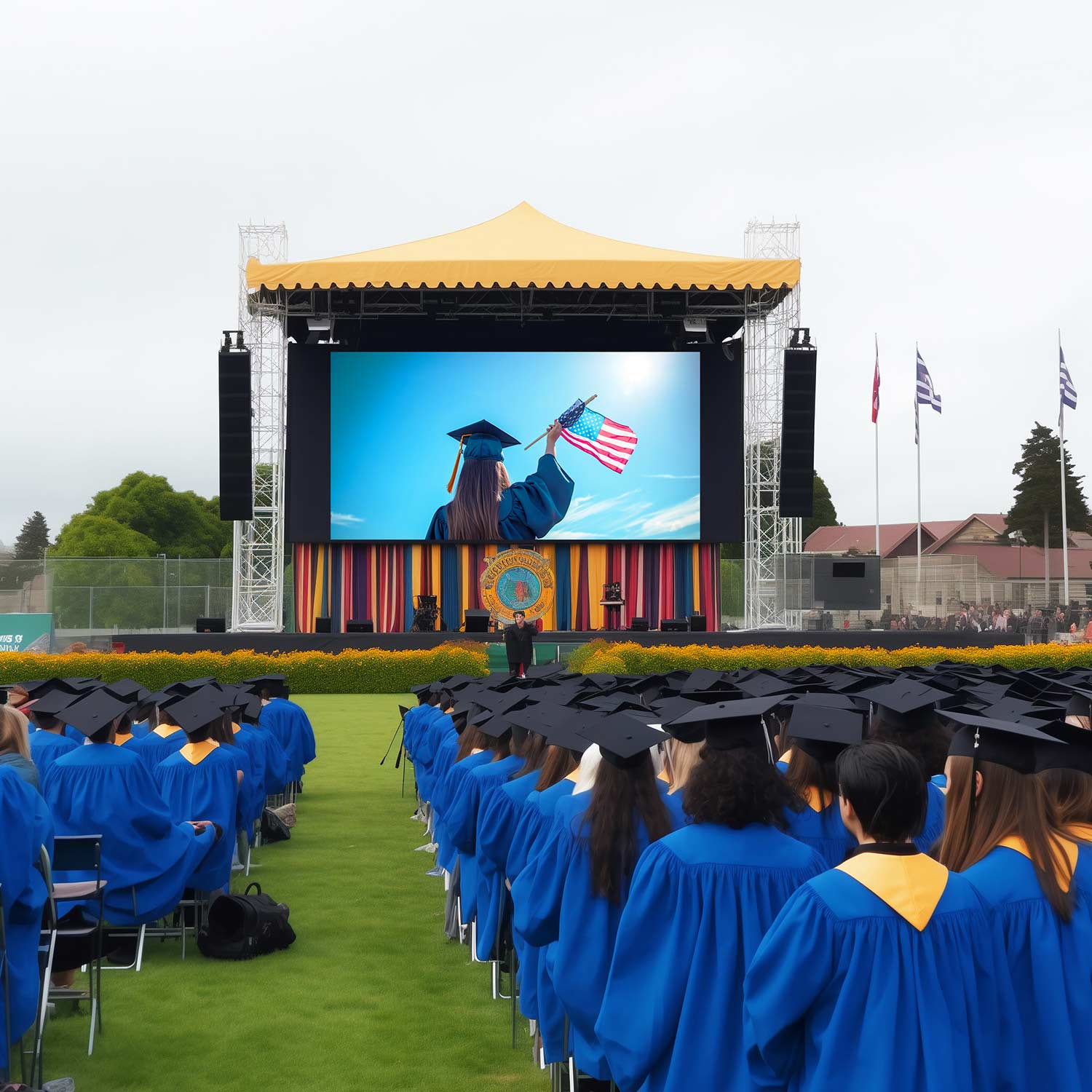
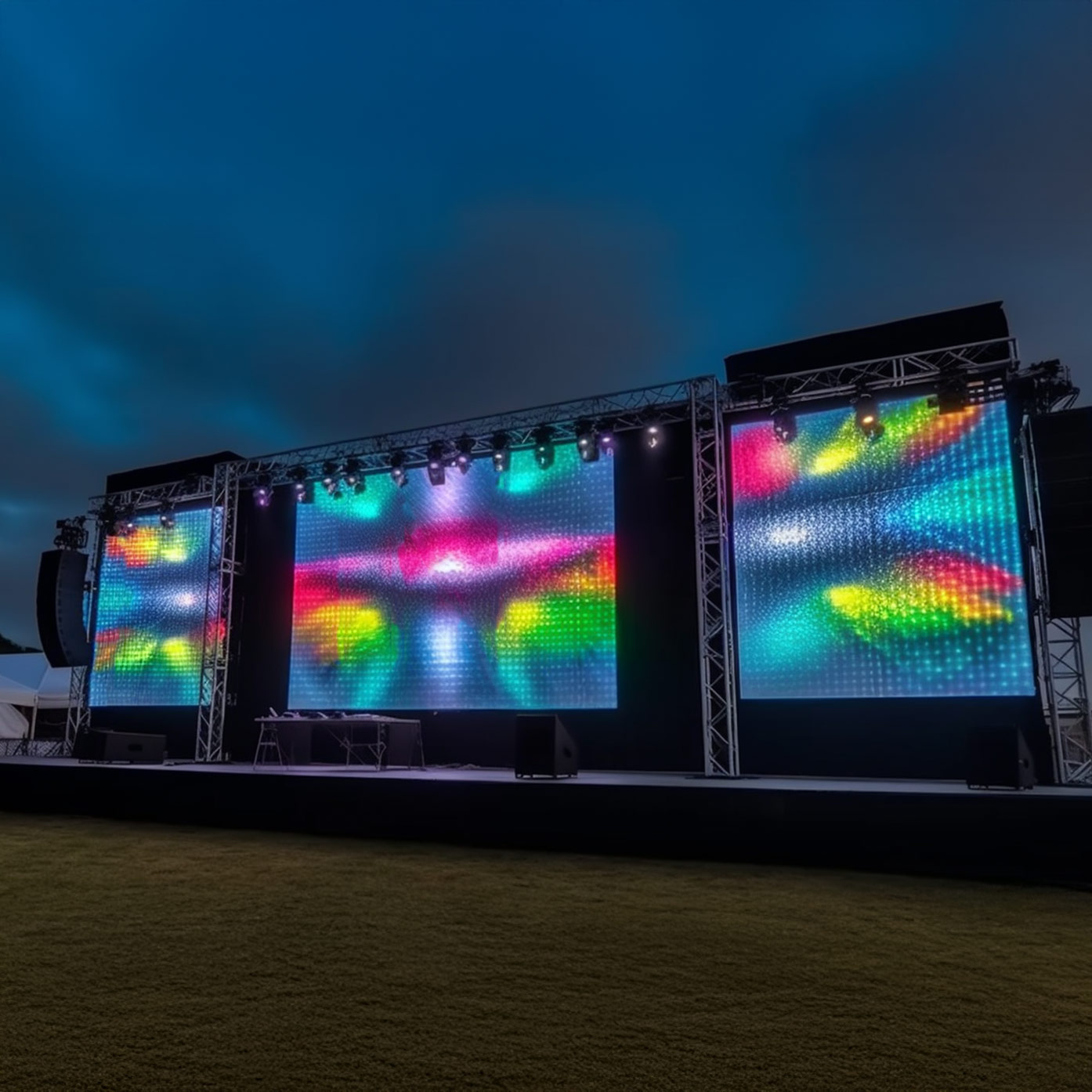
Outdoor LED Walls Behave Differently Depending on Where They Are Installed
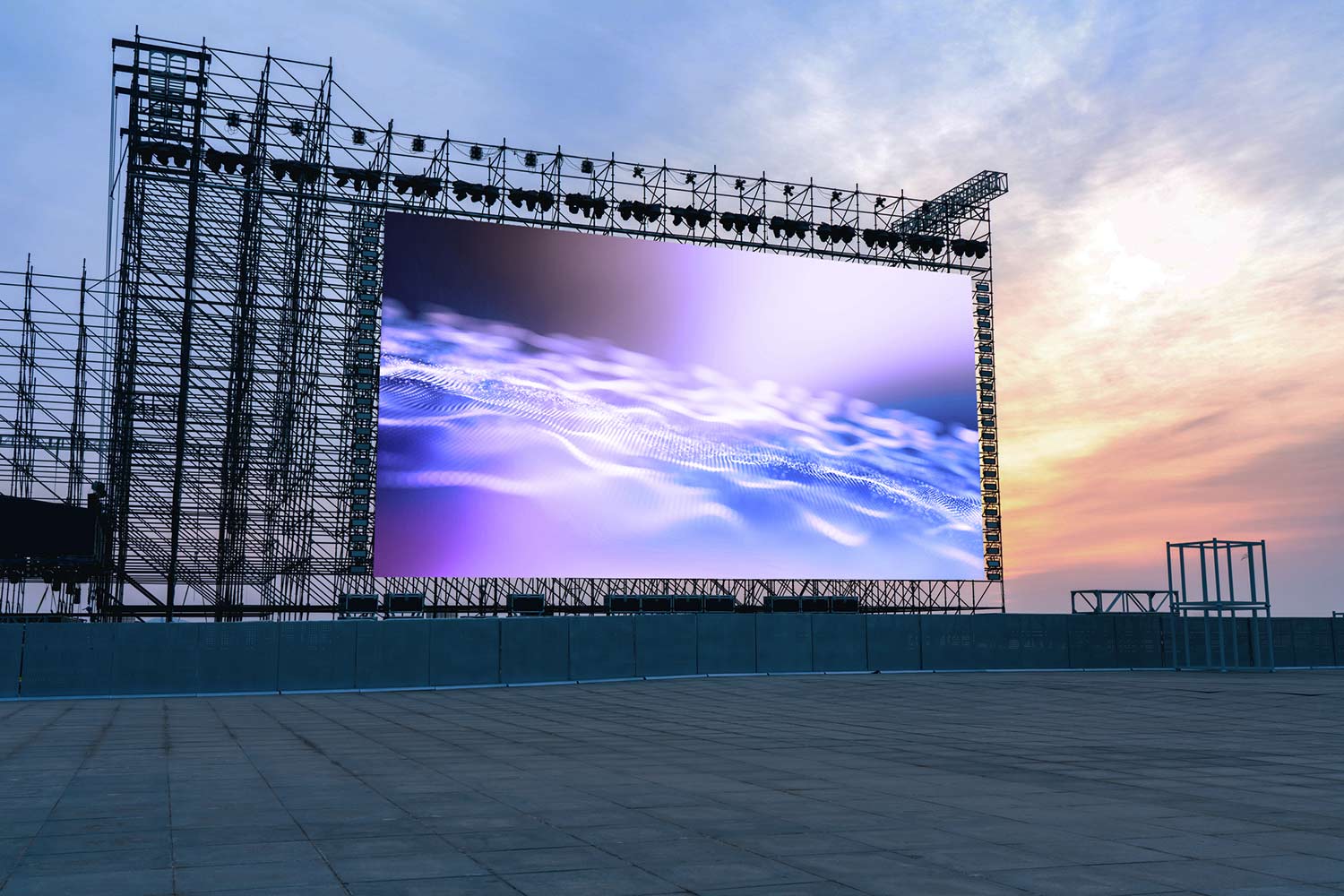
Every outdoor location puts different pressure on a screen. The same type of product can perform very differently depending on whether it is built for traffic visibility, public crowds, architecture, or temporary production use.
Roadside and Billboard Applications
Roadside displays are usually viewed from farther away, which changes the way the screen should be specified. In these projects, a tighter Pixel Pitch is not always the best use of budget. What matters more is matching the pitch to the real viewing distance so the message is easy to read quickly and clearly.
That is why big LED video walls for malls often prioritize durability, readability, and stable operation more than extremely fine detail. The content is usually simple and bold, so dependable Resolution, steady brightness, and a wide view angle in the 140° to 160° range often matter more than excessive pixel density.
Sports Venues and Large Public Spaces
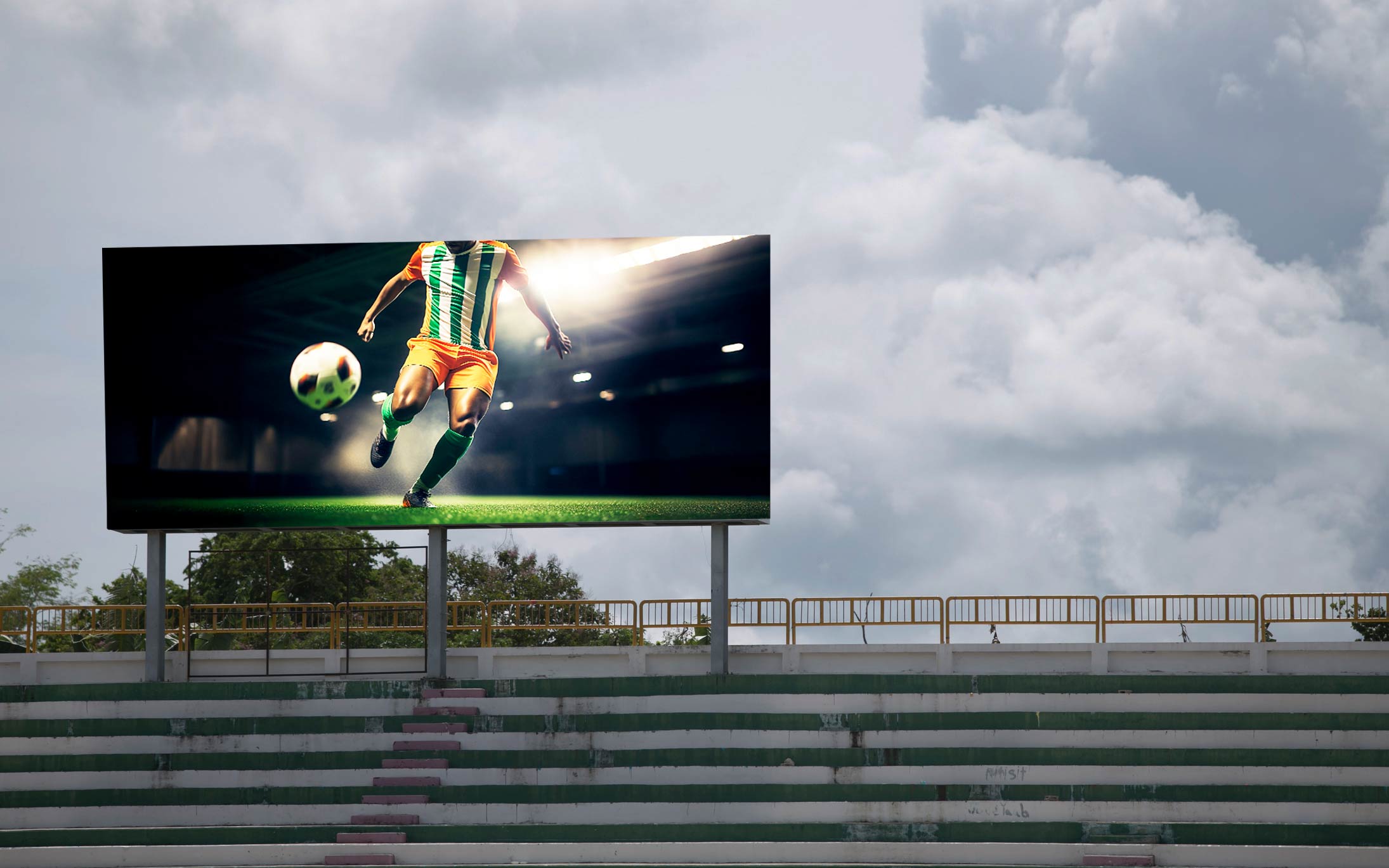
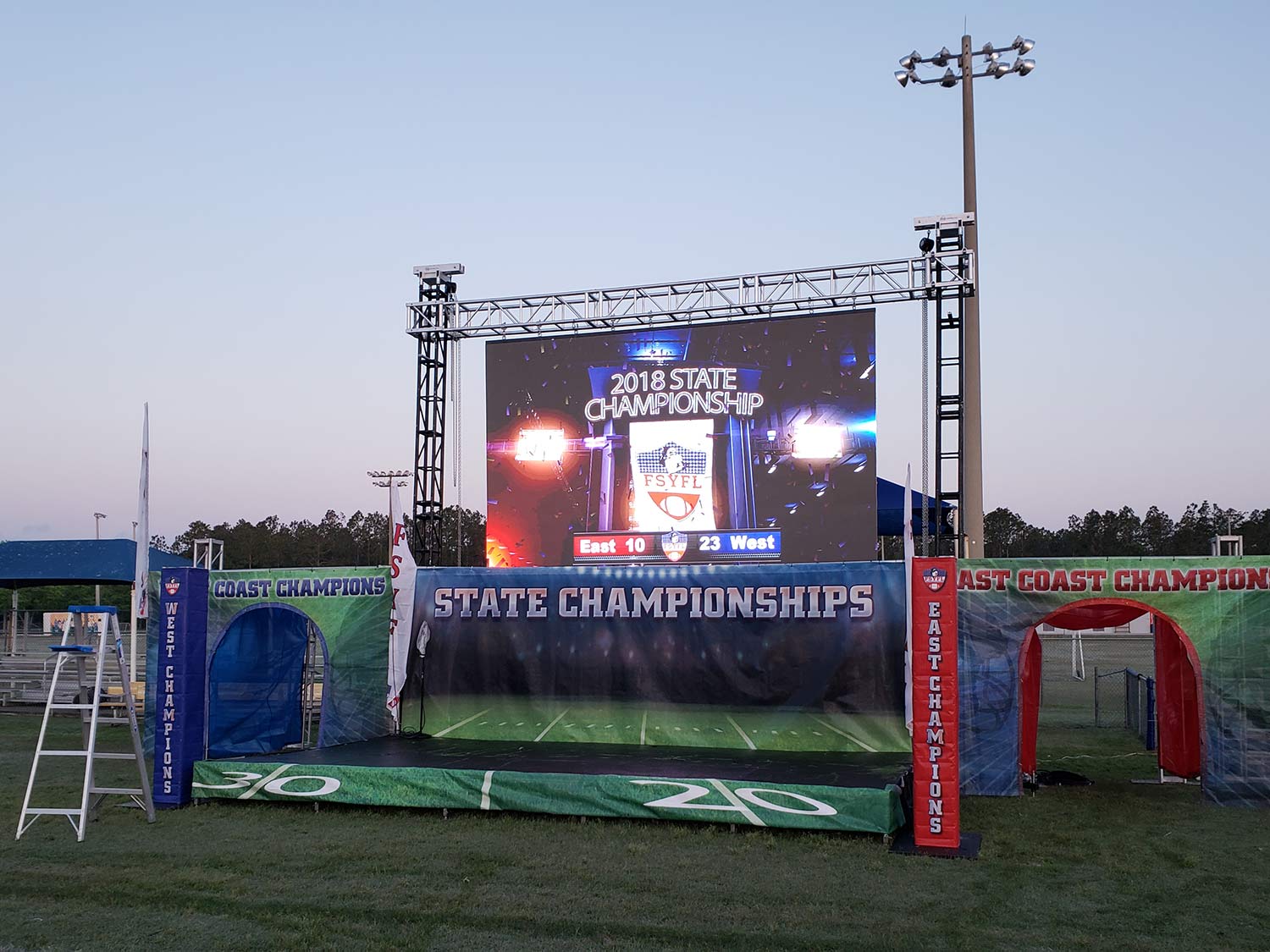
Sports venues ask for a different level of performance. These LED displays for sports and entertainment often need to handle live video, replays, sponsor content, announcements, and fast-moving graphics while thousands of people are watching. In this environment, performance under pressure matters just as much as weather protection.
This is where Refresh Rate, system coordination, and content handling become especially important. A properly configured video processor, paired with a Novastar sending card and a stable control setup, helps keep playback smooth and reliable.
In sports and civic projects, success often depends on more than the screen itself. Daily reliability is closely tied to how well the broader control system is designed and managed.
Outdoor Stages, Events, and Temporary Setups
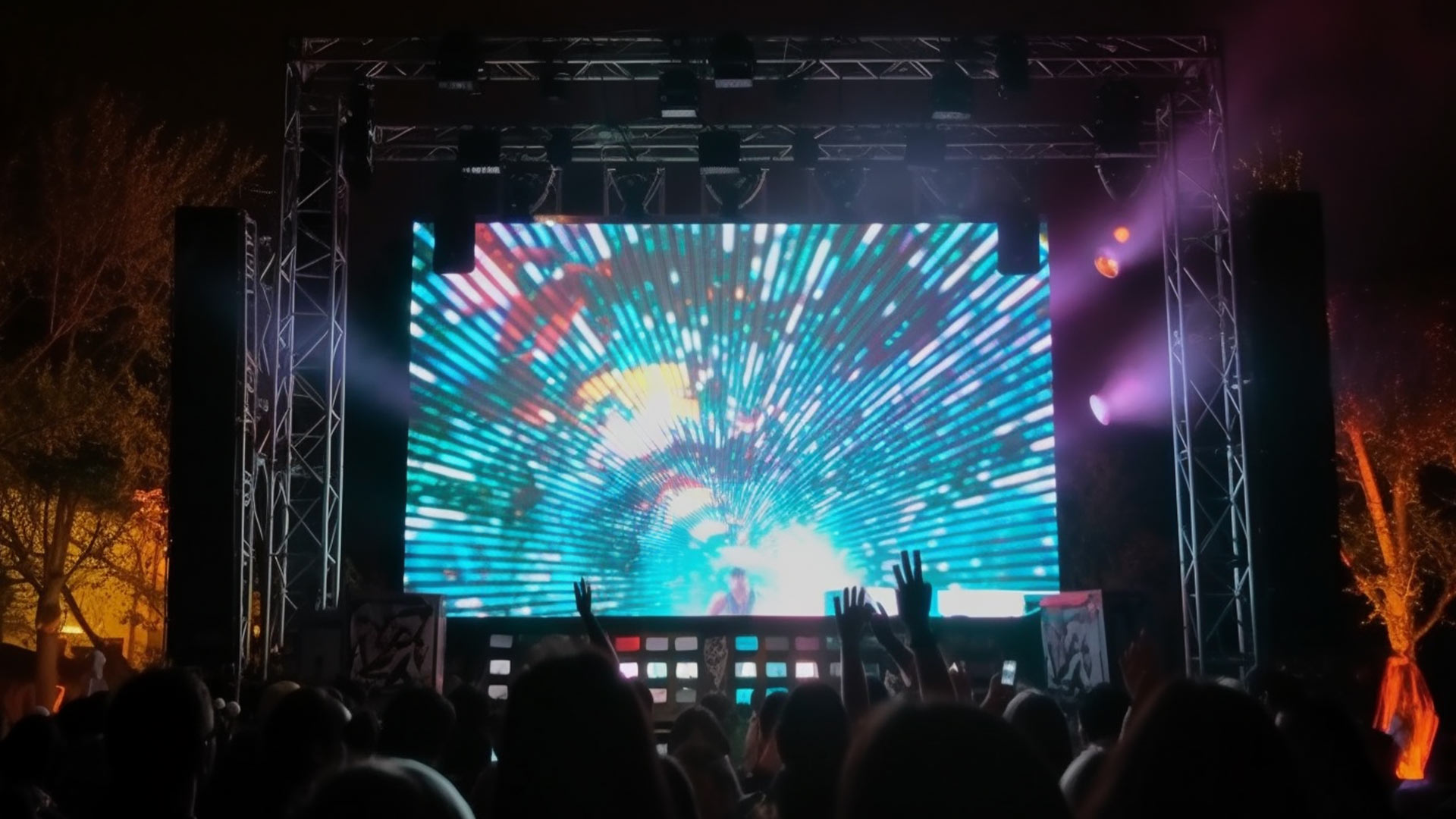
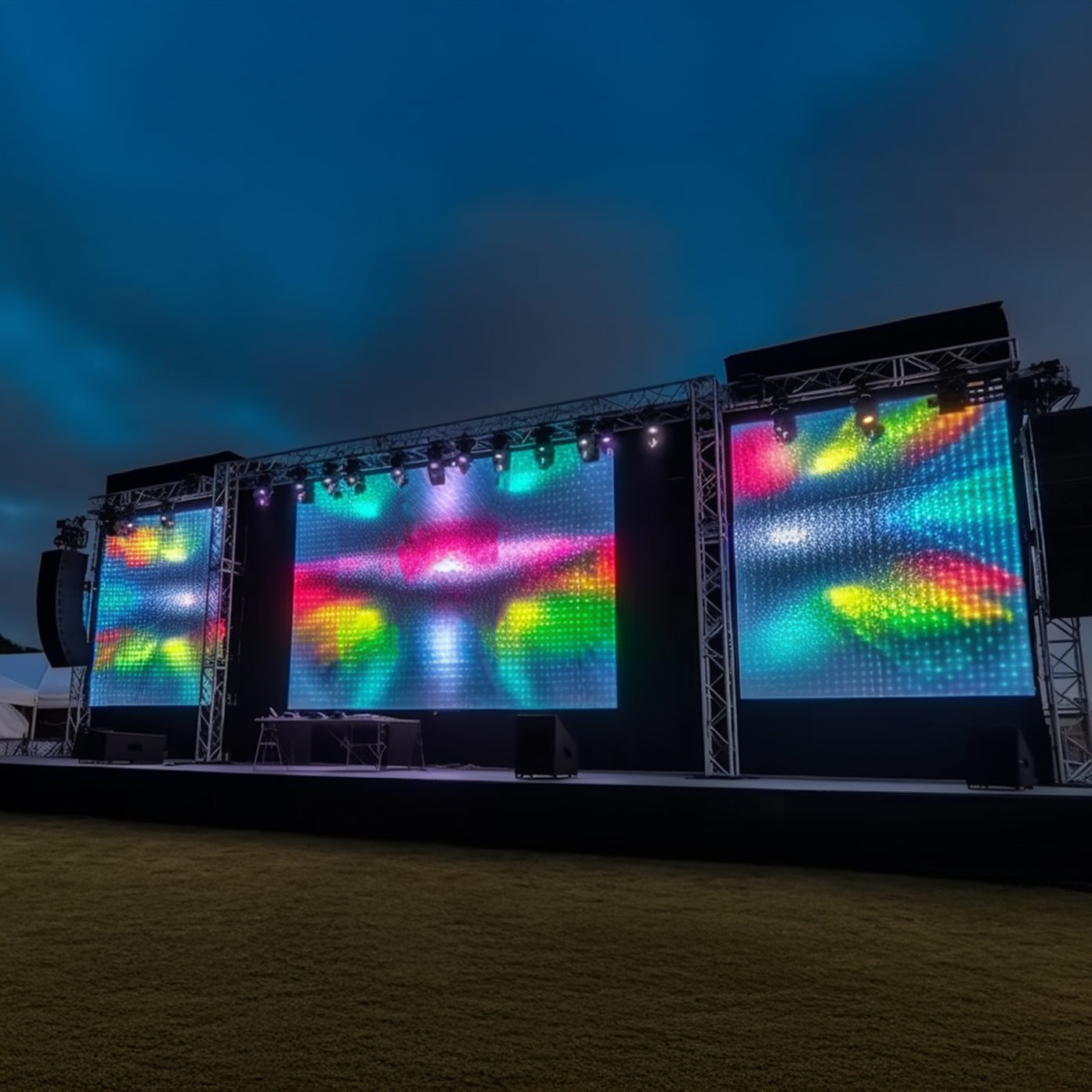
Temporary outdoor projects operate under a different kind of pressure. Event teams need more than image quality. They need speed, flexibility, and equipment that works without slowing down the schedule.
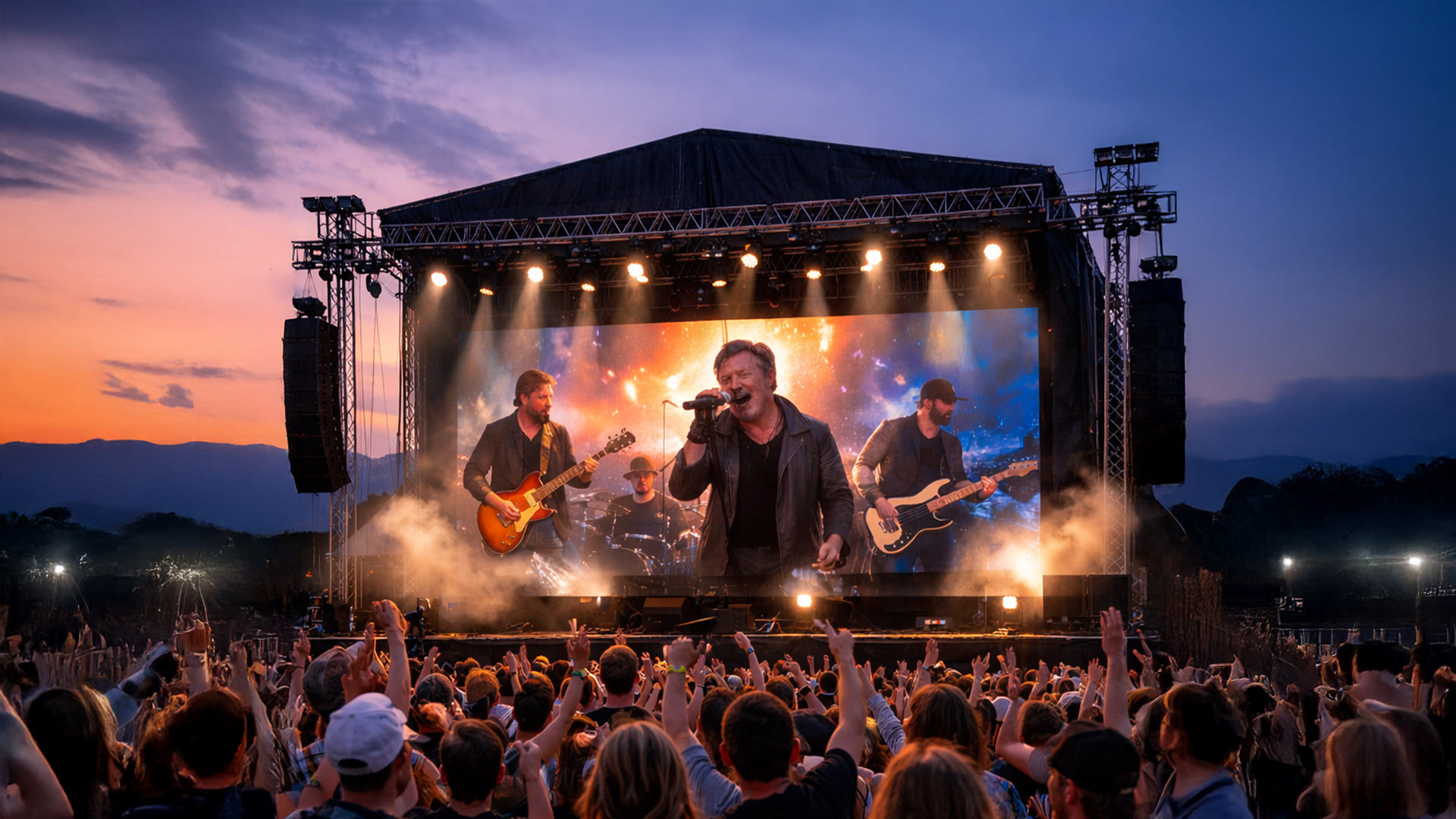
Lightweight cabinets can make a major difference. They simplify transport, reduce strain during setup, and help crews move faster. Serviceability matters just as much in the field, which is why full front service and magnetic modules are such practical advantages. If something needs attention, the team can respond quickly without turning a tight production schedule into a technical problem.
In these environments, durability is not just about resisting weather. It is also about handling repeated assembly, breakdown, transport, and fast adaptation from one venue to another.
Building Façades, Retail Exteriors, and Fixed Architectural Displays
Architectural installations add another level of complexity. When a screen becomes part of a building’s appearance, the decision is no longer purely technical. The display has to perform well, but it also has to feel intentional within the space.
A screen may need to blend into the architecture rather than look added on afterward. In those cases, maintenance planning becomes part of the design from the start. Service strategy, cabinet depth, access points, and structural placement all affect how the installation will perform over time.
This is where outdoor LED display panels often require more planning than buyers expect. The goal is not only to produce a strong image, but to do so in a way that protects brand presentation, preserves service access, and supports daily use without constant interruptions.
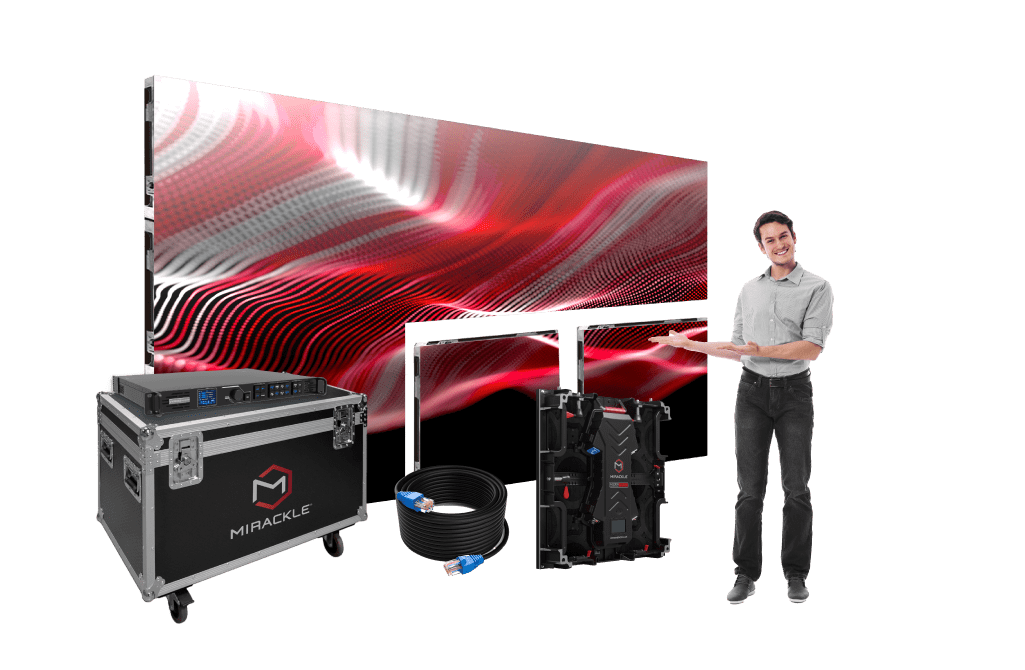
Collaborate With Our Team to Offer Turnkey LED Solutions – From Product Supply to Technical Guidance.
Installation Strategy Has a Direct Impact on Durability
Outdoor reliability does not begin when the screen powers on for the first time. It starts much earlier, with structural planning, service access, and the way the system is positioned in the environment.
The Structure Behind the Screen Matters as Much as the Screen
A waterproof outdoor LED wall system depends on more than cabinet quality. That is why the installation method should never be treated as a secondary detail.
Some projects work best with ground support, especially when they need a freestanding structure and clear service access. Others make more sense as wall-mounted systems, particularly when the architecture allows the display to become part of the façade. Event-based projects may rely on the flown method, where temporary rigging and flexibility are central to the design. Each option comes with its own maintenance reality, and each affects long-term stability differently.
Choosing the right method is not just about where the screen will go. It is about how that system will behave after months and years outdoors.
Service Access Should Be Planned Before the Screen Is Installed
Many outdoor issues are not caused by screen failure. They come from poor access planning. When technicians cannot easily reach the right components, even routine maintenance can become slow, costly, and disruptive.
That is why service strategy should be part of the engineering discussion from the beginning. Features like full front service and magnetic modules help teams work more efficiently, but they are most useful when they fit the actual conditions of the site. In a tight façade installation, for example, serviceability may be just as important as image quality.
Lightweight Design Can Solve Real Project Challenges
Weight is often underestimated until it becomes a problem. In practice, lighter systems can make outdoor projects more realistic when transport, structural load, and installation speed are all important.
A lightweight design can reduce support requirements, simplify logistics, and help teams work more efficiently in difficult locations.
Of course, lightweight does not mean weak. Well-engineered outdoor durable LED panels can combine lower weight with solid durability when cabinet construction, environmental protection, and service access are designed as one complete system.
Building Outdoor LED Systems That Truly Last
Outdoor LED projects last when the right decisions are made early. They are not built around one isolated feature, and they are rarely defined by brightness alone. The strongest results come from balancing protection, content control, installation method, service access, and real operating goals.
That same balance protects ROI. Buyers who choose the right Pixel Pitch for viewing distance, the right brightness response for changing daylight, and the right control setup for how content will actually be managed usually get more value over time. The difference between IP45 and IP65 matters because outdoor conditions are not all the same. The same applies when choosing between synchronous and asynchronous systems, depending on whether the display needs live content control or more independent playback.
Confidence after installation matters too. Outdoor buyers are not only purchasing a screen. They are choosing a long-term support model. A 5 year warranty means more when it is backed by a team that understands manufacturer-level decisions, supply realities, maintenance strategy, and the real demands of outdoor installations.
That is where Mirackle stands out. As a manufacturer, supplier, specialist, and long-term partner for outdoor LED video walls, the company approaches durability from a broader perspective. Mirackle brand panels are built not only for outdoor performance, but for the full reality of ownership: reliable protection, practical serviceability, modern control, and the kind of consistency that makes an outdoor investment worthwhile.
Because for LED video walls, success isn’t judged the day they turn on. It’s judged every day they keep performing without becoming a problem.