
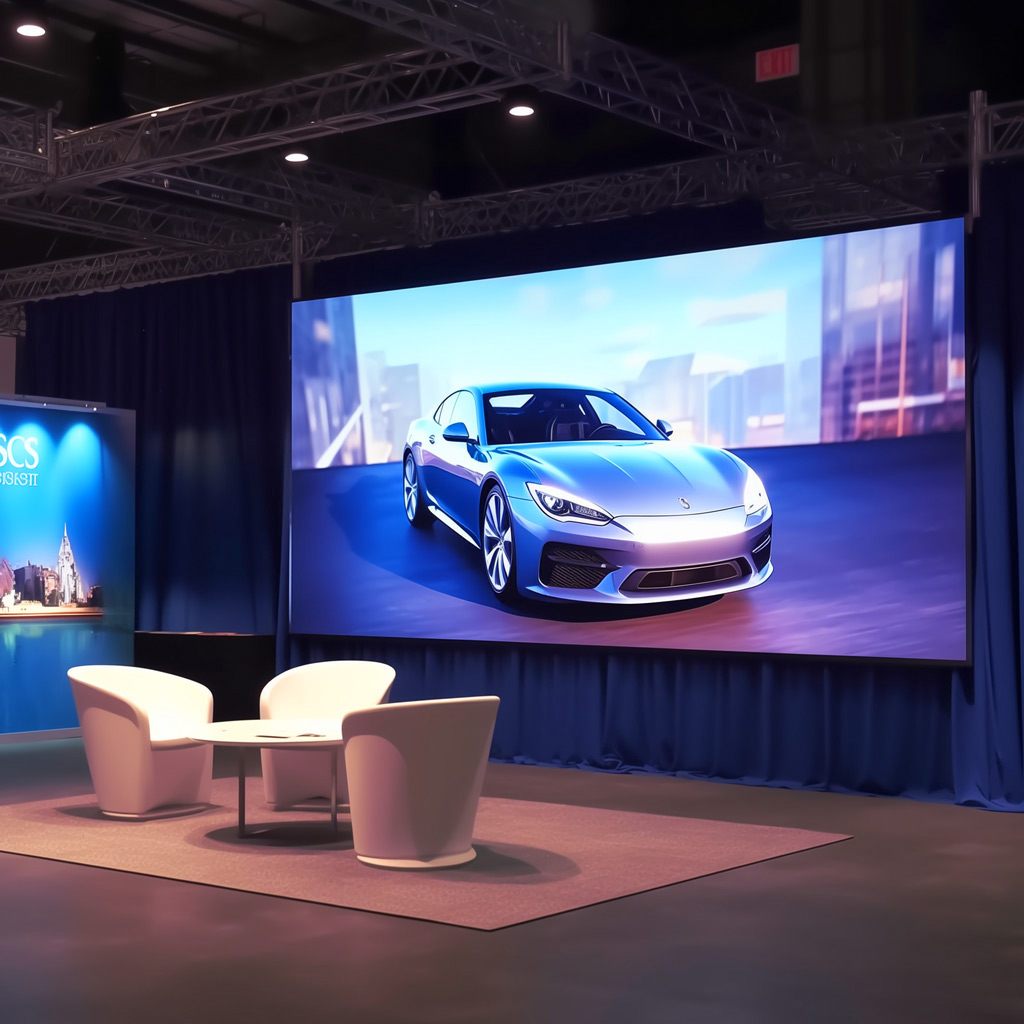
If LED screens fail during a live broadcast, a Sunday service stream, or a shoot day, no spec sheet can rescue the moment. In real work, what matters is simple: it turns on, looks clean, stays stable, and runs for hours without adding friction for the crew.
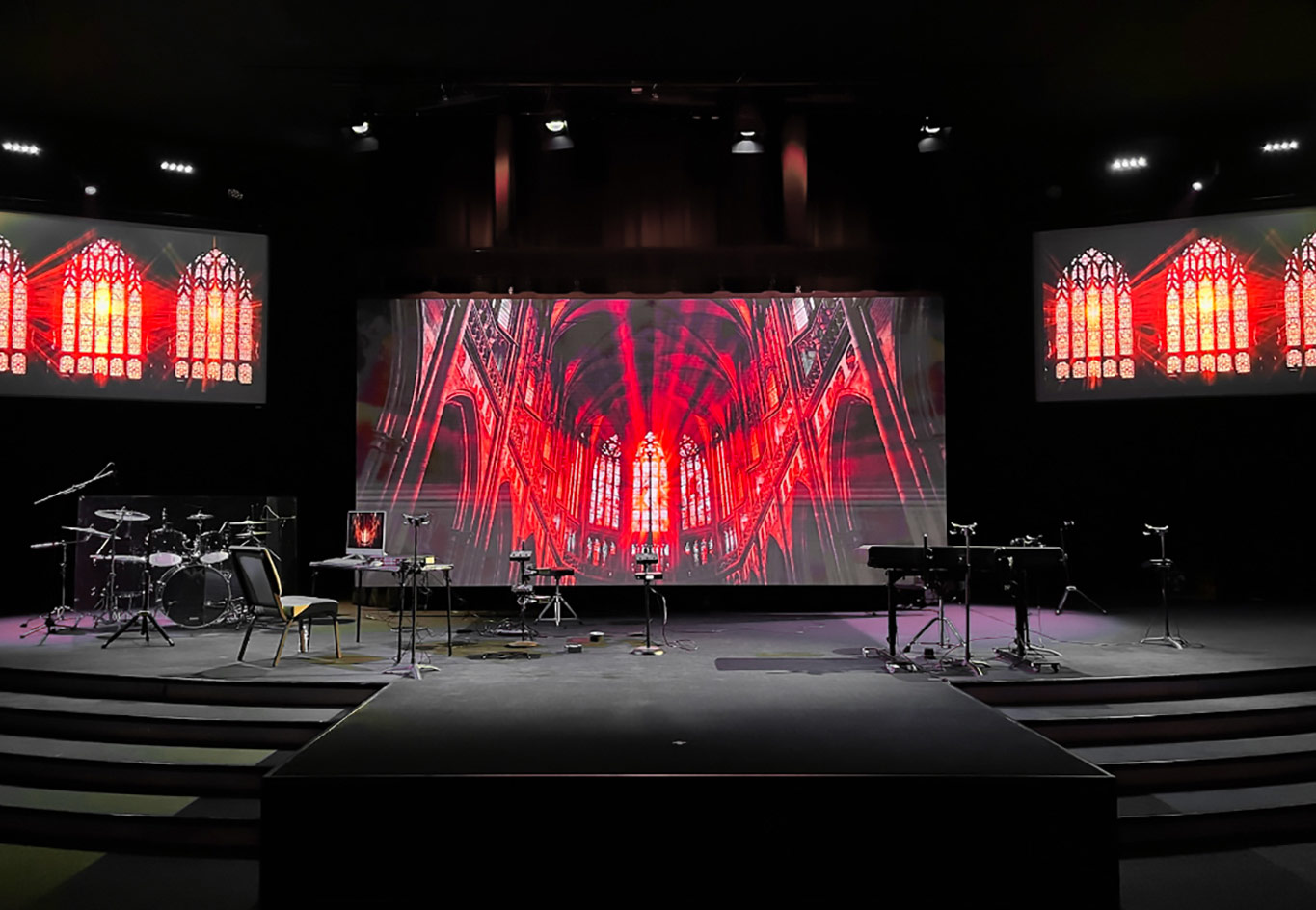
That’s why the conversation around modular LED video walls has shifted. They show up in virtual production, mobile stages, houses of worship, retail, corporate spaces, and broadcast studios. In all of those places, LED walls have to be dependable, not delicate. Different venues, same standard: real performance, not paper promises. Buyers aren’t shopping for “a screen” anymore; they’re choosing a reliable system that’s predictable day after day. For teams that rely on LED video walls, that predictability is the whole job.
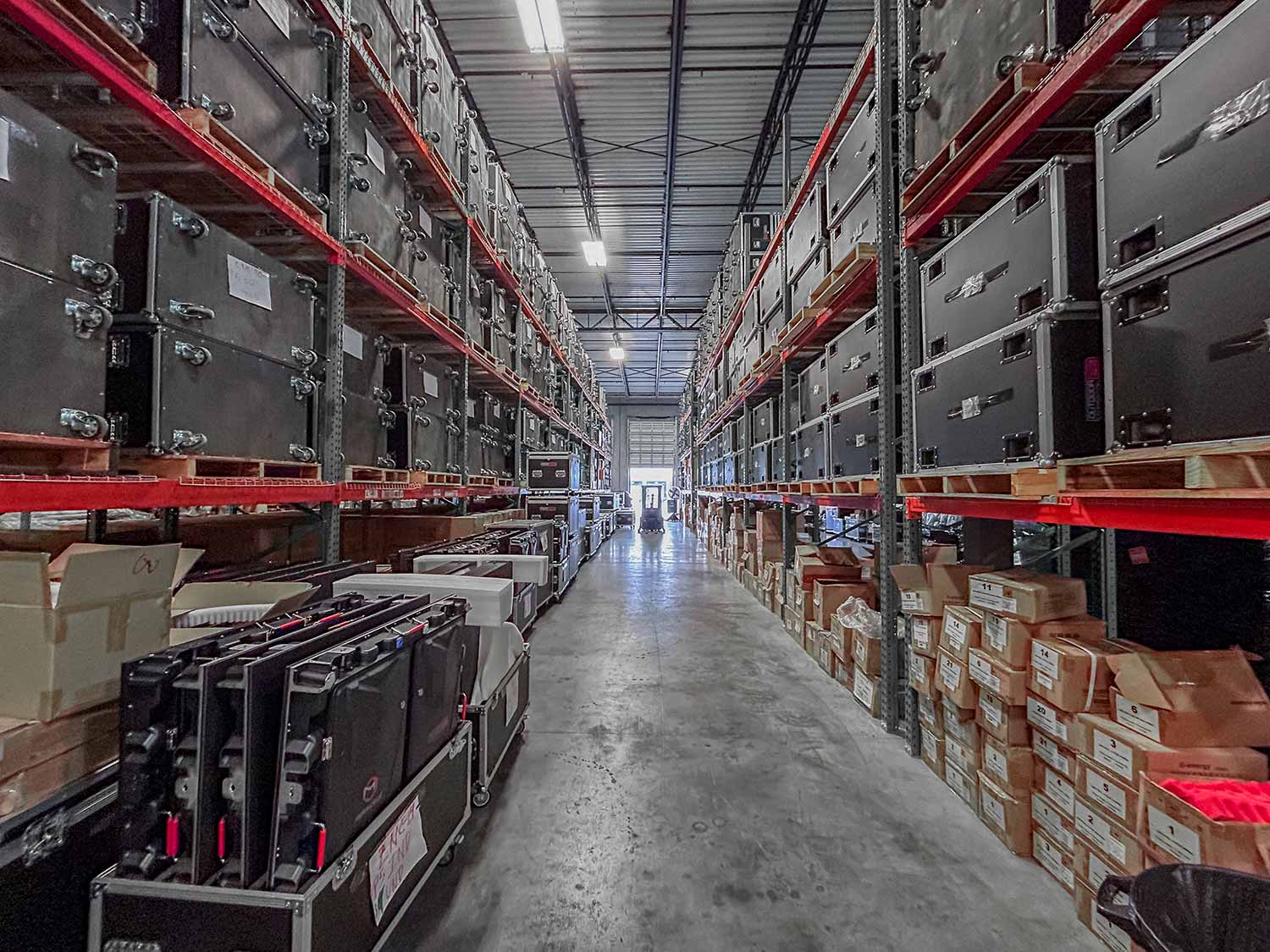
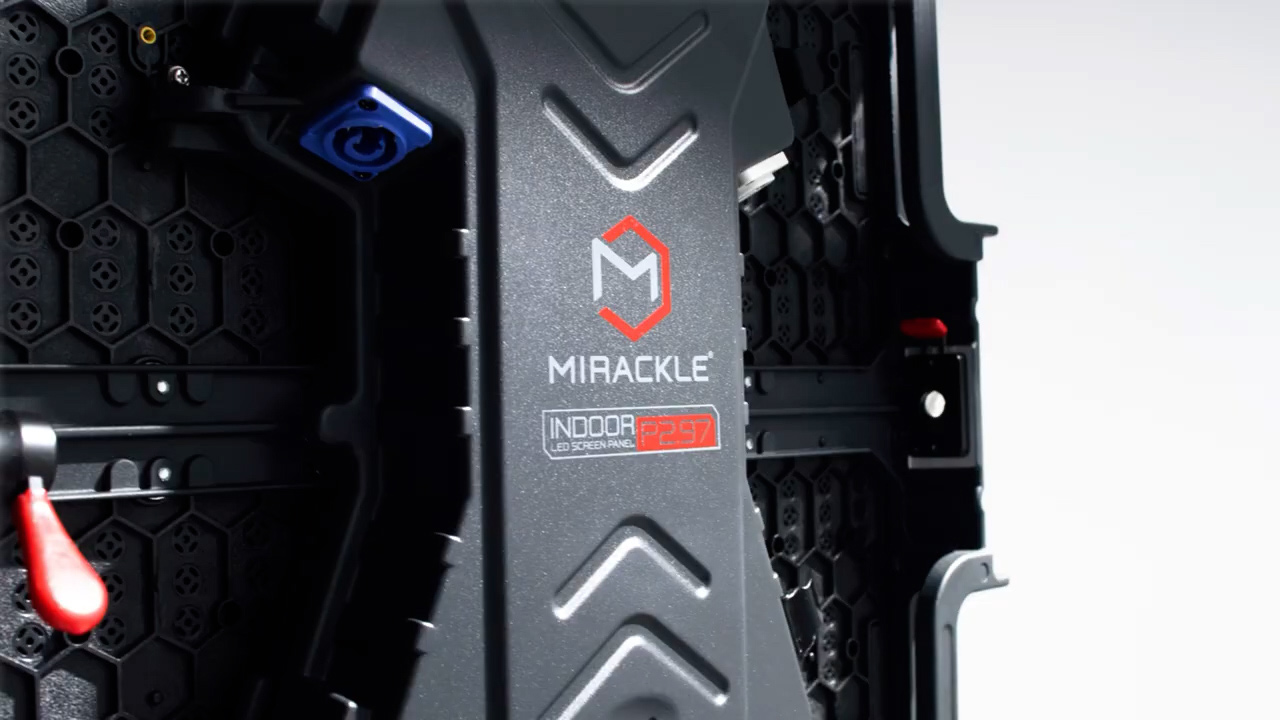
That difference starts long before the rig goes up. It begins with how the product is engineered and built. When one manufacturer controls both production and distribution, every decision can serve the same goal: dependable performance in the field, not just a flattering spec list. Mirackle develops and distributes its own LED display panels, which helps align design choices with how crews actually use them.
In this article, we’ll break down what makes Mirackle’s LED display panels stand out from production to daily operation, why they feel practical in real installs, and how that “real-world first” mindset matters once the LED becomes less of a purchase and more of a tool.
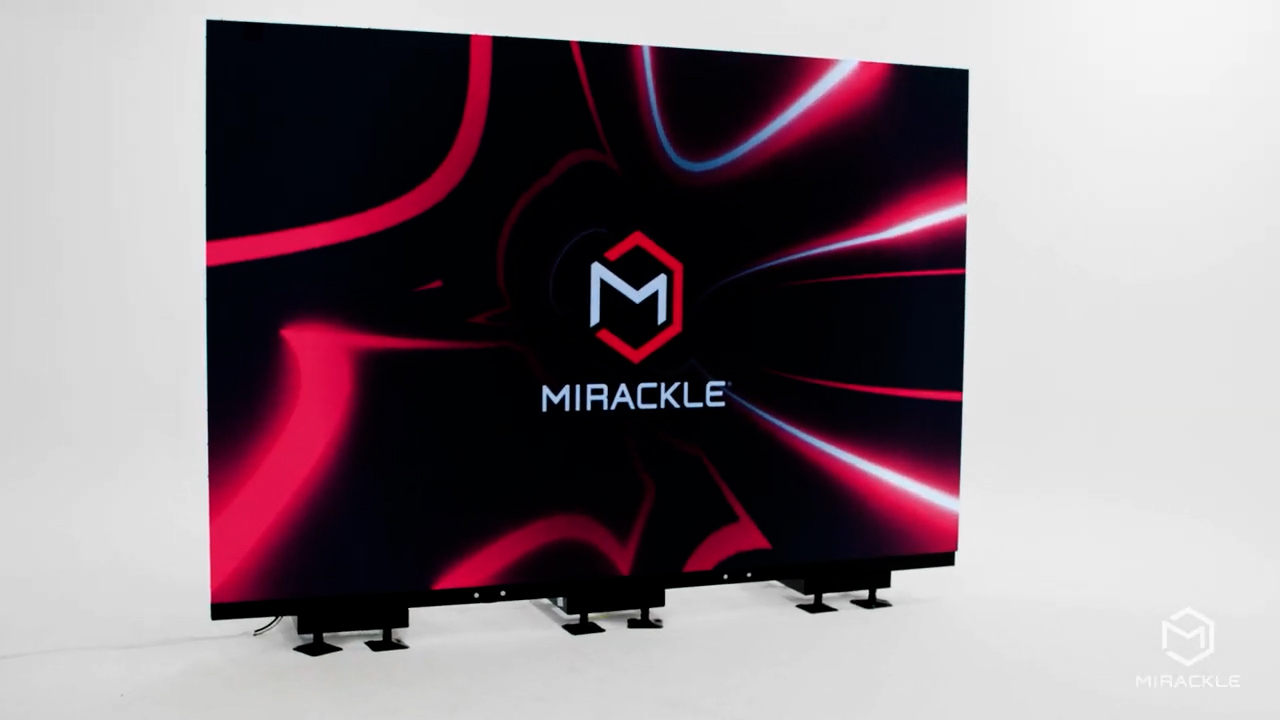

The Real Advantage of Manufacturer-Driven LED Panels
When an LED panel runs flawlessly, it isn’t luck; and it definitely isn’t “magic.” It’s usually the result of one foundational choice: the system was designed as a system, not assembled from mismatched parts at the last minute. That’s one of the clearest differences between manufacturer-driven builds and many generic options on the market.
Designed as a System, Not a Random Parts Kit
The best builds feel intuitive from the first touch. Hardware locks in the way it should. Modules align. Service points make sense. The cabinet, internal electronics, and control chain speak the same language.
In well-planned systems, control systems, sending cards, and video processors (often NovaStar) are integrated from the start. That creates stable communication between content, hardware, and inputs, reducing errors, cutting unnecessary configuration, and avoiding surprises during operation. It’s not just cleaner setup; it’s stronger custom LED display solutions for crews who can’t afford downtime.
Better Consistency Across Batches and Replacements
Consistency is where many projects either stay professional or start slipping. When units come from the same manufacturing process, replacements behave like the originals. Color, brightness, and overall visual response remain steady even when you add modules or swap parts.
That reliability is supported by practical design choices: magnetic modules, full front service, and durable enclosures. Together, they make maintenance faster and keep interventions from disrupting the rest of the durable LED wall. In other words: a repair shouldn’t turn into a visual mismatch.
Faster Troubleshooting, Clearer Accountability
Even solid LED technology can have issues. When it does, response time matters as much as performance. With a manufacturer-driven approach, there’s no finger-pointing across vendors. The provider understands the full hardware-and-software chain, which simplifies diagnosis and speeds resolution.
That has a direct impact on ROI: less downtime, lower operating costs, and better continuity for the project. For end users, it means an LED wall that looks sharp; and stays serviceable over time.
This is where the LED displays developed and distributed by Mirackle stand out: from production to performance, everything follows one operating logic.
Why Many LED Panels Fail in Real Installations
Not every problem in an LED project comes from bad intent or outdated components. More often, a system that “works in theory” runs into real-world friction: heat, long hours, rushed installs, tighter timelines, and on-camera demands. To be clear, this isn’t the case with Mirackle, but it’s common across the market. Here’s why.
That has a direct impact on ROI: less downtime, lower operating costs, and better continuity for the project. For end users, it means an LED wall that looks sharp; and stays serviceable over time.
This is where the LED displays developed and distributed by Mirackle stand out: from production to performance, everything follows one operating logic.
The Hidden Cost of Inconsistent Visuals
A frequent (and costly) failure is visual inconsistency: uneven brightness between sections, color drift over time, or weak on-camera behavior. In streaming environments, a low refresh rate can introduce flicker, and poor pixel pitch choices can create soft or muddy images when the viewing distance wasn’t considered correctly.
For large events and broadcast-style applications, resolution, wide viewing angles (ideally 140°–160°), and module-to-module color stability matter. When those elements aren’t aligned at the design stage, the result can be an LED screen that looks uneven; even if each unit technically “works.” With LED tech, performance is never isolated; it’s always a system outcome. That’s why crews evaluate LED panels by how they behave together, not by a single cabinet in isolation.
When the Installation Becomes the Problem
In many projects, the panel isn’t the weak link—the install plan is. With LED video walls, install friction shows up fast; especially on tight turnarounds. Complex mounting, limited service access, and slow replacement workflows turn routine maintenance into operational risk.
That’s why installation methods (ground support, wall-mounted, or flown) should be part of the decision from day one. Features like full front service and magnetic modules aren’t “nice to have.” They make it possible to service or replace sections quickly without tearing down large portions of the LED video wall. When those capabilities are missing, every small adjustment costs time, money, and momentum.
Why Support Matters More Than People Expect
LED displays aren’t plug-and-play TVs. That’s not a drawback; it’s the reason they can deliver the level of image quality other systems can’t touch. These are professional LED devices that depend on reliable support, accessible spare parts, and a warranty that protects the investment.
Mirackle backs its products with a 5-year warranty, direct access to replacement parts, and a team that knows the system end to end. That keeps projects moving with expert guidance; especially when something unexpected happens.
Because once modular LED walls stop being a promise and become a working tool, the difference isn’t only how they look. It’s also everything that stands behind them.
Collaborate With Our Team to Offer Turnkey LED Solutions – From Product Supply to Technical Guidance.
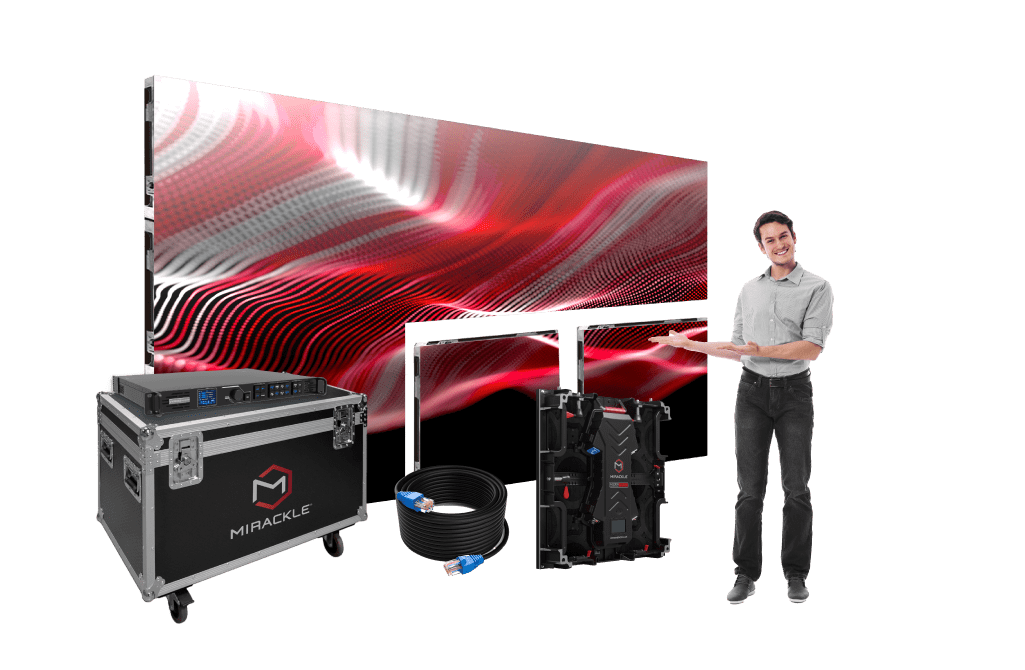
Why Many LED Panels Fail in Real Installations
In virtual production, the human eye isn’t the final judge; the camera is. A wall can look great in person and still fall apart on a sensor. That’s why a camera-ready LED display panel has to meet a higher bar: it must behave correctly under real-world camera settings.
Why Refresh Rate Is Only Part of the Story
Refresh rate is the first number most people check, and it matters; but it isn’t the whole story. Flicker, scan lines, and moiré can show up when the panel’s behavior and the camera’s shutter settings don’t play nicely together.
Pixel pitch matters here because it isn’t just “more resolution.” It defines working distance. Too large can create visible patterns on camera; too small can demand more processing and more controlled lighting. The right balance keeps the image clean in both wide shots and close-ups; and it’s best achieved with big LED screen solutions selected for the actual studio workflow.
The Role of Brightness and Smart Adjustment
Studio lighting changes constantly: key lights, fill, color temperature, exposure moves. If brightness is fixed, highlights can blow out and backgrounds can wash out.
That’s why Mirackle systems include automatic brightness adjustment, allowing output to stay balanced with the scene. It reduces the need for heavy correction in-camera or in post. Wide viewing angles also help maintain consistent color as the camera moves, which matters in tracking shots and handheld work.
The goal isn’t simply “brighter.” It’s controlled brightness that holds up on camera.
Control Systems That Keep Everything Stable
A wall is only as strong as its processing chain; the brain that keeps frames locked. Sending cards, synchronization, and control determine whether the image stays stable during recording.
NovaStar-based control systems support consistent playback and help prevent micro-desyncs. And the ability to work with both synchronous (real-time) and asynchronous (scheduled) configurations makes signal flow match the production style.
When the entire chain works together (panel, processing, and camera) LED screens stop feeling like a background and start looking like part of the set.
Built for Real Work: Durability, Serviceability, and Long-Term Reliability
A system isn’t truly proven on install day. The real test shows up later: dust, humidity, long run times, and the need to service hardware without shutting down operations. That’s where structural design matters.
Indoor vs. Outdoor Performance Expectations
Not every environment demands the same protection level. Studios, sanctuaries, and retail floors are controlled. Outdoor stages and facades face weather, particles, and temperature swings.
That’s why different IP ratings exist. An IP45 build can handle ambient dust and light water contact, which often fits indoor and semi-protected use. Outdoor LED screen panels include an IP65 certification. That’s why it’s sealed for rain and fine particles, and built for continuous outdoor operation. It’s more than a label; it affects maintenance cycles, uptime, and long-term reliability of the LED display panels.
Front-Service Access Changes Everything
Many projects don’t fail because of image quality; they fail because service access is slow. When a repair requires dismantling structures, every issue becomes a major event.
Full front service changes the equation. It allows modules to be removed from the front without tearing down supports; whether the build is on ground support, wall-mounted, or flown.
Lightweight Design That Reduces Installation Stress
Cabinet weight has a bigger impact than most buyers expect. Heavier systems require more reinforcement, more complex lifting, and longer assembly times. They also increase load on existing structures, especially in suspended installs.
A lightweight design is easier to handle, faster to assemble, and safer to service. It also makes reconfiguration simpler as needs change. That’s exactly the point: LED walls that look premium while staying practical to install, maintain, and expand. When large LED walls are part of daily operations, service access matters as much as visuals.
Get full technical support for your virtual stage — from LED configuration to camera sync and installation.
Choosing LED Wall Panels That Perform Beyond the Spec Sheet
Choosing a system based only on specs is often the most expensive mistake. The real cost difference appears later; when you have to run, maintain, and support the system for years without constant tweaks or replacements.
ROI: Why High-Quality Panels Pay Off Faster Than Most Buyers Think
ROI isn’t just about the upfront quote. It’s about how long the system stays operational with minimal interruption. There’s also a less obvious factor: perception. Uneven color, inconsistent brightness, or a glitch during a live moment changes how audiences judge the brand; far more than a small difference between two bids. Software stability matters here, too. High-quality LED displays also tend to deliver more consistent results across different content sources. Smooth communication between controller and hardware prevents small issues from stacking into hours of troubleshooting. In practice, the best LED displays don’t just look better; they demand less effort to keep looking better.
Why This Is relevant for Buyers in 2026 and Beyond
As installations become more permanent and more integrated, buying criteria keep evolving. The first impression still matters, but long-term serviceability and integration matter more. Modern deployments live alongside streaming, dynamic signage, and hybrid production environments. So a system has to function as part of a larger ecosystem; not as an isolated box. Choosing with future operation in mind avoids premature upgrades and helps the project stay relevant longer, even as LED technology continues to move forward.
Where Mirackle Fits In
With all of that in mind, Mirackle’s approach is straightforward. As the manufacturer and distributor of its own products, the design is built around real use: consistent batches, clear support, and readily available spare parts. The result is practical LED panels and dependable LED display panels; easy to install, simple to maintain, and backed by direct product knowledge and a 5-year warranty. More than selling screens, the goal is to deliver LED solutions that keep working long after the novelty wears off.
Because for LED video walls, success isn’t judged the day they turn on. It’s judged every day they keep performing without becoming a problem.