
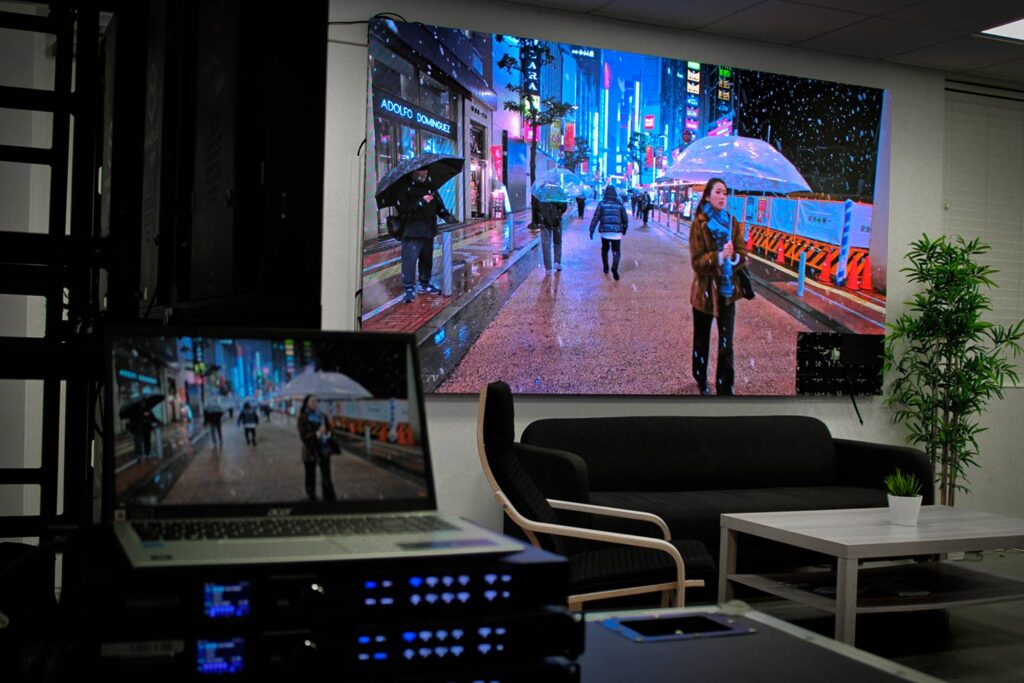
Live broadcasting goes far beyond the camera itself. While many assume resolution defines a successful production, another factor plays an equally important role: the screens behind it. A display that looks great to the human eye doesn’t always perform well on camera; and that’s where the real challenge begins.
Nowadays, LED video walls for virtual productions often replace traditional solutions like chroma keying across studios, live events, and streaming setups. These systems deliver stable, true-to-life visuals that hold up under professional camera conditions.
However, this level of performance isn’t accidental. Behind every reliable setup is a manufacturer that understands how broadcast environments behave; and how to prevent common visual issues. Achieving a professional result starts long before installation.
In this guide, we’ll break down how LED panels are engineered for broadcast environments and what makes them perform seamlessly on camera.

Designing LED Panels That Perform Under Studio Lights
Lighting is one of the biggest challenges in broadcast environments. Traditional systems often struggle under intense studio lighting, creating inconsistencies that affect both production quality and workflow.
Modern LED displays address this, but three key factors define whether they truly perform on camera.
Managing Brightness for Cameras and Human Eyes
In broadcast environments, brightness must be controlled with precision. Studio cameras operate alongside high-intensity lighting, which can easily distort how a screen appears if it isn’t properly calibrated. That’s why custom LED screens designed for these environments include advanced brightness control. This ensures the image remains clear without overexposing the scene or creating glare on camera. Self-adjusting brightness plays a key role here, allowing the system to balance what the camera captures with what the human eye perceives. The result is a natural image that integrates smoothly into the set, rather than competing with surrounding lighting.
Image Stability During High-Speed Filming
Once brightness is under control, stability becomes the next priority. Issues like flickering or scan lines can quickly ruin a broadcast if the system isn’t built for camera capture. Unlike the human eye, cameras record frame by frame. If the LED wall isn’t synchronized properly, visual inconsistencies become immediately visible. That’s why broadcast-ready LED walls are built with high refresh rates; typically 3840 Hz or higher. This ensures stable performance even with fast shutter speeds or slow-motion recording. Equally important is synchronization with video processors and control systems. When everything works together, the result is a clean, artifact-free image.
Achieving Consistent Color and Detail
Broadcast environments demand uniformity across the entire screen. Any variation in color or brightness between modules becomes obvious on camera. This is where LED display panels in virtual productions are carefully engineered to deliver consistent color, contrast, and detail across every section of the screen. Pixel pitch also plays a critical role. A tighter pitch allows cameras to capture sharp visuals up close, minimizing issues like moiré and preserving image clarity. When these elements are controlled from the manufacturing stage, the final result is a seamless visual surface that supports high-quality production.
Engineering LED Walls for Flexible Studio Setups
Production environments are constantly evolving. A studio might be used for a live broadcast in the morning, a social media shoot in the afternoon, and a streaming session later that day.
This flexibility requires systems that can adapt quickly… Both physically and visually.
Installation Methods for Different Production Spaces
The way LED panels are installed directly impacts how they function within a production. In many studios, LED video walls are used as dynamic backdrops. Ground-supported installations are common here because they allow for quick setup and adjustments. For events or hybrid productions, panels may be arranged using flexible staging configurations, adapting to different layouts or creative needs. Permanent studios often rely on wall-mounted setups, where LED screens become a fixed part of the set design. This adaptability is only possible thanks to the modular structure of LED panels, which allows systems to be reconfigured without major structural changes.
Lightweight Structures for Faster Set Builds
Speed is critical in production environments. Sets often need to be assembled and disassembled in tight timeframes. That’s why modern LED panels for TV studios are built with lightweight cabinets. This reduces strain on support structures and simplifies transport, handling, and installation. A lighter system doesn’t just improve logistics; it also makes it easier for teams to work efficiently under pressure.
Modular Panels Designed for Maintenance
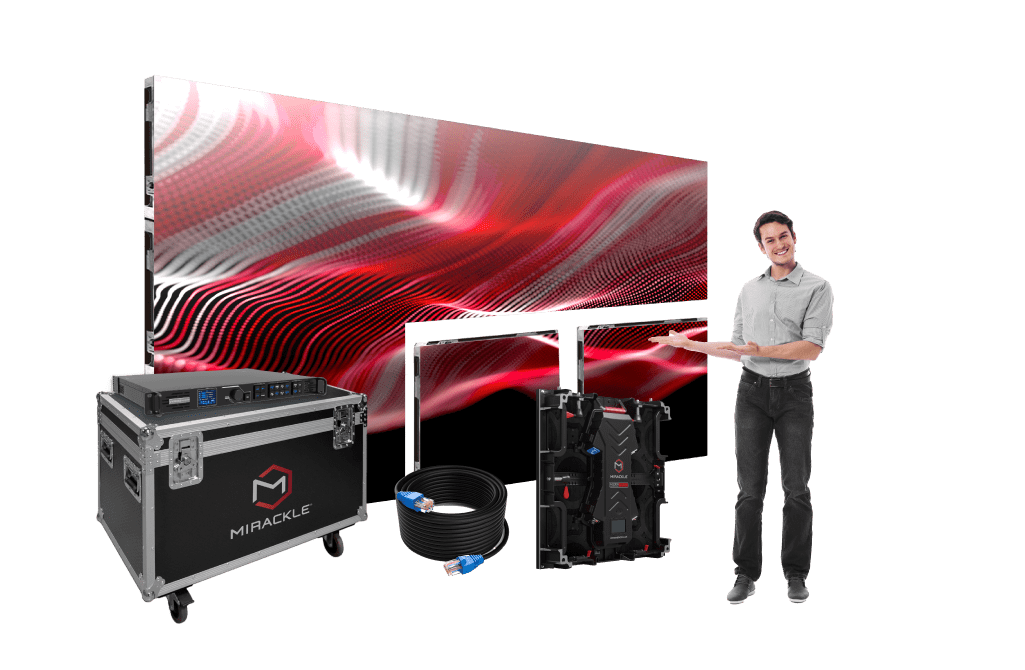
With all of that in mind, Mirackle’s approach is straightforward. As the manufacturer and distributor of its own products, the design is built around real use: consistent batches, clear support, and readily available spare parts. The result is practical LED panels and dependable LED display panels; easy to install, simple to maintain, and backed by direct product knowledge and a 5-year warranty. More than selling screens, the goal is to deliver LED solutions that keep working long after the novelty wears off.
Get full technical support for your virtual stage — from LED configuration to camera sync and installation.
Control Systems Behind Broadcast-Ready LED Screens
The performance of LED screens doesn’t rely solely on hardware. Behind every stable image is a control system managing how content is processed and displayed.
Broadcast-ready LED walls are designed to integrate seamlessly with these systems, ensuring synchronization across cameras, processors, and content sources.
Synchronizing LED Walls with Video Sources
In a typical production, content can come from multiple sources: live cameras, media servers, or video mixers. To maintain consistency, all these elements must work together without delays or visual errors. Video processors and sending cards handle this process, adapting incoming signals and distributing them across the LED wall. Platforms like NovaStar allow precise control over this work
Working with Multiple Content Inputs
Modern productions rarely rely on a single content source. Graphics, live feeds, and pre-rendered visuals often need to coexist within the same setup. LED video walls support this flexibility by allowing content to be switched, layered, or adjusted in real time. This transforms the screen into a dynamic visual tool that enhances storytelling rather than simply displaying content.
Synchronous and Asynchronous Control Systems
Control systems can operate in different modes depending on the production. Synchronous systems display content in real time, making them ideal for live broadcasts and virtual production. Asynchronous systems, on the other hand, run preloaded content on a schedule, commonly used in events or controlled environments. The ability to switch between both modes gives LED walls for live broadcast the flexibility to adapt to a wide range of production needs.
The Future of Camera-Ready LED Technology
The Growing Role of LED in Film and Streaming
LED technology has quickly become the standard in modern production. Its ability to create immersive, adaptable environments has transformed how content is produced.
In film and television, LED video walls are now used to generate real-time backgrounds, reducing reliance on green screens and post-production.
In streaming, they allow creators to build visually engaging environments without complex physical sets.
Custom LED Solutions for Modern Productions
Every production environment has different requirements. Factors like lighting, camera distance, and creative direction all influence the ideal setup.
Manufacturers that understand these variables can develop tailored LED solutions, adjusting specifications like pixel pitch, size, and control systems to match each project.
Choosing a Manufacturer That Understands Broadcast Needs
Selecting the right partner is just as important as choosing the technology itself.
It’s not only about installing LED screens; it’s about ensuring they perform reliably on camera, integrate with existing systems, and adapt to demanding environments.
Manufacturers like Mirackle focus on these requirements, designing LED panels specifically for broadcast applications. By controlling the production process, they ensure consistency, stability, and seamless integration.
This transforms LED technology from a simple visual tool into a long-term investment… One that enhances production quality and delivers strong ROI.
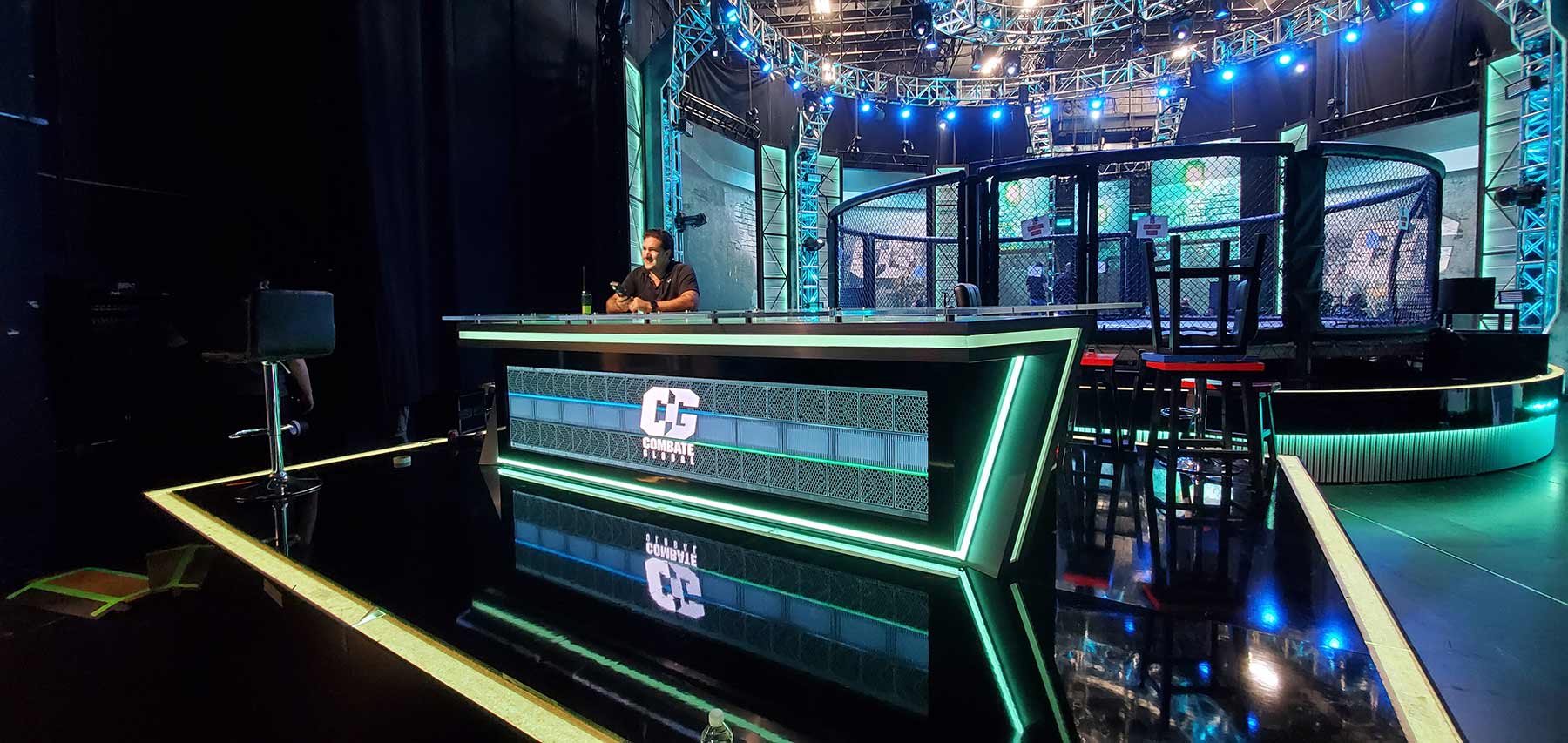
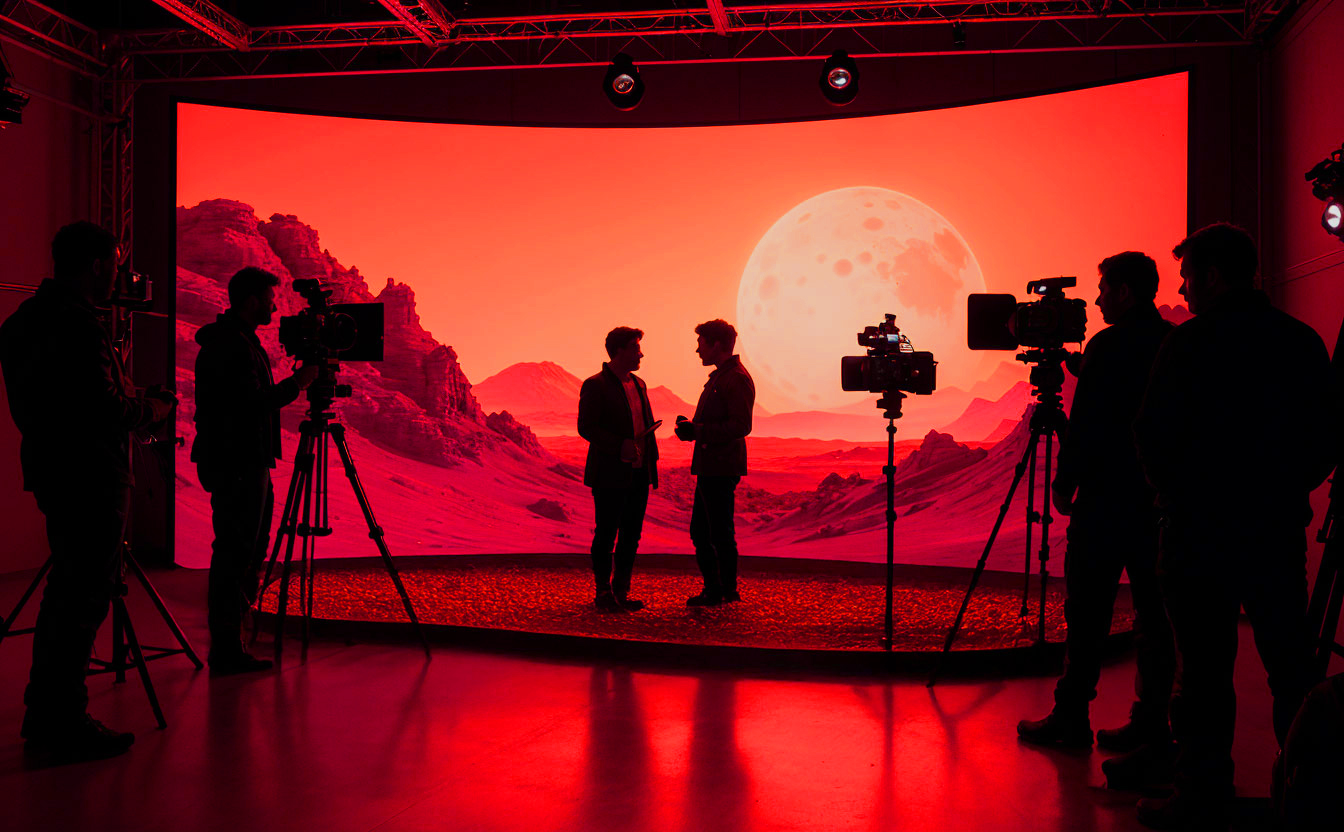
Virtual production is no longer defined by budget size, but by vision…And the tools chosen to bring that vision to life.