
Modular vs Fixed LED Wall Systems: Which Setup is Right for Your Use Case?
In today’s world of immersive visual content, LED technology is the cornerstone for creating unforgettable experiences; whether at a massive event, a corporate broadcast, or a high-impact fixed installation. However, a key question that can shape the success of your project arises: Should you opt for a modular or a fixed LED system?

Free Shipping
Nationwide

Best Factory-
direct pricing

Technical
Support
USA
Manufacturer.
Both options offer stunning image quality, but their operational nature differs significantly. Fixed LED walls provide a robust and permanent solution, ideal for long-term use in locations such as billboards or television studio backdrops. These are chosen by those seeking a reliable, hassle-free, long-term installation.
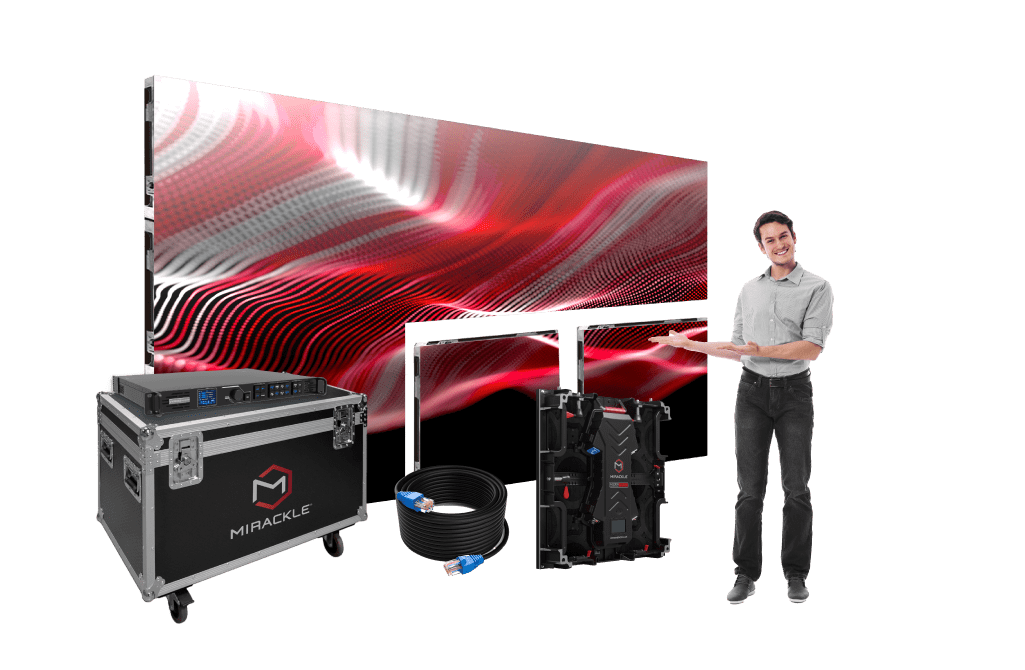
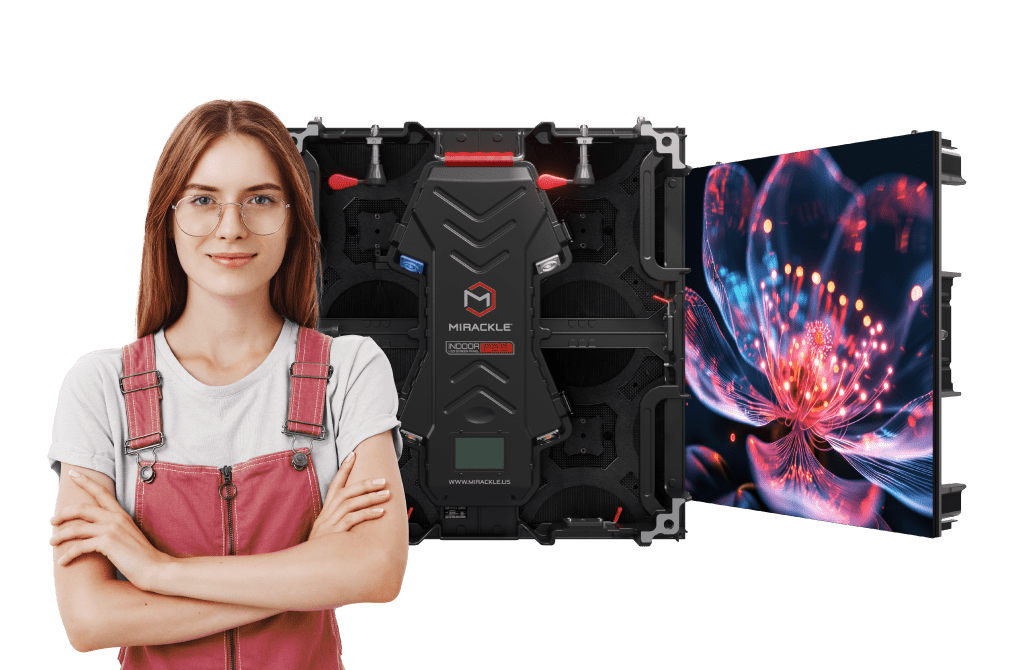
In contrast, modular panels are the “Lego” of visual technology. Composed of lightweight LED cabinets that can be easily assembled and disassembled, they offer exceptional flexibility and portability. This setup is favored by rental companies, event production teams, and tour operators who need the ability to set up, tear down, and transport the screen to various locations.
The real question isn’t which option is better overall, but which one aligns best with your specific needs, budget, and long-term vision. In this article, we’ll break down the essential features of each system to help you determine which will best suit your needs.
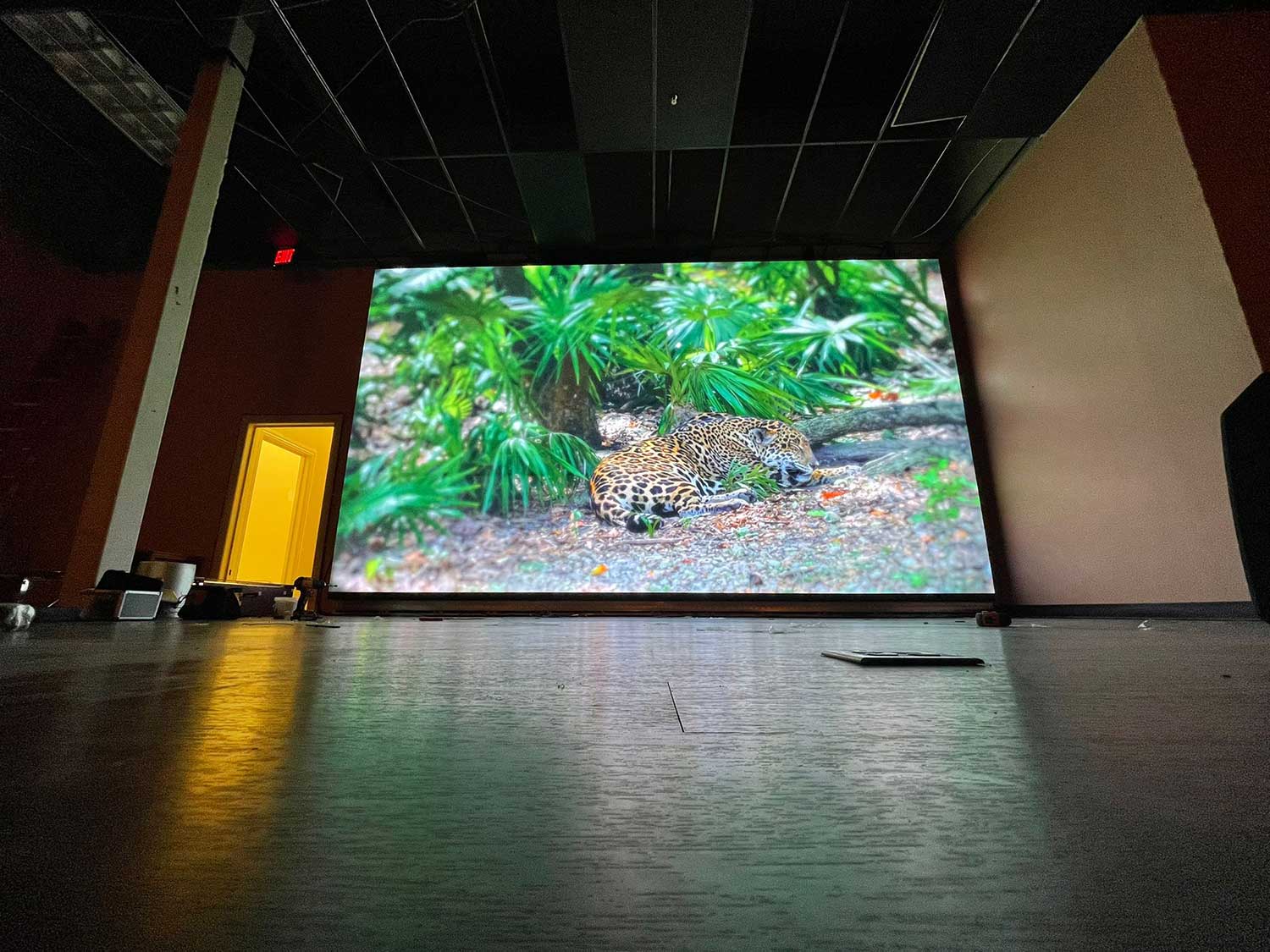
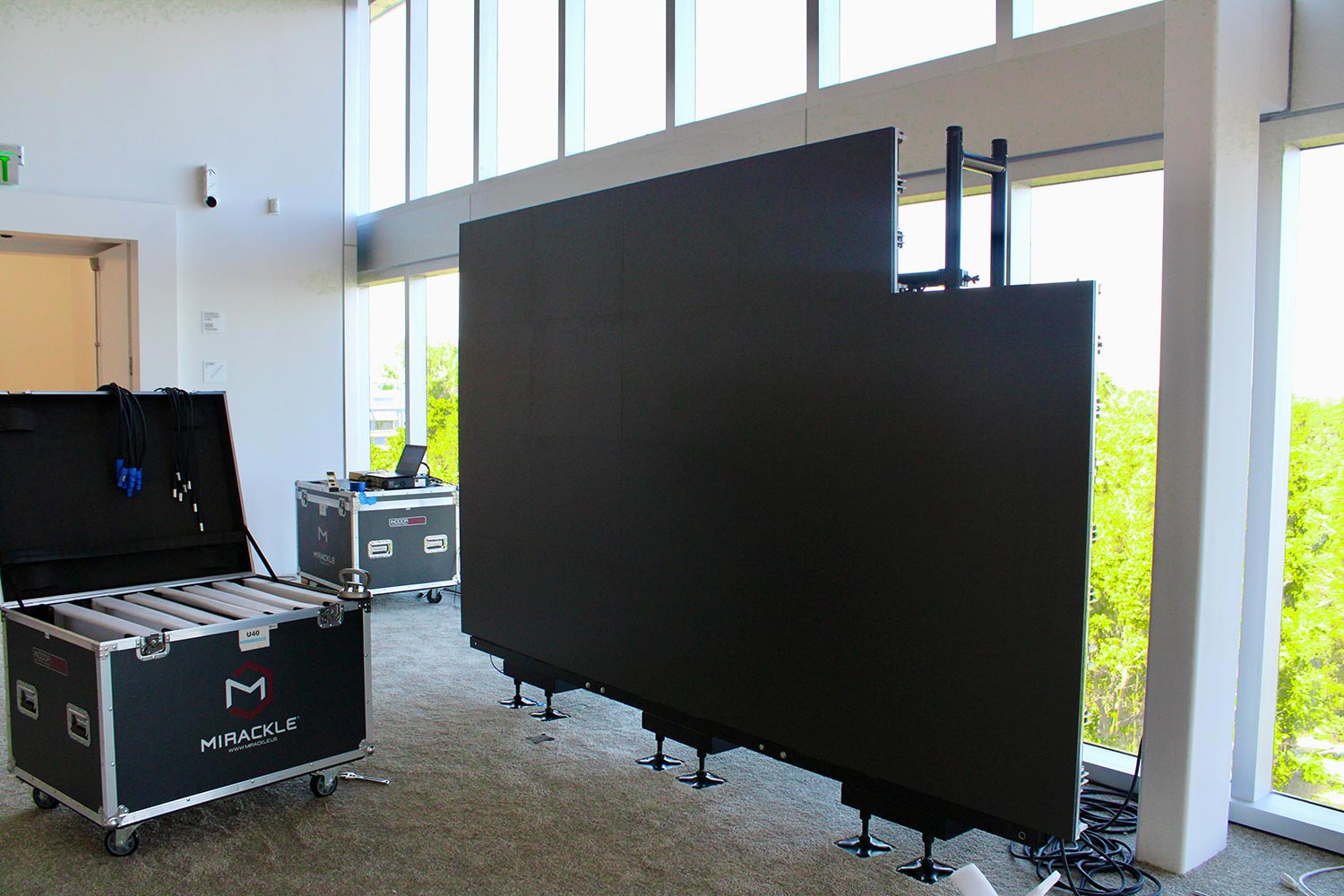
Understanding the Two Approaches: Modular vs Fixed LED Screens
To make the right decision, it’s crucial to first understand the design philosophy behind each type of LED screen. While both utilize the same light emitters to deliver spectacular images, they are built for fundamentally different purposes: mobility versus permanence.
What Is a Modular LED Wall?
A modular LED wall is defined by its flexible assembly and design, which prioritizes quick and safe transport. Think of it as a set of digital building blocks: it consists of lightweight panels or cabinets that fit together precisely, allowing for the creation of screens in nearly any size or format.
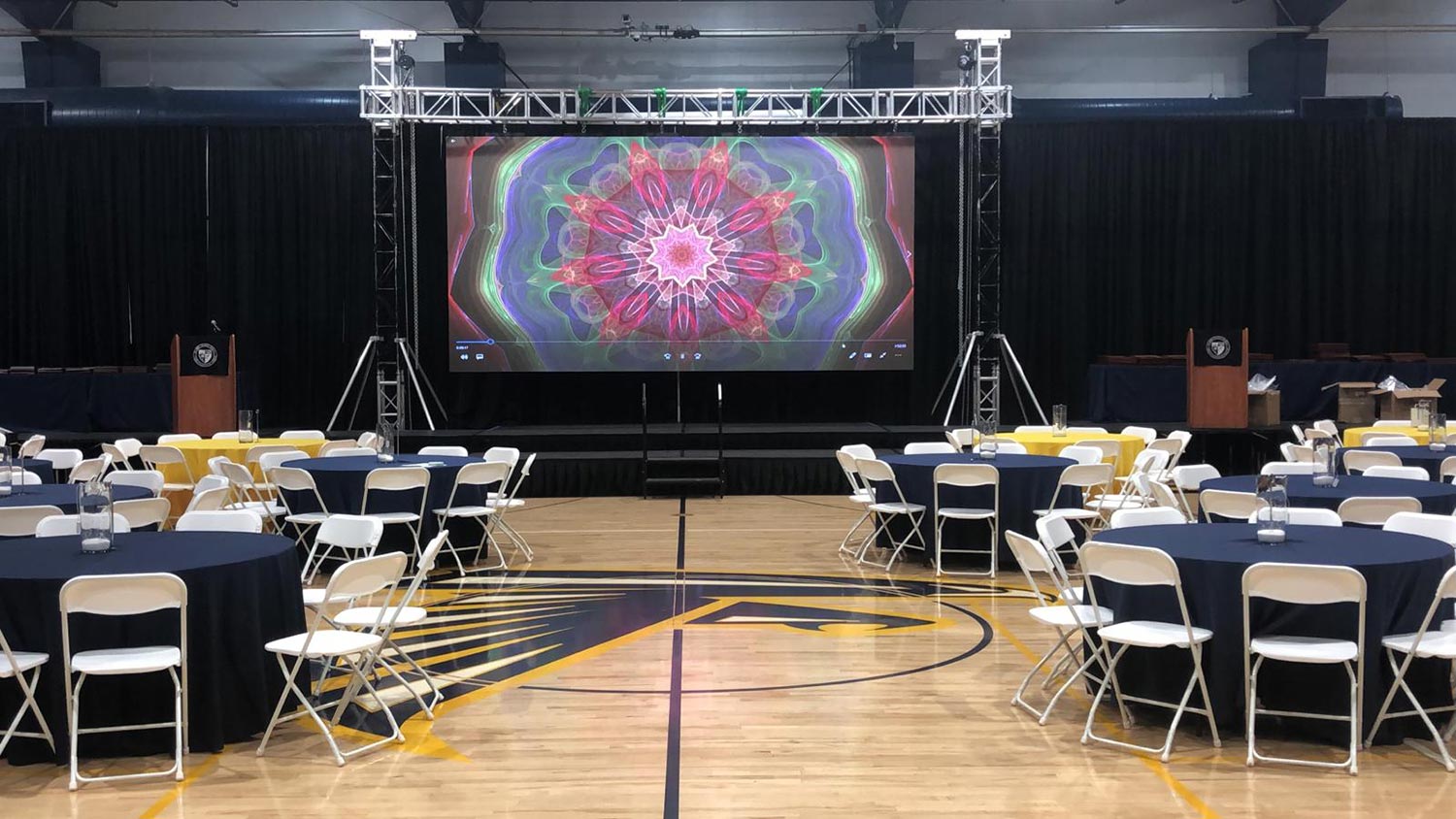
This system is the workhorse for live event production, trade shows, concert tours, dynamic stage setups for churches, and streaming studios that require versatile virtual backgrounds.
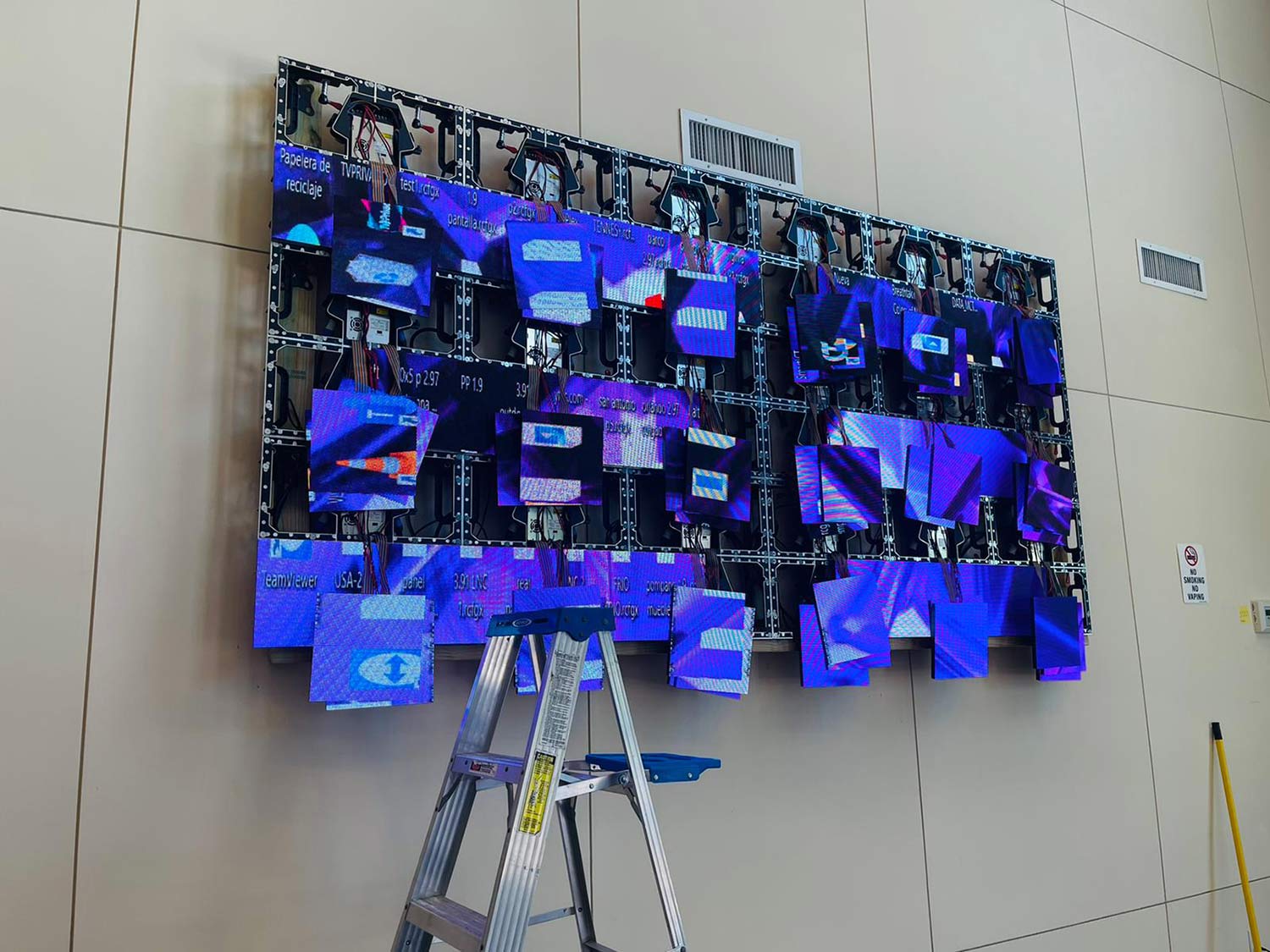
Installation is simplified through methods like ground support or flying (suspended from structures), and maintenance is incredibly agile. Many modular systems use panels with magnetic modules that allow for quick front-end servicing without the need to dismantle the entire structure. Content management is handled through Novastar processors or other commonly used systems, offering both synchronous (real-time content) and asynchronous (pre-recorded playback) options depending on the event’s needs.
What Is a Fixed LED Wall?
A fixed LED screen is designed for permanent installation in a specific location, delivering consistent performance and durability. Typical applications include corporate lobbies, boardrooms, retail storefronts, stadiums, and outdoor signage.
The goal of a fixed LED wall is clear: it must look flawless every day. These systems incorporate high-resistance features such as durability (IP45-IP65 rating) to protect against dust and moisture, as well as automatic brightness adjustment to optimize the image based on ambient light.
Additionally, fixed systems are often optimized for front maintenance, allowing technicians to access components without needing to move the screen from its position. These systems integrate seamlessly with various video inputs and the AV infrastructure of the space.
Why Two Systems Exist
The existence of modular and fixed systems is not a result of inherent differences in the underlying LED technology (both can provide low pixel pitch, high refresh rates, and exceptional resolution). Instead, this division arises from their differing usage needs: modular solutions address the need for mobility, flexibility, and frequent reconfiguration, while fixed solutions focus on stability, long-term durability, and consistent performance in a permanent environment.
Key Differences That Actually Matter for Real Users
When deciding between a modular and a fixed LED wall, it’s essential to consider not just the basic distinction between “mobile” and “stationary.” The real differences lie in user experience, long-term maintenance, and visual integration. Understanding these factors is key to ensuring your investment performs efficiently and meets your objectives.
Flexibility vs. Permanence
The fundamental design difference is key: modular LED display are built for flexibility. They allow users to modify the screen size, format (such as 16:9 or custom artistic configurations), and shape, making it possible to scale the system up or down as needed for different events or venues.
Fixed systems, on the other hand, are optimized for consistency. Once installed, they provide stability and fine calibration, ensuring that corporate messaging, advertisements, or artistic content remain flawless 24/7. Technologies such as high refresh rates and pixel pitch optimization ensure a consistent, reliable viewing experience.
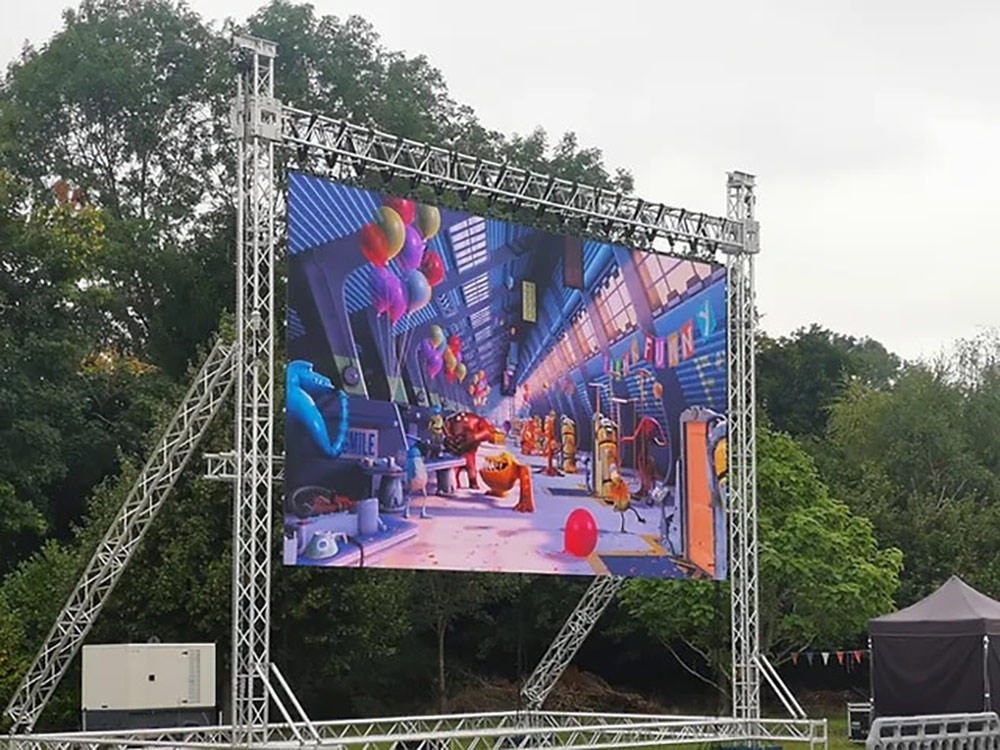
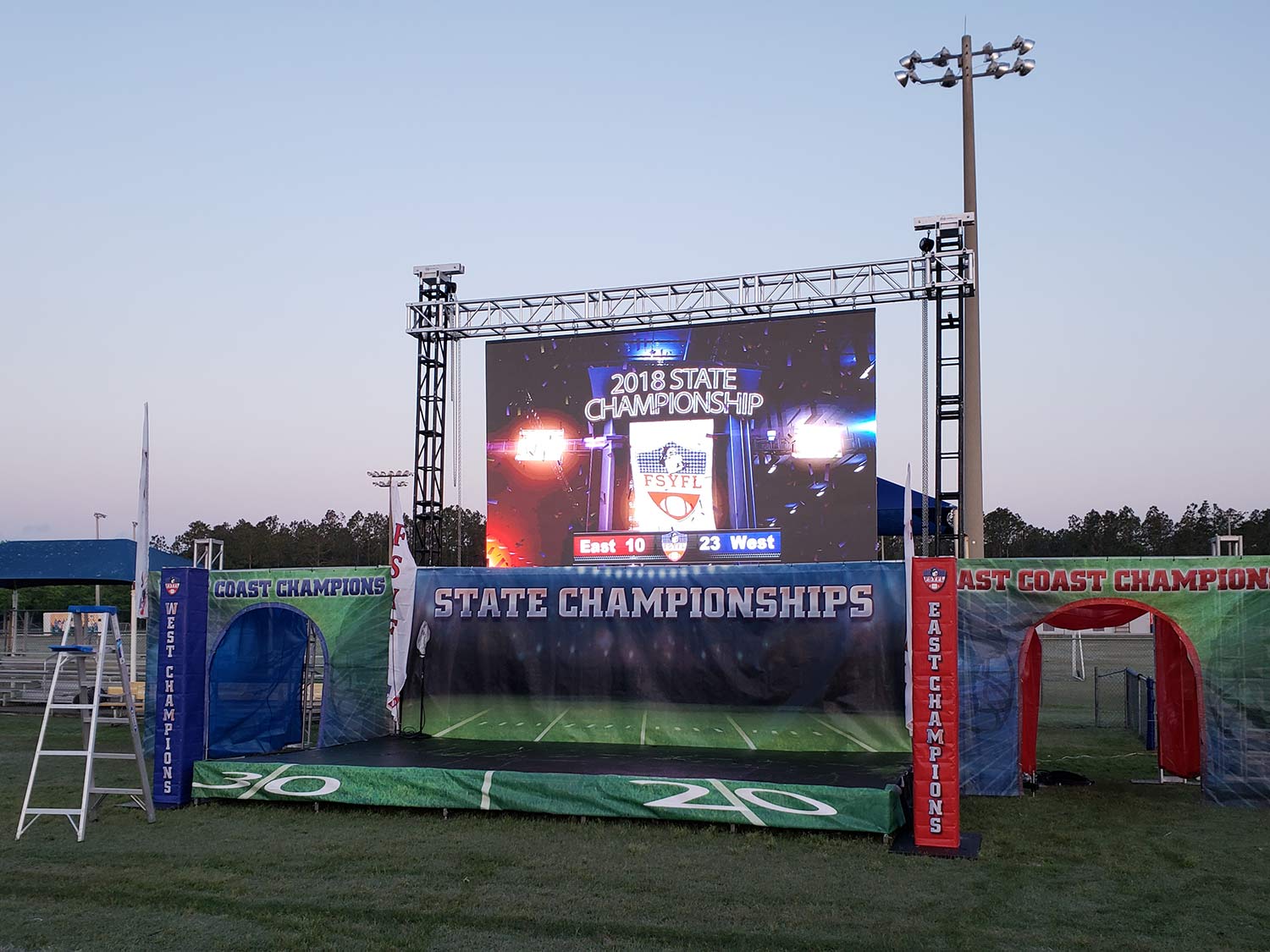
Installation Experience
Installation of both systems varies significantly. Modular LED walls are quick to assemble, using simple locking mechanisms on LED cabinets, making them ideal for production teams with tight deadlines. Methods such as ground support or the flown method facilitate fast assembly, while easy-to-manage power and data connections accelerate setup.
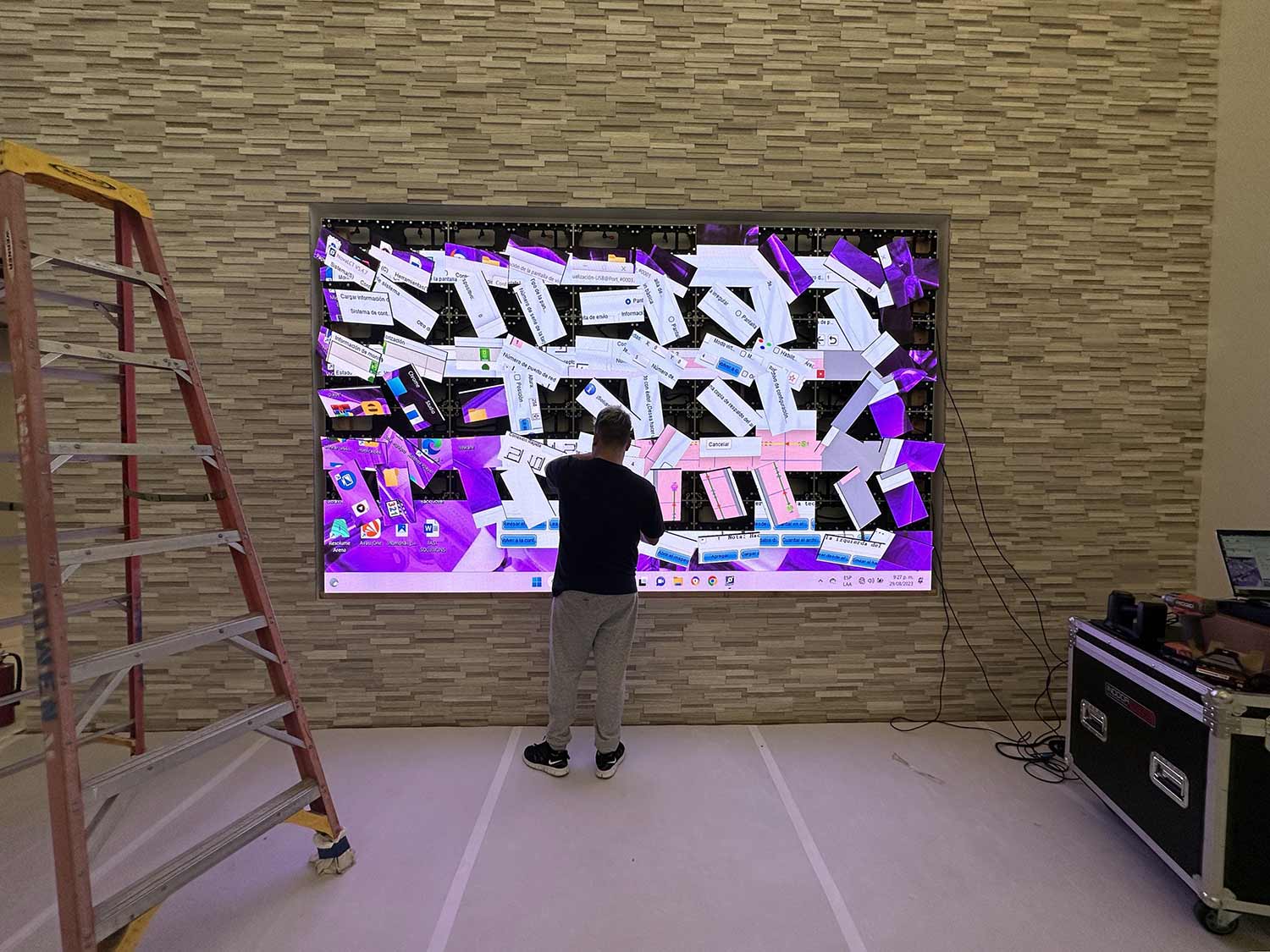
In contrast, fixed systems require thorough pre-planning due to their integration with the space’s architecture. Professional anchoring and permanent structures are necessary for installation. Once configured, however, control systems and video processors remain in place, and maintenance can be performed via front service, eliminating the need for rear access.
Whether it’s setup or ongoing care, we provide expert assistance every step of the way to keep your LED wall in top condition.
Visual Performance & Viewing Experience
Both modular and fixed LED wall systems can achieve high resolution, wide viewing angles (140°–160°), and high refresh rates, but their performance characteristics differ:
Modular:
Optimized for maximum brightness, making them ideal for outdoor settings or environments with unpredictable lighting. Quick adjustments are essential for adapting to changes in the production environment.
Fixed:
Prioritizes color consistency and long-term stability. Features like auto-adjusting brightness are crucial for maintaining a perfect image, regardless of time of day, ensuring a high-quality viewing experience that remains reliable.
Durability & Long-Term Reliability
Durability varies based on the type of stress each system is subjected to. Modular displays must endure constant transport, repeated rigging, shocks, and environmental changes. LED wall manufacturers design these panels with durable housings and connectors to withstand rough handling and maintain longevity in the rental industry.
For fixed displays, durability centers around protection from environmental elements. The IP45/IP65 rating is vital for outdoor signage, guarding against water, dust, and sunlight. Long-term reliability is reinforced with 5-year warranties, offering peace of mind that the investment is secure.

Choosing the Right System for Your Use Case
The decision between a modular and a fixed system should be based on the specific function the display will serve throughout its life. Evaluating your use case is crucial in determining your ideal solution.
For Events, Rentals & Productions: The Modular Advantage
If your business requires frequent relocations, a modular LED wall is essential. The flexibility of this system, combined with quick setup and teardown, makes it ideal for rentals, production companies, and tours that need to transport and install LED displays for events at different locations.
Typical applications include concerts, trade shows, temporary broadcasts, and streaming studios that change their sets frequently. A modular system’s high refresh rate and resolution ensure flawless video performance for broadcast and camera-ready content.
For Businesses, Retail & Corporate Environments: The Fixed Solution
When consistency and visual impact are paramount, the fixed LED system provides a permanent solution. It’s an investment in stable branding and architectural aesthetics, as well as long-term durability, minimal maintenance, and seamless integration into the space.
Common applications include corporate events, retail displays, luxury conference rooms, and digital menu boards. With added features like auto-adjusting brightness and front maintenance, fixed systems are perfect for spaces where consistent, high-quality visual messaging is crucial.
For Outdoor Advertising & High-Visibility Installations
Durability is the priority in outdoor environments, often making fixed outdoor LED walls the best choice. These solutions are ideal for long-term outdoor advertising, roadside billboards, and public signage, where the IP65 rating ensures protection against harsh weather conditions, including rain, heat, and UV exposure.
Though less common, rugged modular systems are also used for temporary high-visibility displays at events like festivals or sports games. These systems prioritize portability and quick setup, making them perfect for short-term outdoor installations.
Expert Guidance for the Right LED Wall Decision
Ultimately, the choice between modular and fixed LED walls is a strategic one that will affect your project’s operation and visual impact for years to come. It’s crucial to consult with experts who understand your specific needs before making a decision.
Speak to Specialists Before You Buy
The complexity of LED walls goes far beyond plug-and-play. Before investing, it’s essential to consult with experts. At Mirackle, we guide our clients through a comprehensive process that includes:
Space and Architectural Analysis
Evaluating ambient light, viewing angles, and load capacity.
Usage and Content:
Determining the right pixel pitch and whether synchronous or asynchronous systems are necessary.
Software and Hardware Integration:
Ensuring seamless compatibility with your existing AV systems.
This expert guidance helps prevent costly errors and guarantees that your LED solution meets your visual and operational objectives. Request a quote and personalized technical consultation today.
Which One Should You Choose?
When Modular Makes More Sense:
- You need flexibility and often change the size or location of the screen.
- Your usage is temporary, ideal for event companies, rental houses, or production companies.
- You need the ability to rapidly scale from small to large displays in just a few hours.
When Fixed Is the Smarter Move:
- You’re looking for a permanent, integrated aesthetic.
- You need durability against harsh environmental factors (rain, sun, heat) with IP65 protection.
- You want a consistently calibrated image, 24/7.
A Balanced Perspective
There is no universally “best technology”—the key is choosing the right solution for your specific needs. The important factors to consider include:
- Frequency of use: Daily and fixed or sporadic and mobile?
- Visual objectives: Temporary mass impact or permanent corporate elegance?
- Budget: Initial costs and installation logistics can vary widely.
- Available space: Do you need rear or front access for maintenance?
Buy with confidence: our LED screens come with a 3-year warranty, and our team ensures everything runs smoothly from the start.