tecnicacosmicweb

LED-Display-Scan-Rate-Explained_-1_8-1_16-1_32-and-What-It-Changes

LED Display Scan Rate Explained: 1/8, 1/16, 1/32 and What It Changes

Two LED video walls can share the same size, resolution, and advertised refresh rate yet perform differently. One specification that helps explain those differences is scan rate, a factor that affects how rows of pixels are driven and how the system balances brightness, efficiency, and image stability. get a free quote Scan rate is easy […]

LED Display Scan Rate Explained: 1/8, 1/16, 1/32 and What It Changes Read More »
Die-Cast-Aluminum-vs.-Iron-LED-Cabinets_-Engineering-Trade-Offs-Behind-the-Frame.

Die-Cast Aluminum vs. Iron LED Cabinets: Engineering Trade-Offs Behind the Frame

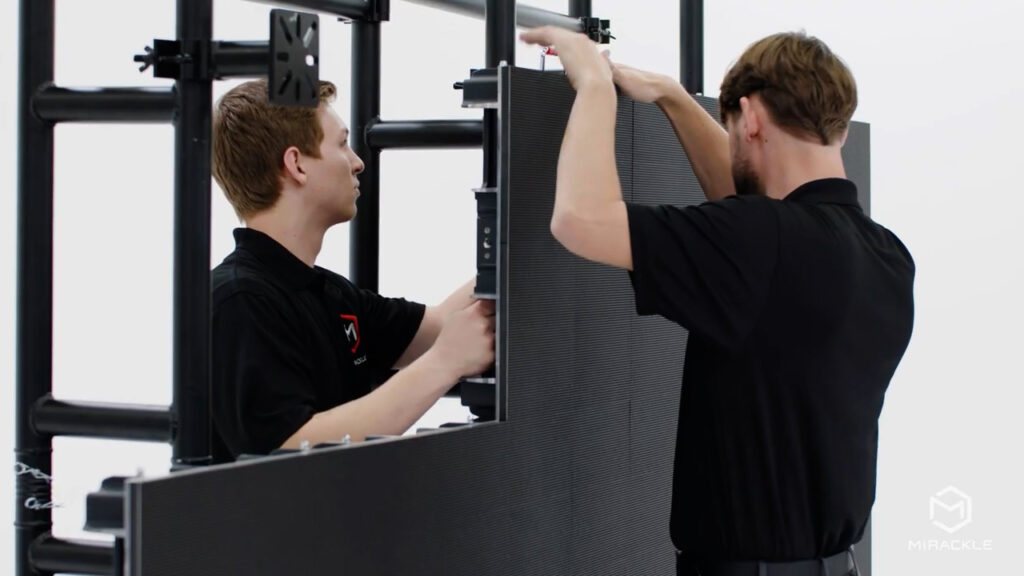
When custom LED panels come to life, the viewer sees color, brightness, and motion. What remains hidden is the structural framework that keeps the image aligned and stable. The cabinet is more than a housing: it affects physical integrity, thermal behavior, serviceability, and long-term durability. Today, die-cast aluminum and traditional iron cabinets can support LED

Die-Cast Aluminum vs. Iron LED Cabinets: Engineering Trade-Offs Behind the Frame Read More »

MIP-vs.-COB-LED-Displays_-Which-Packaging-Technology-Is-Better-for-Fine-Pitch-Video-Walls

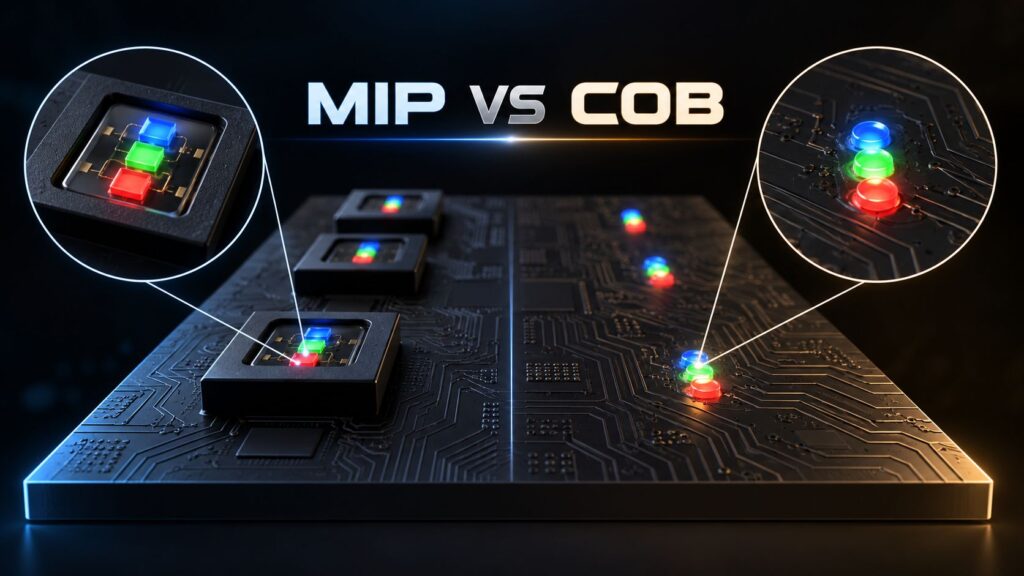
MIP vs. COB LED Displays: Which Packaging Technology Is Better for Fine-Pitch Video Walls?

When viewers stand close to a custom LED wall, small construction details become much easier to notice. A few years ago, buyers mainly compared pixel pitch, resolution, and brightness. Today, packaging architecture matters just as much, especially as pixels become smaller and visual expectations rise. MIP and COB take different approaches to the same goal:

MIP vs. COB LED Displays: Which Packaging Technology Is Better for Fine-Pitch Video Walls? Read More »

The Color Uniformity Problem in LED Wall Installations

Imagine a massive custom LED video wall displaying a completely white image. From a distance, it looks perfect—bright, crisp, and free of dead pixels or visible interruptions. Step closer, though, and subtle differences begin to appear: one area looks warmer, another slightly dimmer, and smooth gradients break into faint bands. That is where color uniformity

The Color Uniformity Problem in LED Wall Installations Read More »

MicroLED-vs-COB-LED-Panels_-What-Manufacturers-and-Buyers-Should-Understand.

MicroLED vs COB LED Panels: What Manufacturers and Buyers Should Understand

The commercial display market is moving fast, and the terminology can get noisy. For manufacturers, system integrators, and B2B buyers, the real challenge is separating useful technical information from sales language. Two of the most common terms in premium LED video walls today are MicroLED and COB, or Chip-on-Board. Although they are often placed in

MicroLED vs COB LED Panels: What Manufacturers and Buyers Should Understand Read More »

3-Critical-Hardware-Systems-for-a-Stable-LED-Wall

3 Critical Hardware Systems for a Stable LED Wall

Newly installed LED technology can look spectacular in the first few minutes: vibrant color, strong contrast, and immediate visual impact. The real test begins after hours of continuous operation, when flicker, signal drops, brightness inconsistencies, or failed modules can expose weaknesses that a short demo never reveals. Reliable LED video walls depend on more than

3 Critical Hardware Systems for a Stable LED Wall Read More »

How Diode Selection Determines LED Panel Quality

Two LED displays can list nearly identical specifications and still deliver very different results. The difference often begins at the component level, with the diode shaping color accuracy, brightness, efficiency, and long-term reliability. In LED display panels, the diode acts as the core light source. Its manufacturing quality, encapsulation, and binning process influence color uniformity,

How Diode Selection Determines LED Panel Quality Read More »

Why-Smaller-Pixel-Pitch-Doesnt-Mean-a-Better-LED-Display.

Why Smaller Pixel Pitch Doesn’t Mean a Better LED Display

Smaller is not automatically better. In LED technology, a lower pixel-pitch number means more pixels within a given area, which can improve close-range detail. It does not, however, guarantee that the system will perform better in the space where it will actually be used. Pixel pitch is only one part of the decision. It measures

Why Smaller Pixel Pitch Doesn’t Mean a Better LED Display Read More »

What-Makes-an-LED-Panel-Camera-Friendly-for-Broadcast-and-Virtual-Production

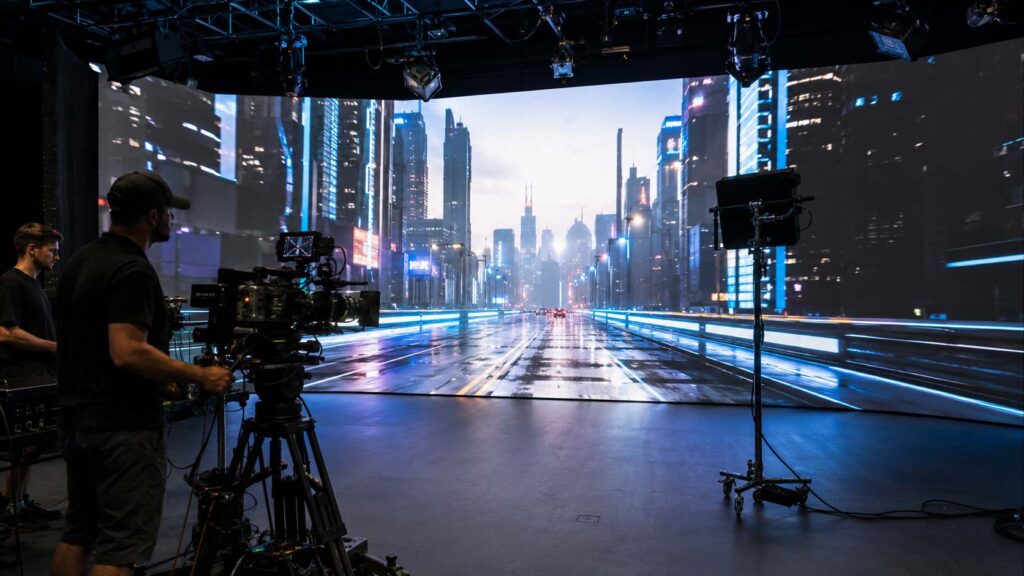
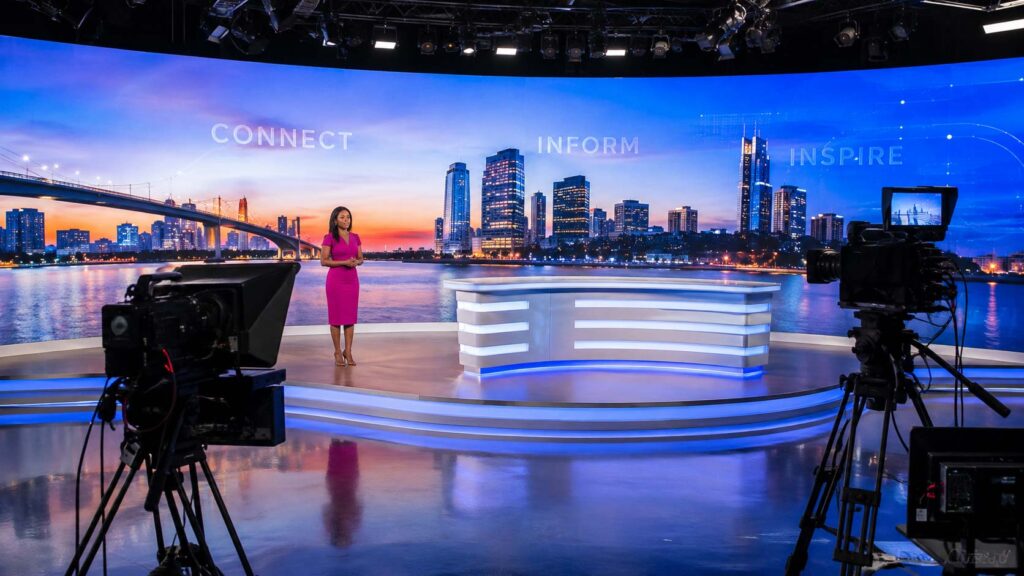
What Makes an LED Panel Camera-Friendly for Broadcast and Virtual Production?

Not every display that looks impressive in person will perform well on camera. In broadcast and virtual production, the recorded image is the real test: color, motion, brightness, and fine detail must remain stable under professional cameras. A live audience may see smooth playback and vivid color while the camera captures flicker, banding, moiré, or exposure

What Makes an LED Panel Camera-Friendly for Broadcast and Virtual Production? Read More »